by Alessandra Feola | Jul 25, 2013 | The Urban Media Lab
A Garden example of collaboration allows people to cultivate themselves.
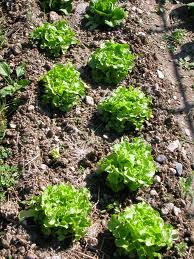
A perfect example of how a project of governance of the Commons has to be realized. In the city of Olbia, in the north-east coast of Sardinia, the collaboration and cooperation of different subjects, starting from the Municipality, the High School Amsicora, the Law Court, passing to the Police, the Civil Protection, the Caritas and also a Recovery community, make possible the creation of a Garden of Solidarity.
The project gives the opportunity for those who have committed an error, generally responsible for a traffic offence, to replace the serving of a sentence in activities socially useful. The Garden, a real farm with a plant nursery, is set in a large plot in the High School “Amsicora”, a place previously not exploited, that the Director Gianluca Corda wanted to return to the community. As we know the school is a public space and must be enjoyed by all the community, not only in the morning for lessons.
Until now there have been sixteen persons in the Garden, men and women of different ages. They have cleared and fenced the land and finally cultivated it with their hands. The products of the Garden are reserved for the Caritas making possible that the soup kitchen has always fresh and genuine products also for disadvantage persons. A chain of solidarity is created: public institutions help those who make mistakes and who makes mistakes helps those in need.
Moreover the project has proved extremely useful for the social reintegration. The persons that have participated often started not very motivated, but at the end they change their life and from the land, with the help of the nature, sometime it is easier to overcome problems like alcoholism or drug addiction.

by Alessandra Feola | Jul 11, 2013 | EducationLabs
Cos’è la Felicità Pubblica? E perché oggi se ne parla in termini di “policy”?
L’attualissimo tema è stato trattato ad un convegno, tenutosi lo scorso 8 luglio a Firenze, dal titolo “Da ora in poi. Per la Felicità Pubblica”, al quale ha partecipato anche il professore Iaione con la relazione “I beni comuni: dalla sussidiarietà alla governance”.
Al termine del dibattito è stato presentato il “Manifesto per la Felicità Pubblica”, in cui si parte dal presupposto che la Felicità, intesa come Scienza del benessere, ha delle radici profonde, nella filosofia, così come nelle altre discipline sociali e psicologiche. La felicità è il benessere delle persone, ecco il messaggio fondamentale. Nel suo intervento il professore Iaione, citando Amartya Sen, precisa come la condizione di non benessere e disagio si determini ogni qualvolta sia negata alla persona la libertà di svilupparsi pienamente, affermando la propria dignità e valorizzando i propri talenti. Passando da una concezione redistributiva ad una procedurale del principio di eguaglianza, diventa chiaro il compito della Repubblica: promuovere le condizioni che rendano effettivi i diritti dei cittadini, in particolare quelli sociali. “Predisporre le condizioni affinché i cittadini, soprattutto quelli di più giovane età, possano liberamente ed individualmente scegliere di assumersi la responsabilità di curare, proteggere e conservare, per tutta la comunità e le generazioni future, i beni comuni può contribuire a realizzare quella “fioritura della persona” che per Sen costituisce il vero fulcro della felicità, l’unico valore da misurare per saggiare il reale benessere di una comunità” sottolinea il professore Iaione.
Le proposte concrete devono avere una visione specifica di uomo e della politica, considerata l’Enorme Assente, che non si occupa di una questione così centrale nella vita della Società: serve,pertanto,un’ottica propositiva e positiva in quanto la Felicità dipende dalla qualità delle relazioni. Il movimento di persone e pensiero, il cui viaggio è iniziato “da ora in poi”, deve creare un team di formatori che incoraggi la capacità di empowerment che possiede ciascun cittadino.
by Alessandra Feola | Jul 7, 2013 | The Urban Media Lab
 More and more Italian companies are involved in the process of maintenance of the Commons. We are witnessing a growing synergy between private companies and public administrations, especially municipalities.
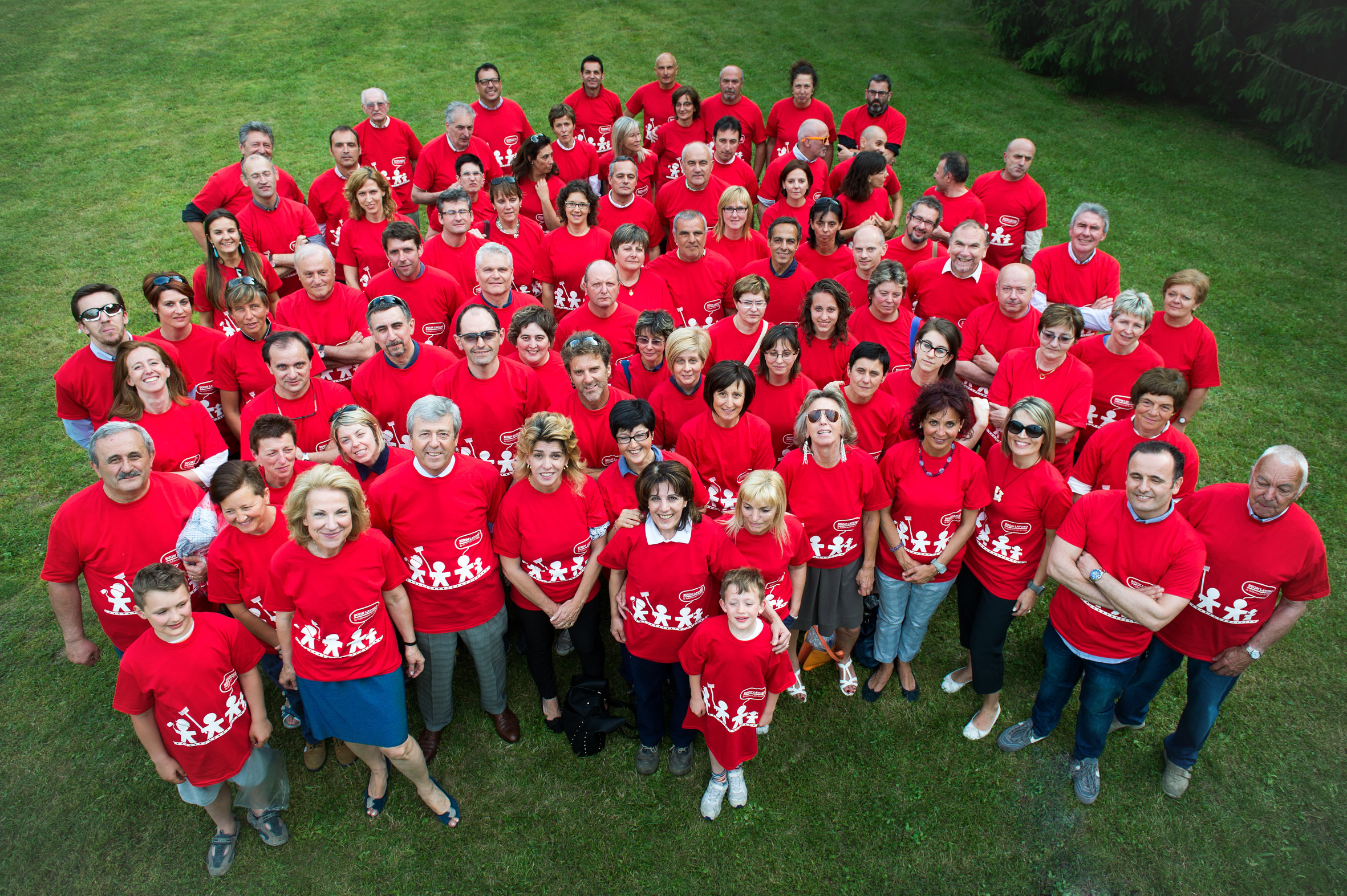
One of the Italian best practices is the initiative of the Alessi Spa that found a solution in order to avoid the use of layoff for employees with its project called “The good work – The factory for the city”. In the period from June to November, 88% of the employees of the famous Italian factory will be engaged in activities of maintenance of the city of Omegna, such as painting the school, routine maintenance of public parks and accompaniment of elderly and children. The initiative involves the Municipality of Omegna and also a Foundation.
As a matter of fact doing business consists in the redistribution of profit through the creation of jobs. Indeed the Italian Constitution in Art. 41 affirms that the economic initiative cannot be conducted in conflict with public weal. In these words we find the true essence of the economy as an activity that takes care of the “house”, in ancient Greek οἶκος, and by extension, to all the things we consider house, such as our city, our territory, our values.
This is an example of how is possible to reconcile the interest of the private companies with the common interest, overcoming the dual approach that sees private and public always divided and opposite. This is also a great example of governance of the Commons: an administrative strategy characterized by the equality, horizontality and openness and that uses no more the classical method of government in which the public administration imposes top-down decisions. In fact, the new solution requires the participation of multiple actors, the coordination and the alliance of subjects that pursue different aims. Only through this method, namely a method of governance, is possible to obtain real, sustainable, innovative and efficient solutions.
by Alessandra Feola | Jul 6, 2013 | EducationLabs
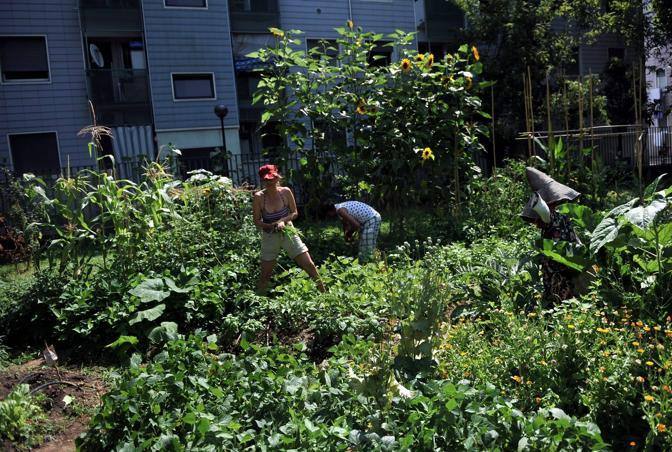
 Città rumorose, piene di smog, caotiche, frenetiche. La necessità di un angolo di paradiso, dove poter rilassarsi, dare spazio a tradizioni ormai perse, ripristinare il rapporto con la natura e soprattutto con la terra, si fa sempre più grande. Avere la possibilità di mangiare ciò che si è coltivati in città sembra impossibile, ma oggi non è più così. Gli orti urbani comuni negli ultimi tempi hanno avuto una larga diffusione, specialmente nelle grandi città, dove appunto la richiesta del verde è sempre maggiore.
Ma cosa vuol dire oggi avere un orto in città? I cittadini hanno la possibilità di coltivare e curare un appezzamento di terreno, i cui frutti saranno mangiati dagli stessi. Un vantaggio economico e non solo. La possibilità di mangiare frutta e ortaggi biologici di cui si conosce la provenienza e la sicurezza non è poco, soprattutto avendoli a portata di mano. Ma da non sottovalutare è anche il senso di comunità che viene a crearsi. I cittadini lavoro insieme al compimento di qualcosa, e questo costruire insieme rende forte una comunità e unita.
E così anche in Italia questi angoli di paradiso hanno iniziato a svilupparsi e diffondersi in tutto il paese. Un esempio nel comune di Milano è quello del quartiere di Giambellino. Qui, precisamente in via Odazio, in mille metri quadri di terreno è stato creato il “GiambellGarden”. In questo modo i cittadini sono riusciti a riabilitare un quartiere e il territorio, rendendo un pezzo della loro città un bene comune e condivisibile.
by Alessandra Feola | Jul 5, 2013 | The Urban Media Lab
 The CGIL[1] reconstructs the dynamics of the main economic aggregates, rebuilding hypothesis of recovery and development for the country.
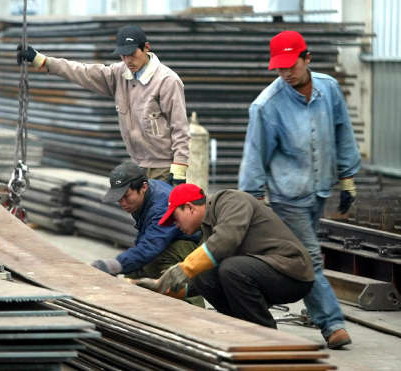
The only solution seems to be the creation of new works to end the crisis. These figures refer to the pre-crisis period to draw up a plan for growth from job creation: analyzing the data that relate to the period 2000-2007 (pre-crisis) it’s possible to note that the average annual rate of change of GDP stood at 1.6% with an average annual growth of the number of units of full-time work of 1.1%. The productivity and fixed investment, however, in the pre-crisis period, grew respectively by 0.5% and 2.5% per year. Since 2008, the GDP began to lose 1.1 percentage point a year, while in 2013 the jobs fell by more than a million and a half compared to 2007. Even the gross wages (-0.1%), productivity (-0.2 %) and investment (-3.6 %) decreased each year. The vision that emerges is daunting: the pre-crisis level of GDP would be recovered only in 2026, while employment rate in 2076. It is clear that, even at best, out of the crisis are still needed time. The road to recovery, therefore, doesn’t seem to be to insist on increasing the competitiveness and growth because it would risk too long and still several years of “social suffering.” To overcome the crisis and recover the growth potential is required a paradigm shift. It is no longer to focus on policies to increase the competitiveness of production costs but on job creation. “The creation of work creates growth, which in turn creates new job”. The CGIL offers strong support to the application through a special plan to direct creation of new jobs, new public and private investment towards innovation and common goods. A plan must be accompanied by a reform of public finance to free up resources in favor of fixed incomes (wages and pensions) and investments. According to the work plan of the CGIL, the pre-crisis level of employment could be recovered in just three years while in four years the level of GDP, productivity and investment. Even more important: the level of average gross annual salary of fact could be recovered even in 2014
[1] CGIL: Italian General Confederation of Labour

 A Garden example of collaboration allows people to cultivate themselves.
