by Staff | Oct 27, 2025 | Event
Progetto GIS
Giovani Innovatori per la Sostenibilità
Il Progetto GIS – “Giovani Innovatori per la Sostenibilità” è un percorso progettuale, formativo e pratico, che intende abilitare studenti dai 18 ai 25 anni nella elaborazione di soluzioni di co-governance urbana e innovazione sostenibile e giusta per la forestazione urbana. II percorso è ibrido (in parte online, in parte in presenza) si articola in quattro moduli di 3 ore, ciascuno dei quali introduce uno specifico ambito tematico.
Modulo 1 – La Co-Governance per l’innovazione sostenibile e giusta – 6 novembre 2025 ore 10:00 (online) – Sarà la prima tappa per familiarizzare con un approccio che introdurrà gli studenti a forme di co-gestione delle infrastrutture sociali ed economiche, materiali ed immateriali, tecnologiche e ambientali, urbane e territoriali attraverso partenariati sociali multiattoriali.
Modulo 2 – Applicare la Co-Governance e l’Innovazione Sostenibile e Giusta alla Forestazione Urbana – 13 novembre 2025 (ibrido – in presenza e online) ore 10:00 – Si entra nel vivo per conoscere due contesti e cominciare a capire come applicare queste nuove forme di partenariato a due contesti reali, con possibile visita ai due cantieri progettuali, ossia il Quartiere Alessandrino a Roma e/o il Comune di Capranica Prenestina.
Modulo 3 – Investimenti e misurazione d’impatto – 20 novembre 2025 (ibrido – in Luiss e online) – Il terzo modulo metterà al centro l’importanza dei modelli di investimento su questi partenariati e della misurazione degli impatti sociali, ambientali, istituzionali e della sostenibilità economica dei medesimi.
Modulo 4 – Mentoring: consolidare, integrare, perfezionare – 27 novembre 2025 – In questa sessione si lavorerà in gruppo con un mentoring esperto per generare e affinare almeno due proposte progettuali per i due cantieri progettuali, integrando i diversi elementi emersi e assicurando la sostenibilità e la governabilità delle soluzioni partenariali suggerite.
Iscrizioni
Il percorso sarà erogato in modalità mista (presenza e online) e includerà almeno una site visit per conoscere le progettualità in corso.
A dicembre saranno previste sessioni di tutoraggio online per perfezionare le proposte progettuali.
Per candidarti compila questo form o invia una mail indicando Nome e Cognome, indirizzo email, istituzione scolastica o universitaria di iscrizione a design@labgov.it entro il 3 novembre 2025, ore 12.00.
by Staff | Sep 18, 2025 | News
LabGov ETS conduce attività di ricerca su politiche pubbliche e modelli di investimento di lungo termine e a impatto per infrastrutture tecnologiche, economiche, sociali, anche in cooperazione con Istituzioni Finanziarie Multilaterali (IFM), Istituzioni Finanziarie per lo Sviluppo (IFS) e Banche Multilaterali di Sviluppo (BMS).
Posizione
Siamo alla ricerca di un part-time Junior Project Manager per il supporto alle seguenti attività:
- gestione della contabilità generale e analitica, comprensiva della predisposizione di report finanziari periodici, bilanci interni e documentazione a supporto delle attività istituzionali e progettuali, in conformità agli standard contabili applicabili agli enti del Terzo Settore;
- elaborazione e redazione della documentazione per la rendicontazione amministrativo-finanziaria di progetti finanziati da enti pubblici e privati, sia a livello nazionale (es. bandi PNRR, MIUR) sia internazionale (es. Horizon Europe, Erasmus+);
- supporto operativo e documentale nella gestione di bandi e procedure di finanziamento, dalla fase di candidatura alla gestione post-finanziamento, inclusa la raccolta e l’archiviazione dei documenti richiesti dagli enti erogatori;
- adempimento degli obblighi burocratico-amministrativi relativi alla gestione ordinaria dell’ente (es. comunicazioni con Registro Unico del Terzo Settore, Agenzia delle Entrate, INPS), garantendo il rispetto delle normative vigenti;
- supporto amministrativo e progettuale allo svolgimento, gestione e coordinamento dei progetti di ricerca, con inter alia attività di produzione, raccolta e monitoraggio documentale, aggiornamento dei cronoprogrammi, verifica dell’allocazione delle risorse, supporto amministrativo e logistico alle attività dei gruppi di progetto, interfaccia con i partner di progetto;
- supporto nella gestione della partecipazioni societarie, attraverso il monitoraggio delle attività condivise, la eventuale predisposizione di documentazione amministrativa e finanziaria, l’assolvimento degli adempimenti contrattuali derivanti dalla partecipazione, l’eventuale esercizio della delega conferita dal legale rappresentante a partecipare agli organi sociali, l’interazione con i rappresentanti e soci delle società per garantire l’allineamento tra le attività della società con gli obiettivi statutari dell’ente;
- redazione e gestione dei contratti di collaborazione, inclusa la predisposizione dei mandati, delle lettere d’incarico e degli atti connessi alla remunerazione dei collaboratori esterni;
- comunicazione e interfaccia con consulenti esterni (fiscali, contabili, legali, scientifici) e con gli uffici amministrativi delle università o di altri enti coinvolti, per finalità connesse a rendicontazioni, verifiche contabili, o altri adempimenti specifici;
- gestione operativa degli strumenti digitali utilizzati per finalità amministrative, tra cui Aruba (firma digitale e PEC), Fatture in Cloud (fatturazione elettronica), Dropbox e Google Drive (archiviazione documentale condivisa);
- gestione completa dei rimborsi spese attivi e passivi, inclusa la raccolta della documentazione giustificativa, il controllo della conformità alle policy progettuali e la predisposizione dei flussi di pagamento.
Requisiti:
- Laurea (almeno triennale) nel campo delle scienze economiche, finanziarie, aziendali
- Ottima conoscenza di software di pianificazione finanziaria e buona conoscenza di strumenti di ricerca quantitativa
- Capacità di coordinamento e project management, con particolare riferimento ad attività di europrogettazione (grant proposal drafting e gestione)
- Ottime capacità comunicative e relazionali
- Ottima conoscenza dell’inglese, scritto e parlato.
Compenso: da definire in base al livello delle competenze e alla formula contrattuale.
Durata: gennaio 2026 – dicembre 2026
Se sei interessato/a alla posizione, invia il tuo CV, una lettera di motivazione e un certificato degli esami universitari a presidenza@labgov.it

by Staff | Sep 16, 2025 | PUI - Santa Maria della Pietà
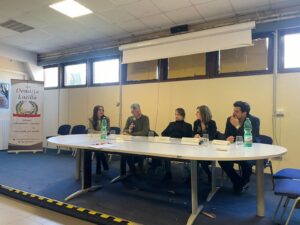
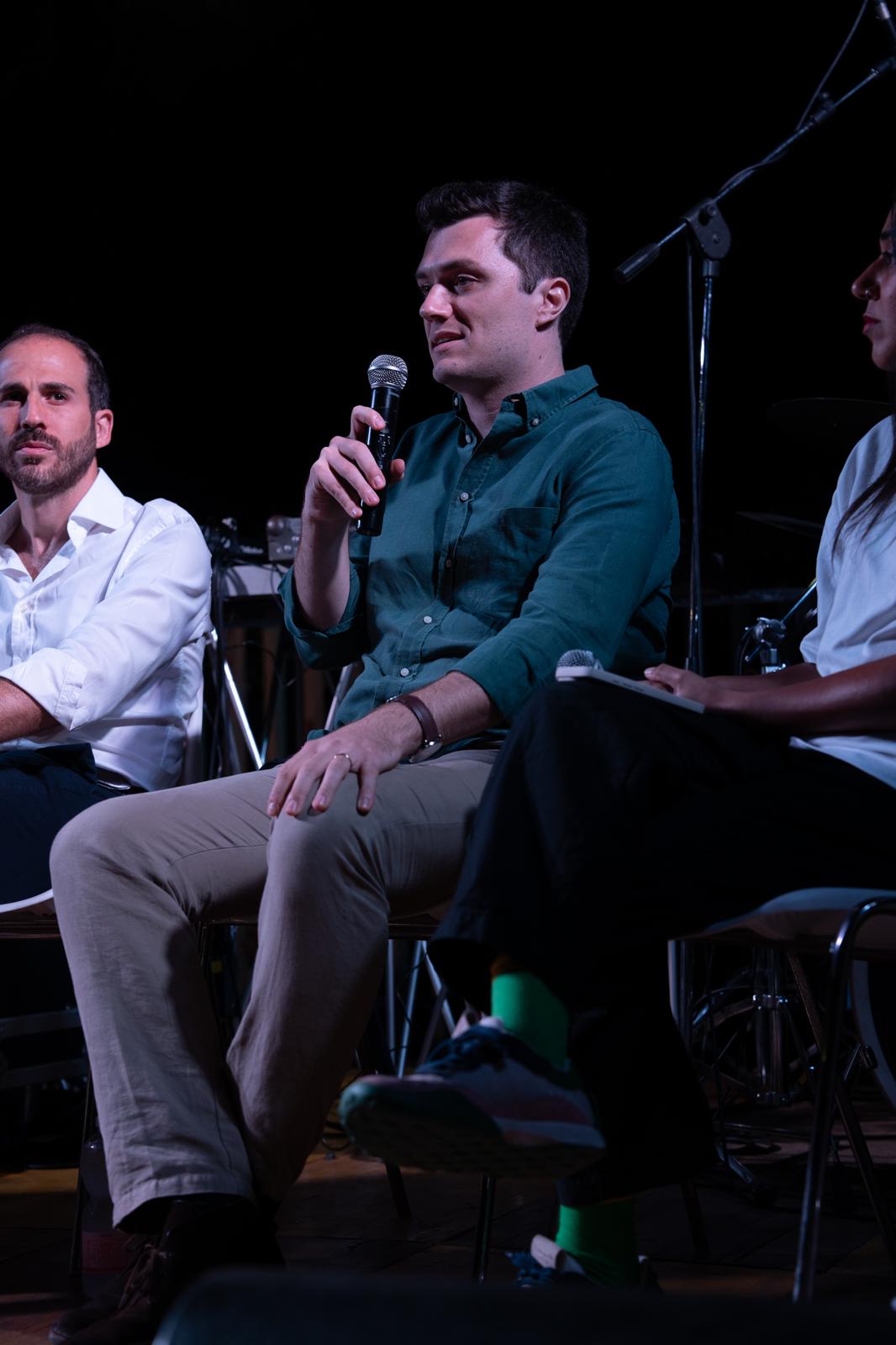
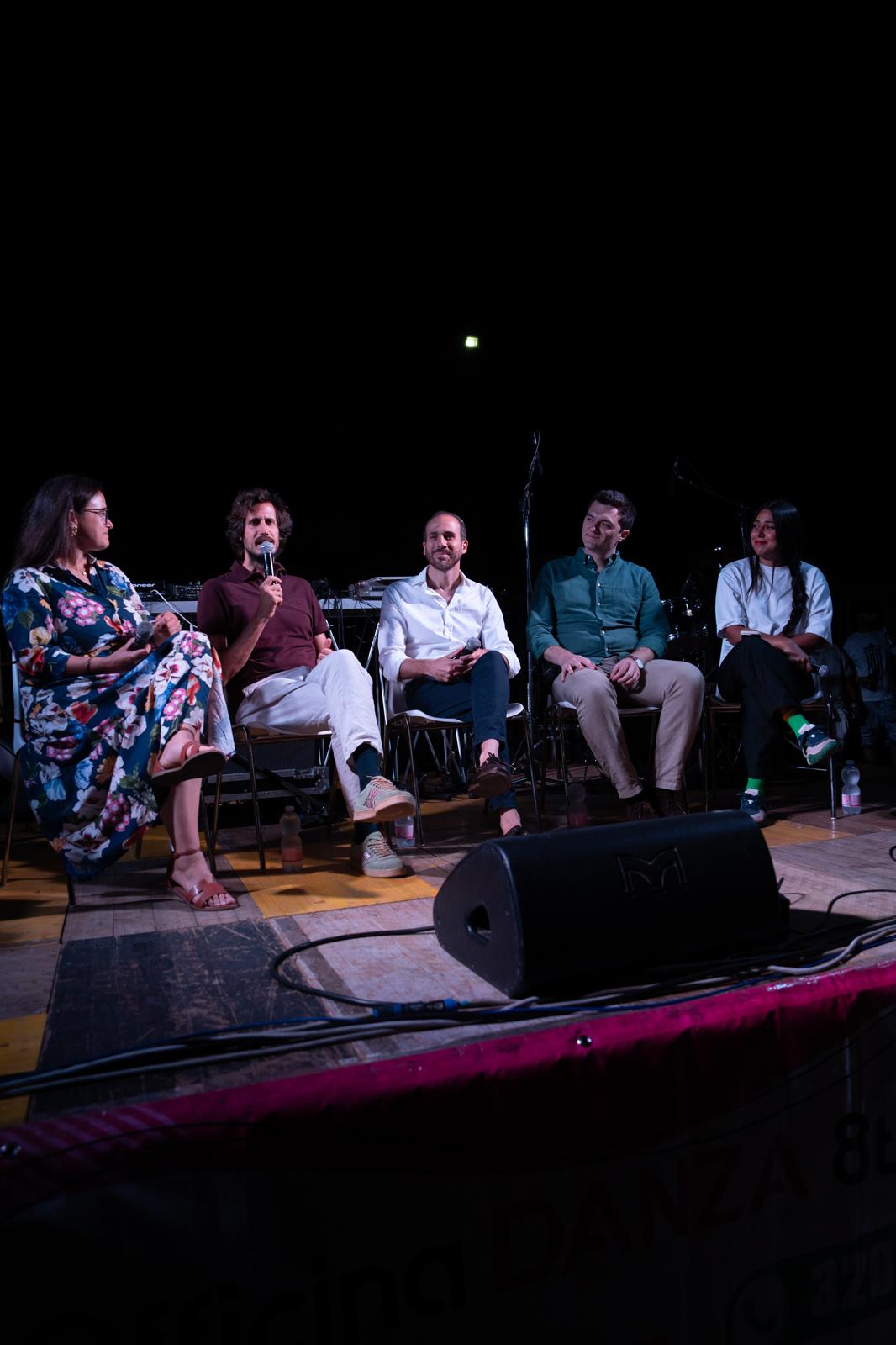
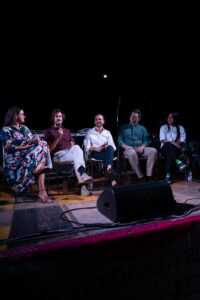
From 4 to 7 September 2025, the fourth edition of the Cous Cous Unplugged festival took place in the parking area of the P. Neruda School Complex (Via di Casal del Marmo 216, 00135 Rome).
The initiative, promoted by Roma Capitale – Department of Culture, was awarded under the Call “Roma Creativa 365. Culture All Year Round”, in collaboration with Zètema Progetto Cultura and with the support of the Charlemagne Foundation.
Marco Della Porta (President of Municipality XIV) illustrated the role of the municipal administration in culture-based urban regeneration projects, aimed at transforming urban areas into a large public agora. The neighborhoods of Ottavia and Palmarola, indeed, have never had such a space, having developed spontaneously and without prior urban planning.
Davide Dose (Cous Cous Unplugged) highlighted the energy and positive outcomes achieved by the festival over the years, which has fostered new connections and brought renewed vitality to the local community.
Tullia Valeria Di Giacomo (Researcher in Urban Planning at Sapienza University of Rome) presented the depaving and micro-forestation project implemented at the Pablo Neruda School, where approximately 100 square meters of pavement were removed to create two large flowerbeds, designed to accommodate around 200 specimens of native plant species.
Adriano Contardi (PhD candidate in Law and Business at Luiss Guido Carli University) described the activities undertaken within the Neighborhood Laboratories, as part of Roma Capitale’s Integrated Urban Plan at Santa Maria della Pietà.

by Staff | Apr 30, 2025 | News, PUI - Santa Maria della Pietà
On April 29, 2025, the Luiss – Labgov Team for the immaterial valorisation of the Santa Maria della Pietà complex met at the Co.bra.gor headquarters, The pupils of the elementary and middle classes of the Istituto Comprensivo Paolo Stefanelli and the students of the hotel and agricultural branch of the Domizia Lucilla higher education Institute (IIS), as well as the students of LUISS GrinLab and the course “Innovation and sustainable development law and policy”. The students were joined by the principal of the project, Prof. Christian Iaione, the President of the 14th Municipality, Marco della Porta, and the vice-president Enrico Sabri and the councillor for Educational and School Policies, Claudia Salerno. At approximately 9.30 am, the groups began visiting the territories managed by Co.bra.gor with Emanuele Manta illustrating the sustainable agricultural practices implemented by the Cooperative, focusing on the different types of crops and the specific characteristics of the territory, also highlighting the benefits of beekeeping carried out on site. The group was also able to access an Etruscan tunnel. At approximately 11:00 am, the group benefited from refreshments with organic fruit juices, bread and oil produced by the Cooperative.
Around 11.30 am, Michele Mansi from the Historical Ortisti Cooperative led the group to the Fosso delle Campanelle, bringing attention to the valley’s history adjacent to the SMdP and its future prospects in the path aimed at creating the largest urban vegetable garden in Europe. The visit ended around 12.30 pm.

by Staff | Apr 28, 2025 | PUI - Santa Maria della Pietà
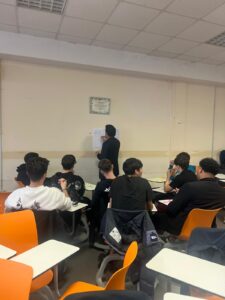
On January 23, 2025, researchers from LUISS Guido Carli University and Labgov ETS (Dr. Allegra Eusebio and Rubina Michela Galeotti, as well as Dr. Mario Manna, Antonio Persico and Flavio Petrocelli) met with students from the Domizia Lucilla Institute to promote the co-design of an innovative bioeconomy laboratory in the Santa Maria della Pietà Complex (SMdP). The initiative is part of the Integrated Urban Plan (UI), funded with resources from the PNRR, to redevelop the SMdP area. The initiative aims to promote awareness of the area’s potential value and stimulate innovative and sustainable ideas for value creation, while respecting its strong healthcare vocation.
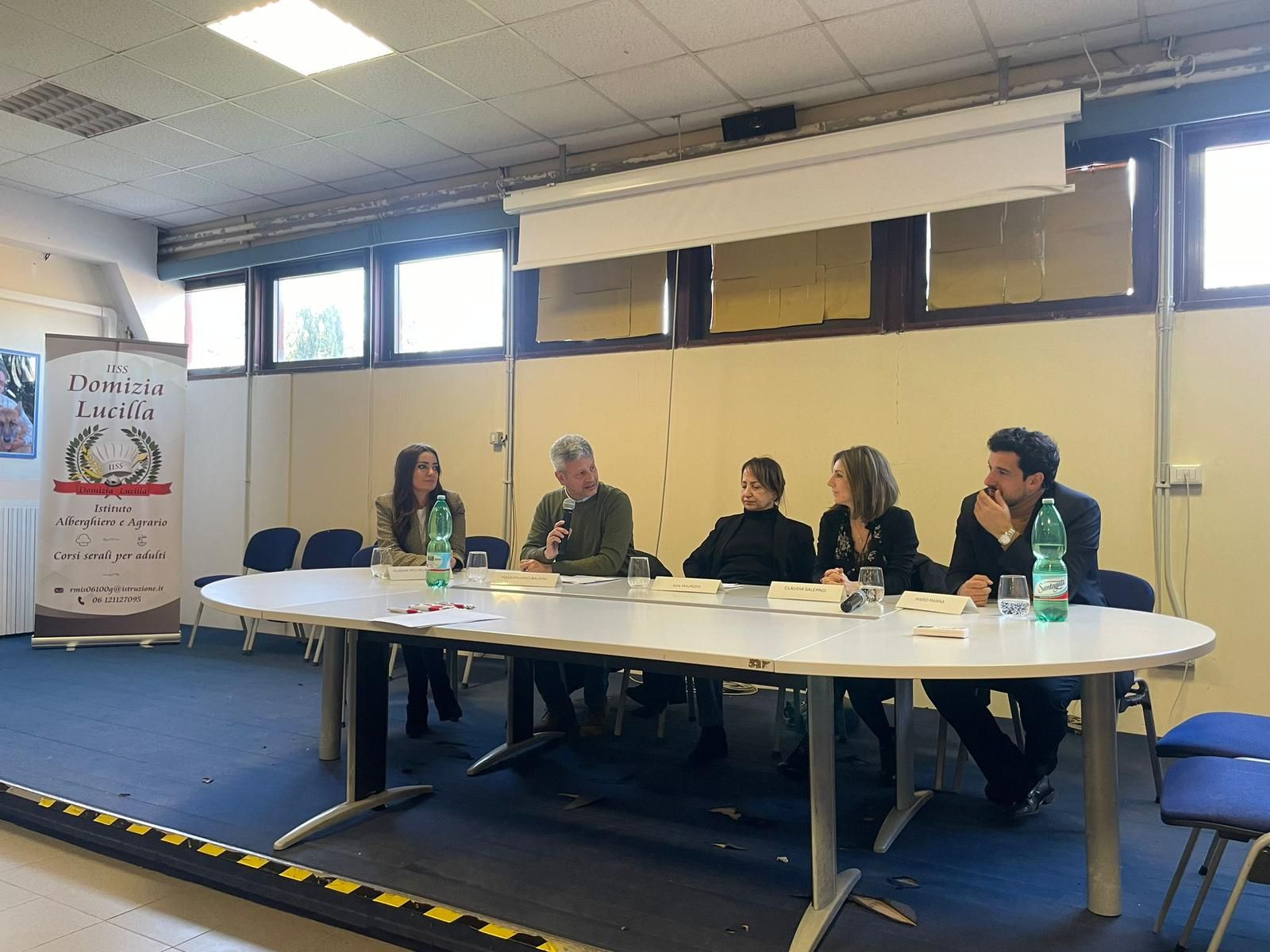
The event was held at the institute’s main hall (a short distance from the SMdP), and dozens of students from the agricultural and hospitality departments participated.
As per methodological protocol, institutional greetings and speeches occurred at about 10:00 am. Headmistress Ada Maurizio welcomed the guests, urging active participation in co-design. This was followed by the intervention of Dr. Massimiliano Baldini, representing the Urban Planning Department of Roma Capitale, who explained the characteristics and opportunities of the plan for the regeneration of the SMDP. The subsequent speech by Dr. Claudia Salerno, councillor for educational and school policies of the XIV Municipality, highlighted the importance of students’ involvement in the co-design activity in order to develop creative, innovative and shared solutions.
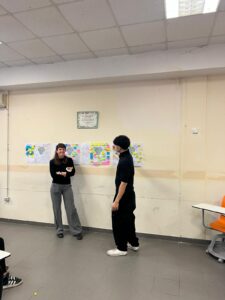
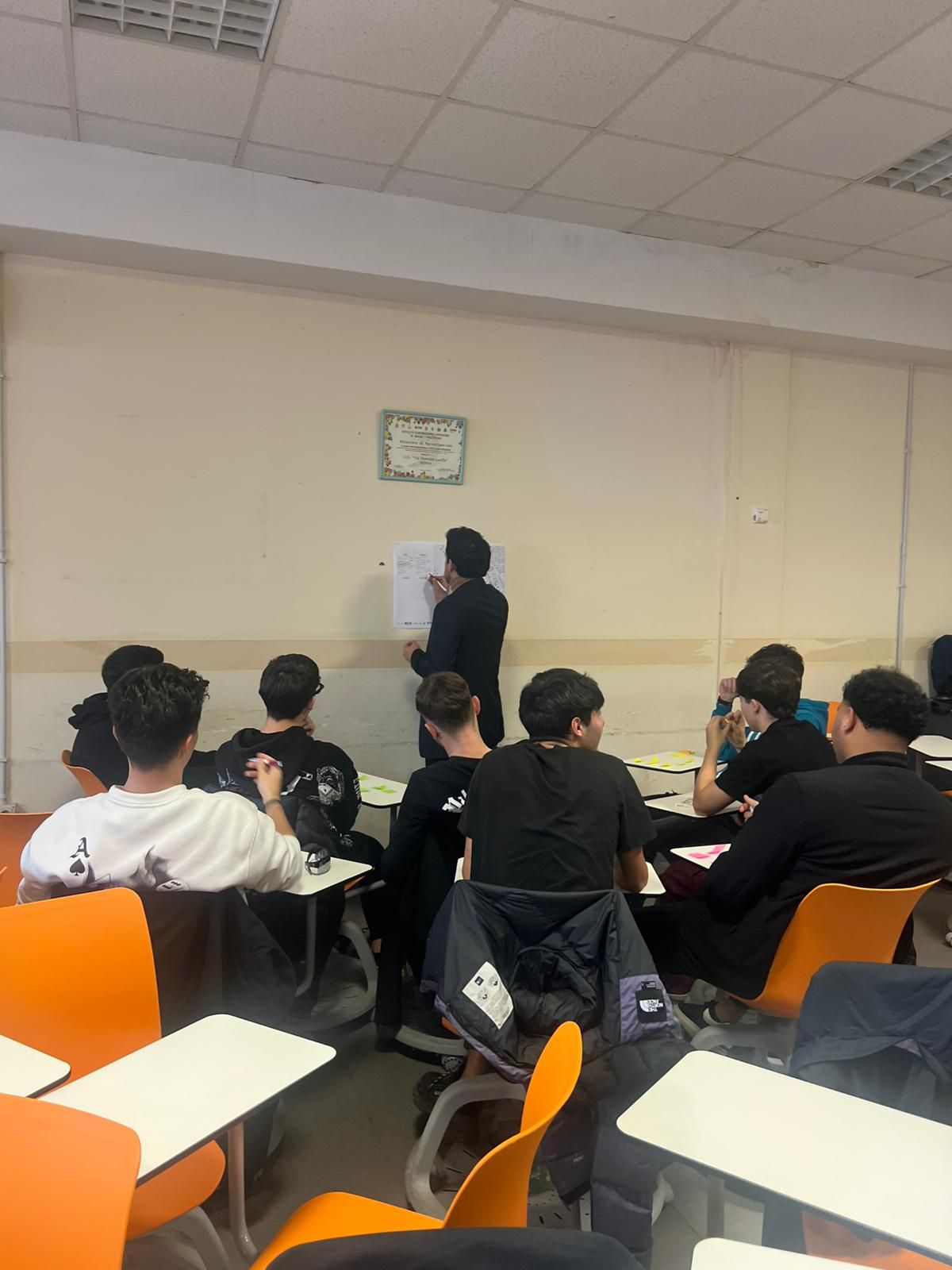
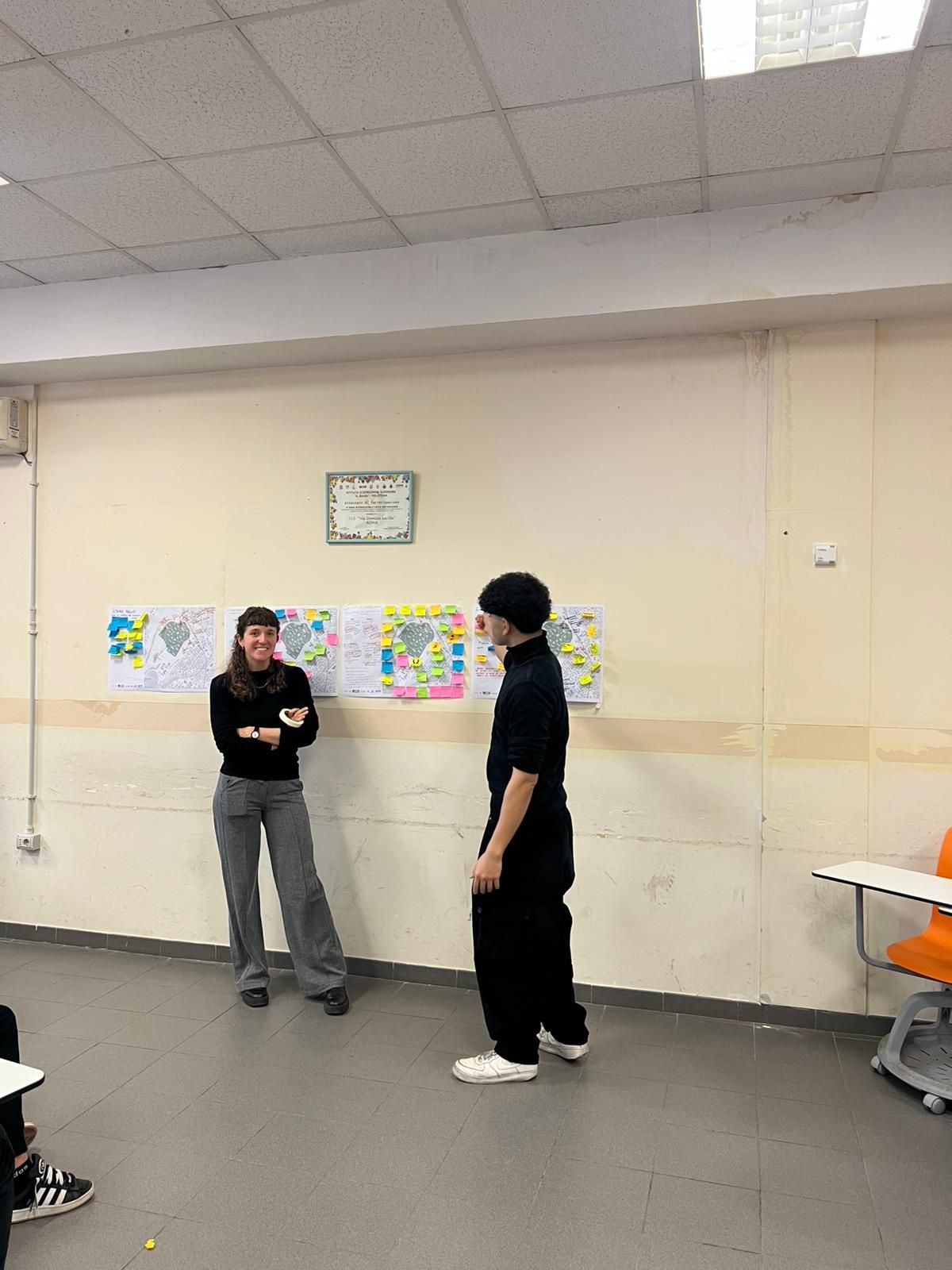
The co-design activity then began, and students split into four groups, which chose expressive names: “the Avengers of Santa Maria della Pietà,” “Generation Z,” “Mind,” and “the Visionaries.” Each group’s work was coordinated by at least one researcher who stimulated the students’ brainstorming activity. The discussion was fruitful, and ideas and proposals revolved around food, culture, health, and sports. The groups were provided with post-it notes, markers, and an A2 sheet bearing a map of the SMDP and neighbouring areas, with the opportunity to represent graphically ideas related to possible uses of the SMDP.
The group work yielded multiple proposals, often fulfilling at least two of the needs related to the above dimensions. Among the many, we can mention the idea of organising cooking workshops under the banner of interculturality, meeting and listening groups for people with special needs, the creation of a garden for growing herbs and spices, the removal of architectural barriers, and the creation of spaces for sociability and conviviality, including for the enjoyment of cultural and sports events. All this emerged in the final phase of the return of the proposals, which took place in the presence of Dr. Baldini, Dr. Salerno and the Institute’s teachers, in which each group, introduced by the reference researcher, represented by at least one student volunteer, exhibited the proposals developed, which, in summary, enhance the multifunctionality of the complex, promoting sociality, inclusion, psycho-physical well-being and sustainability.