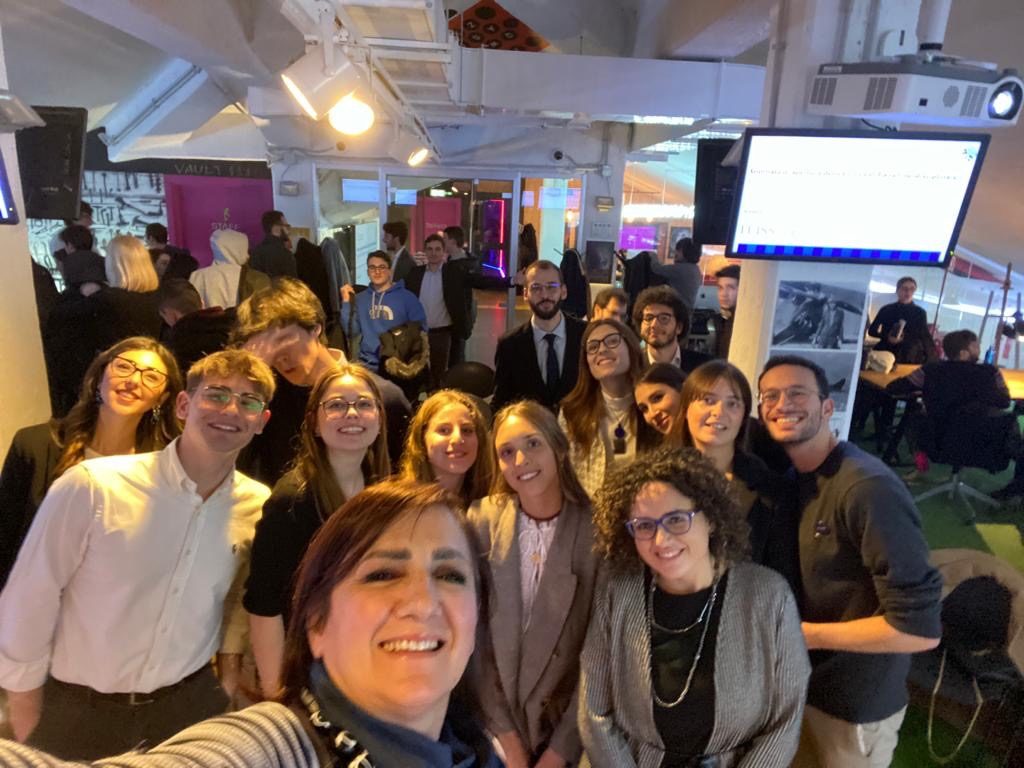
On Friday 21th and Saturday 22th the students of the Urban Clinic Edu LabGov 2020 participated to the first workshop and co-working. The main goal of the meeting was to deepen the knowledge about an “Open and Collaborative Innovation” methodology that is lately gaining popularity.
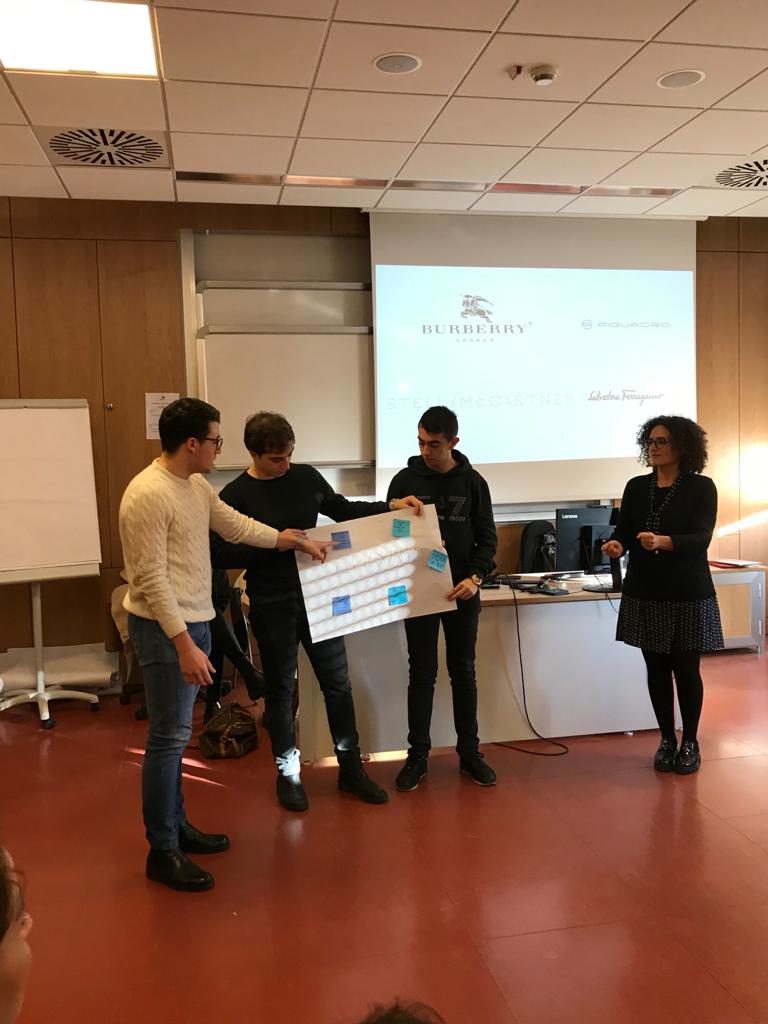
On Friday, Professor Maria Isabella Leone, Director of the master in Open Innovation and IP at Luiss Business School, carried an interactive lesson, successfully involving students in a reasoning process, instead of flooding them with theoretical knowledge which hardly manages to capture students’ interest. The laboratory was based on the analysis of the innovative aspects and strategies of noted fashion brands, namely Ferragamo, Burberry, Piquadro and Stella McCartney and than investigate for business models of companies whose main scope is to revolutionize their activity and differentiate themselves from competitors. The students brought out interesting elements that were a source of reflection for the work they carried out the following day.
What emerged as a common trend is the transformation of waste materials into renewable resources so to create new fibres at low environmental impact. What has been stressed even more is that “Open Innovation” implies collaboration with actors coming from different realities, namely stat-ups, universities, customers, tech industries, incubators, consortia, spin-offs, industries and so on. This means there has to be trust in partnerships but whenever there is a common scope, the collaboration is more prone to be successful and consequentially improve the revenues of all participating actors.
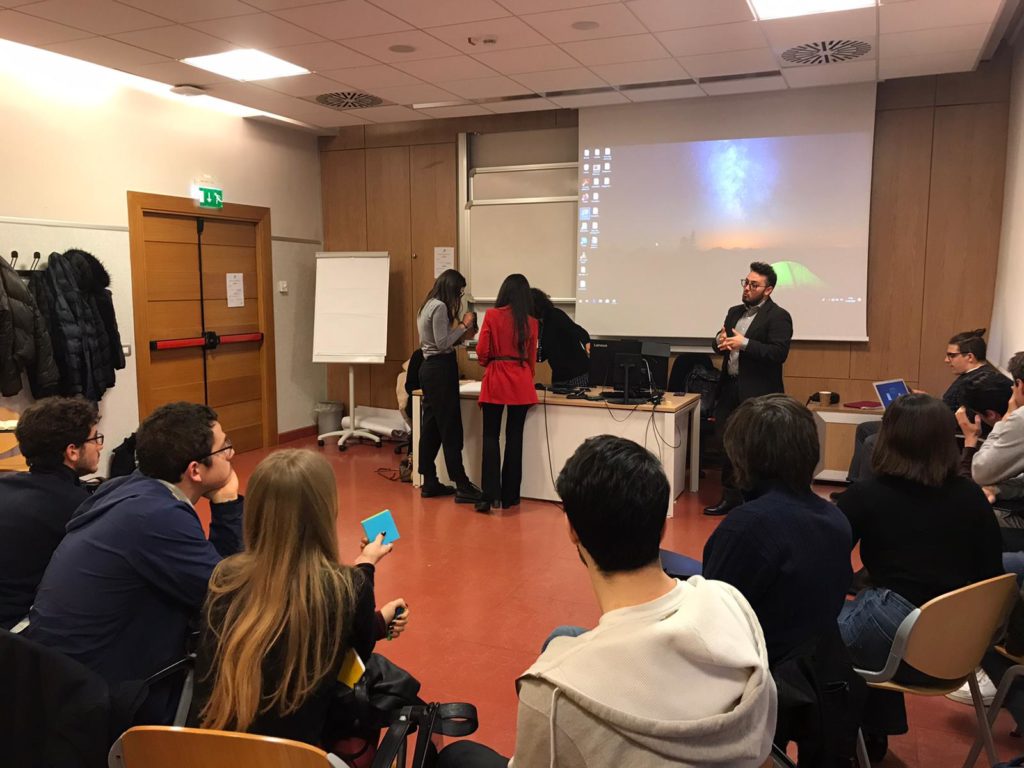
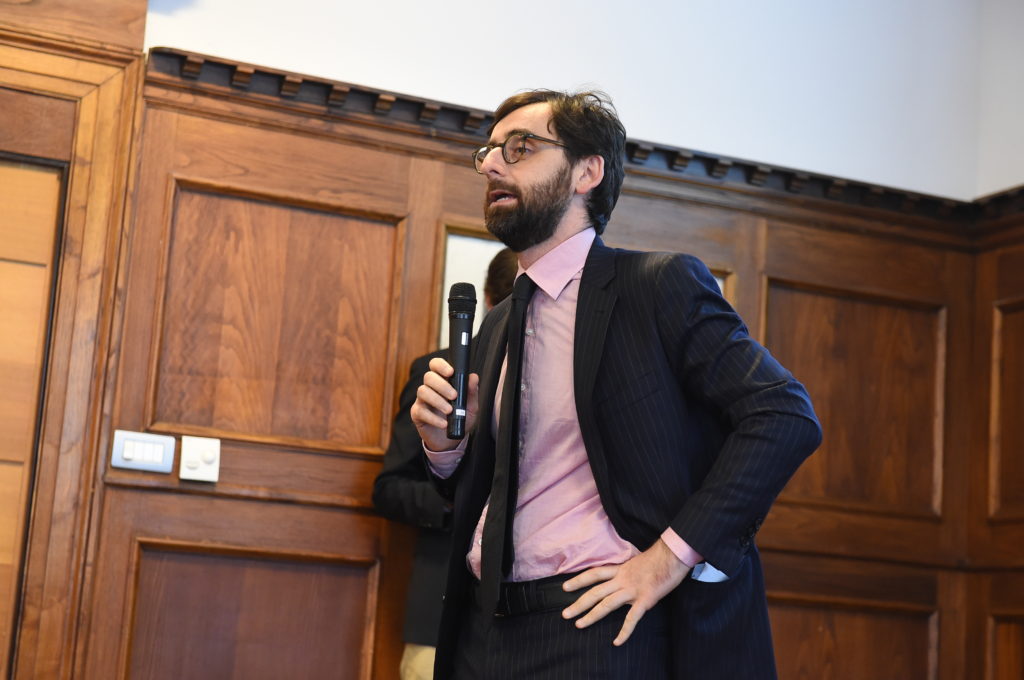
The following day, Alessandro Piperno, PhD student in management at Luiss, exposed what a social enterprises is and how to help communities grow and develop in an urban context. After a brief talk about some important social enterprises like 4ocean, Made in Carcere, Patagonia, and Progetto Quid, students were inspired enough to propose some of their ideas in a process of brainstorming so to come up with three specific ideas to analyse more in detail for the next meeting. The laboratory’s outcome was an important step forward to understand new trends based on upcycle sustainable fashion and circular economy.
Next meeting will be on Friday 28th with the workshop “Entrepreneurship” held by prof. Alessandro Cavallo and Saturday 29th with the co-working “Building a social enterprise” in which EDU 2020 tutors together with a jury of experts will listen to LabGovers’ pitch on their design idea. The laboratory will be an occasion for students to test their ideas and get a feedback from experts in the field so to continue shaping their ideas and let the project evolve throughout the laboratory.
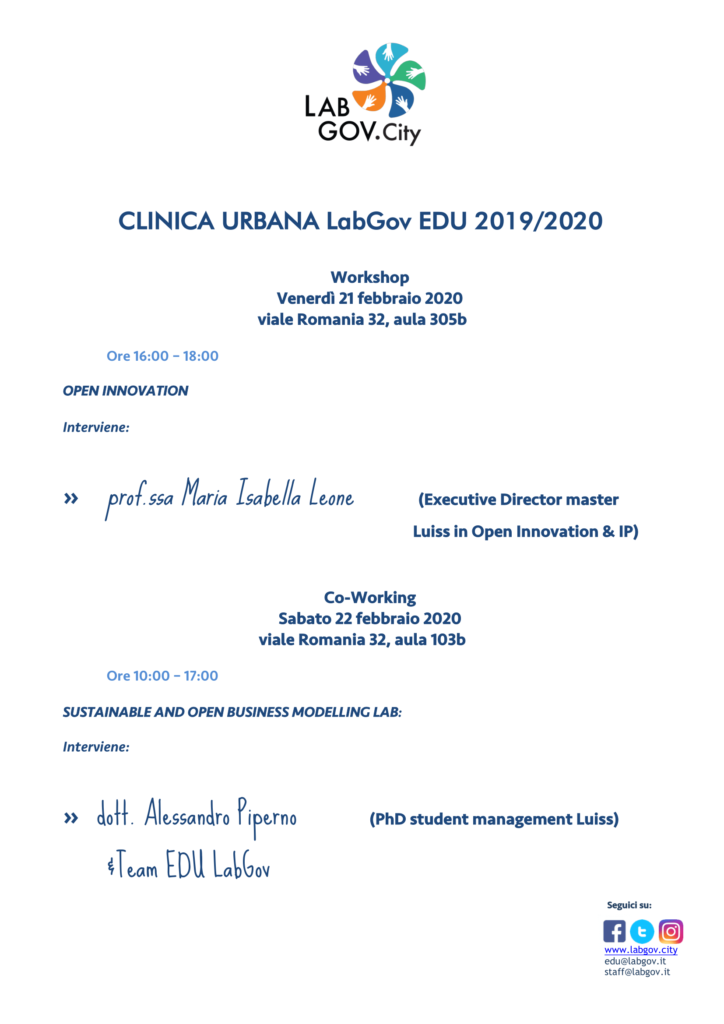
The first module will be dedicated to Open Innovation and Open Business modeling.
On Friday the 21st the
first workshop will take place in classroom 305b from 4pm to 6pm in the Luiss
campus located at Viale Romania 32.
The Urban Clinic will host Maria Isabella Leone, professor at the
department of Business and Management and executive director of the master in
Open Innovation and Intellectual Property. As an expert in open innovation she
will analyze some examples of firms that successfully adopted approaches based
on open innovation. This workshop will provide students many insights to
stimulate their creativity so to come up with some ideas to tackle our
challenge.
On Saturday the 22nd the firs co-working session will take place in classroom 103b from 10am to 5pm at the Luiss campus located in Viale Romania 32.
The Urban Clinic will host Alessandro Piperno, Luiss PhD student in Management. During the co-working session, the students will be divided into three groups, each group has to develop an idea’s proposal able to overcome our challenge. Every group will then present its idea to the rest of the students and work on a power point presentation to redefine it and analyze in depth the topic. Once the idea generation process will be gone underway, Alessendro Piperno will explain to students the basic notions to carry out a business model so to provide students with practical skills that will help them turn their ideas into reality.
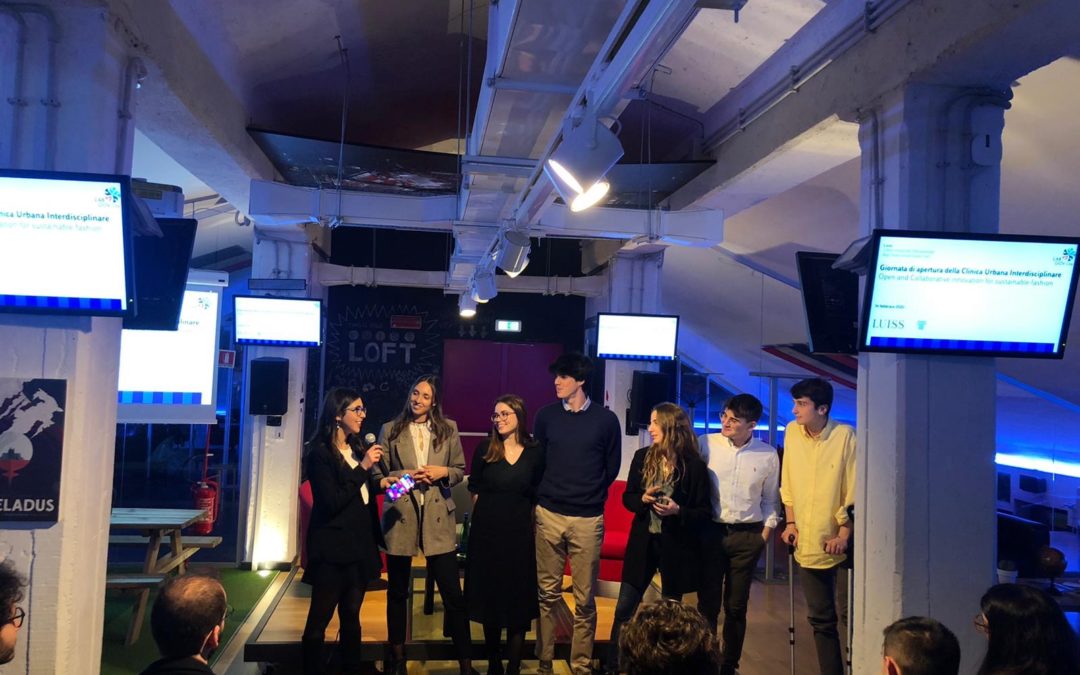
On Friday, February 14th, the opening meeting of the LabGov 2020 Interdisciplinary Urban Clinic took place at the LOFT of the Luiss Guido Carli University .
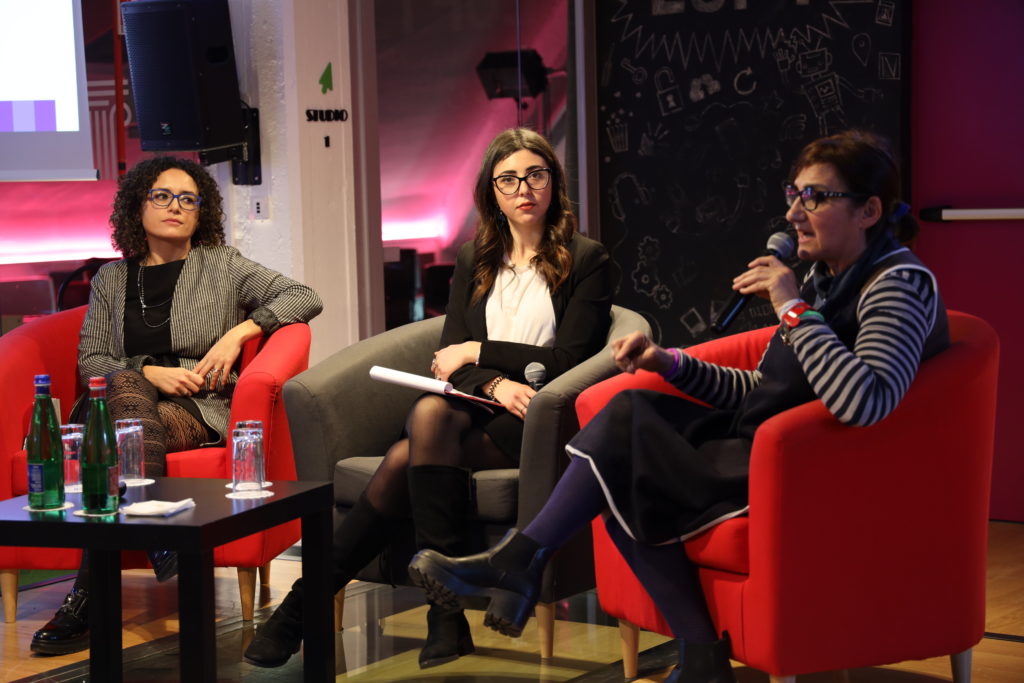
The theme of the meeting was the Open and Collaborative Innovation for Sustainable Fashion and we had the honor to host the Luiss General Manager, Giovanni Lo Storto, Professor Maria Isabella Leone, Executive Director of the Master in Open Innovation & Intellectual Property at Luiss Business School and Dr. Luciana Delle Donne, founder and CEO of Made in Carcere.
Credits to Luiss Loft
The first part of the meeting was dedicated to the LabGov.City team presentation to the students with a focus on the projects carried out so far and the future goals that will see them involved. It was Dr. Lo Storto who welcomed the new LabGovers (the students of the Urban Clinic) and recalled the true meaning of the word “sustainability” that means awareness and coherence and sustain in the sense of creating and sustaining long lasting beauty. LabGov represents this kind of support as well as the exact edge of the role that a university and a training place should have in empowering students to the value of preserving the planet, the value of physical work, the respect for the city and the maintenance of public heritage with the final scope to train not only technicians but good citizens.
The meeting continued with an informal talk between Professor Maria Isabella Leone and Dr Luciana Delle Donne: with them we have combined both the theoretical and practical approach. In particular, Prof Leone highlighted the importance for a company to adopt Open Innovation’s methodology to be competitive in the market and improve the resilience of an enterprise. The real challenge, prof Leone points out, is to transform an Open Innovation methodology into concrete results by creating new business models that have a positive economic and social impact. Together with Dr. Luciana Delle Donne, we observed how innovative and sustainable social enterprises can be generated, involving fragile communities. Luciana told us her story, in particular her “second life” when after twenty years of employment in the world of finance she decided to devote herself to social entrepreneurship: in 2007 the brand “Made In Carcere” was born. The project aims to generate awareness and responsibility by including the inmates of Lecce prison in a dynamic process that gives them a job, a salary and above all the ability to face the world once their detention is over. The real challenge in social innovation is to go against the general trend because habits and mentality are the hardest thing to change.
The second phase of the meeting witnessed the presentation of numerous initiatives that will be invited to cooperate in the Urban Clinic, including the project of Francesco Malitesta and Edoardo Croce creators of the Artwear Lab “X-novo”, a roman start-up based on the exchange and reuse of garments that involves the participation of roman street artists. Flavia Romei told us about her atelier at Pigneto “Cheap Lobster” which creates tailor-made skirts with a mix of fabrics from textile scraps coming from fashion industries.
Finally, during the Magic City, the Christmas market promoted by Luiss, LabGov collaborated with Viving, a local NGO, and Young Ethos, a group of students of the Luiss Business School, to create a collection point of used clothes in order to donate them, regenerate and reuse them.
Claudia Chimenti, President of Viving and Beatrice Signoretti and Jacopo Ventura representing Young Ethos, told us about the evolution of Magic City. A part of these garments will be regenerated during the Urban Clinic thanks to the collaboration of several actors.
Next appointment on February 21st with the first module “Idea Generation Lab” and the workshop on the theme of “Open Innovation” presented by Prof. Leone, and the co-working with Dr. Alessandro Piperno on “Sustainable and Open Business Modelling Lab”. It will be a key moment to pique students’ interest, unite the Edu LabGov 2020 community and find the starting point from which to start a co-design process.
Nella giornata di Venerdì 14 Febbraio si è svolto l’incontro di apertura della Clinica Urbana Interdisciplinare di LabGov 2020 presso il LOFT dell’Università Luiss Guido Carli.
Durante l’apertura dell’ottava edizione della Clinica Urbana abbiamo approfondito il tema dell’Open and Collaborative Innovation for Sustainable Fashion. Abbiamo avuto l’onore di ospitare non solo il Direttore Generale, Giovanni Lo Storto ma anche la professoressa Maria Isabella Leone, Executive Directore del Master in Open Innovation & Intellectual Property presso la Luiss Business School e la dottoressa Luciana Delle Donne, fondatrice e CEO di Made in Carcere.
Credits to Luiss Loft
La prima parte dell’incontro è stata dedicata alla presentazione di LabGov.City agli studenti della Clinica Urbana 2020 con un focus sui progetti svolti sin ora e gli obiettivi futuri che li vedranno coinvolti. Ma a dare il benvenuto ai nuovi LabGovers (gli studenti della Clinica Urbana) è stato proprio il dottor Lo Storto che ha ricordato il vero significato della parola “sostenibilità” che, sottintendendo i requisiti di consapevolezza e di coerenza, aggiunge l’elemento di “sostegno” e della durevolezza che crea bellezza. LabGov rappresenta tale sostegno nonché la punta esatta del ruolo avanzato che una università e un luogo di formazione dovrebbero avere per responsabilizzare i ragazzi al valore del rispetto dei luoghi in cui si vive. Il valore del lavoro fisico e del rimboccarsi le maniche, il rispetto della città e il mantenimento del patrimonio pubblico, se assunti anche nei luoghi di formazione, aiutano a formare non solo tecnici ma anche buoni cittadini..
Dopodiché l’incontro è proseguito con una discussione informale tra la professoressa Maria Isabella Leone e la dottoressa Luciana Delle Donne: con loro abbiamo coniugato sia l’approccio teorico e di ricerca sia un’approccio pratico con l’esempio di Made in Carcere. In particolare, la professoressa Leone ha fatto emergere l’importanza per un’azienda di utilizzare la metodologia di Open Innovation per essere competitivi sul mercato e per migliorare la resilienza dell’impresa stessa. La vera sfida, ha sottolineato la professoressa Leone, è trasformare una metodologia di Open Innovation in risultati concreti creando nuovi modelli di business che abbiano un impatto positivo sia economico che sociale. Insieme alla dottoressa Luciana Delle Donne abbiamo visto come si possono generare imprese sociali innovative e sostenibili, coinvolgendo e rendendo protagoniste comunità con fragilità. Luciana ci ha raccontato la sua storia, in particolare la sua “seconda vita” quando dopo venti anni di impiego nel mondo della finanza ha deciso di dedicarsi all’imprenditorialità sociale: nasce così il brand “Made In Carcere”. Il progetto mira a generare consapevolezza e responsabilità, inserendo le detenute del carcere di Lecce in un processo dinamico che conferisce loro un lavoro, uno stipendio e soprattutto la capacità di affrontare il mondo una volta terminata la loro detenzione. La vera sfida nell’innovazione sociale è andare controcorrente perché le abitudini e la mentalità sono la cosa più difficile da cambiare.
La seconda fase dell’incontro ha visto la presentazione di numerose iniziative che potranno creare sinergie con gli studenti della Clinica Urbana, tra cui il progetto di Francesco Malitesta e Edoardo Croce creatori del Artwear Lab X Novo, una startup romana sullo scambio e riutilizzo di capi che conta la collaborazione di street artist romani. Flavia Romei ci ha raccontato del suo atelier al Pigneto “Cheap Lobster” che crea gonne su misura con mix di stoffe provenienti da scarti tessili di aziende di moda.
Infine, durante la Magic City, il mercatino promosso dalla Luiss nel periodo di Natale, LabGov ha collaborato con l’Associazione Viving del II Municipio e Young Ethos, un gruppo di studenti della Luiss Business School, per creare un punto di raccolta di abiti usati col fine di donarli, rigenerarli e riutilizzarli. Sono dunque intervenute Claudia Chimenti presidente dell’associazione Viving e Beatrice Signoretti e Jacopo Ventura in rappresentanza di Young Ethos per raccontarci l’evoluzione della Magic City e come parte di questi capi verranno rigenerati durante la Clinica Urbana grazie alla collaborazione di diversi attori e professionalità.
Prossimo appuntamento Venerdì 21 Febbraio con il primo modulo “Idea Generation Lab” e il workshop sul tema dell’Open Innovation curato dalla Professoressa Leone, e il 22 Febbraio per il co-working “Sustainable and Open Business Modelling Lab” con il dottor Alessandro Piperno, PhD Student di Management Luiss. Sarà un momento fondamentale per suscitare l’interesse degli studenti e unire la community Edu LabGov 2020 nonché trovare il punto di partenza da cui avviare un processo di co-progettazione.
Martedì 4 giugno si è tenuto l’evento di presentazione dell’idea progettuale prototipata dagli studenti della Clinica Urbana EDU@LabGov A.A 2018/2019 (i LabGovers) presso l’Università Luiss Guido Carli.
L’evento, che ha preso luogo all’interno del Festival Sviluppo Sostenibile promosso da ASviS – Alleanza Italiana per lo Sviluppo Sostenibile, si è tenuto nell’aula Toti del campus Luiss di viale Romania gremita di studenti, docenti e personale Luiss. I LabGovers e il team di LabGov hanno presentato l’idea progettuale sviluppata in questi mesi di Clinica Urbana: l’orto digitale e la piattaforma GrInn.City – GRowing sustainable INNovation.
Scopo dell’idea progettuale è avvicinare sempre più agricoltura e città, riconnettendo il contesto urbano a discorsi propri della tradizione mediterranea e italiana, quali modelli di agricoltura e alimentazione sani e consapevoli. Inoltre l’idea progettuale mira a scoprire come si vive e consuma nelle città e nei quartieri, a partire dalle aree urbane più complesse, per creare un big data sui temi in oggetto al progetto (alimentazione, stile di vita, benessere circolare, consapevolezza).
L’orto digitale coniuga temi come sostenibilità, innovazione, agricoltura urbana, orti urbani in una struttura mobile pensata per le università, le aziende e i centri urbani.
Ogni struttura è dotata di un pannello solare che garantisce energia sostenibile, di prese di corrente e di connessione Wifi. L’idea dell’orto digitale intende avvicinare le persone a temi estremamente attuali e, per questo motivo, ogni struttura è dotata di un QR code che rimanda alla piattaforma digitale GrInn.City al cui interno sono presenti diverse sezioni dedicate all’alimentazione, allo sport, alla stagionalità, a favole sul mondo dell’alimentazione e della natura. Vi sono anche sezioni dedicate ai più curiosi come “lo sapevi che?” o quiz per capire quanto si è “grinn”.
Ad assistere alla presentazione due ospiti di rilievo: il Direttore Generale della Luiss, Giovanni Lo Storto e il Presidente di Confagricoltura, Massimiliano Giansanti, i quali con entusiasmo hanno dato feedback al lavoro svolto dai LabGovers.
Dopo il saluto da parte del prof. Christian Iaione, direttore scientifico di LabGov, il team di LabGov, guidato dalla dott.ssa Elena De Nictolis, Phd Luiss e direttrice scientifica della Clinica Urbana ha presentato la metodologia codificata da LabGov per rispondere a sfide come quelle lanciate da Luiss e Confagricoltura e per incubare progetti ed imprese sociali.
Il primo a prendere la parola è stato il Direttore Generale che ha affermato come il “Il punto centrale da cui partire è la consapevolezza della propria identità, che è legata soprattutto al territorio di cui si è impressione. Bisogna conoscere e riconoscersi in un territorio. Da qui l’urgenza di un orto alla Luiss e di avere nell’orto i bimbi delle scuole del territorio, gli anziani del quartiere e i ragazzi del progetto Autistici & Giardinieri”. Il DG, dopo aver commentato positivamente l’idea progettuale dei Labgovers e la nascita di questa sinergia tra Luiss, LabGov e Confagricoltura ha sottolineato l’importanza di una formazione che sia “large-life” oltre che “long-life” e ha parlato della sostenibilità come “mezzo necessario per poter custodire la bellezza a lungo nel tempo”.
Dopo l’intervento del DG Luiss ha preso la parola il Presidente Giansanti che ha ricordato come “Dentro un orto si fa un’attività comune, per cui tutti insieme lavoriamo la terra, tutti insieme disegniamo, tutti insieme irrighiamo, tutti insieme creiamo tutte quelle condizioni per arrivare al successo e al frutto.” e che, guardando al futuro, ha lanciato 4 parole d’ordine: “1. Responsabilità, ambientale, sociale e d’impresa; 2. Consapevolezza, che racchiude anche coraggio; 3. Avanguardia, stare sempre e comunque con la testa al futuro; 4. Successo, che è somma delle prime tre”.
Al termine degli interventi, Alessandro Piperno, Phd Luiss Guido Carli del dipartimento di Impresa e Management, ha presentato il modello di business dell’idea progettuale che prevede una governance cooperativa della piattaforma e del big data su alimentazione e stile di vita nella città.
Benedetta Gillio presidente della Start-Up LabGov.city ha lanciato le prossime sfide per la Clinica Urbana EDU@LabGov 2020. Continueremo a lavorare sui temi dell’innovazione, della sostenibilità focalizzandosi sempre su agricoltura urbana e continuando, seguendo il modello che LabGov.City sta prototipando a Capri, a lavorare sulla mobilità sostenibile.
L’evento si è concluso con il saluto finale del Direttore Generale, Giovanni Lo Storto che, citando il libro “Guida galattica per autostoppisti” ha lanciato la sfida del Frugo, un “tipo straordinariamente in gamba che fa cose fuori dal comune “, che, riconnettendosi al libro “Frugal Innovation” fa di più con meno, innova avendo attenzione della sostenibilità. I Labgovers saranno quindi ambasciatori di cambiamento tra gli studenti dell’Ateneo!
Ora guardiamo al futuro e ci prepariamo alle prossime sfide che dovremo affrontare!
Tuesday, June 4th 2019 the final event of the Urban Clinic EDU@LabGov took place in Luiss University. The event was organized in the framework of the Sustainable Development Festival in order to present the design concept elaborated by the students of the Urban Clinic EDU@LabGov A.A 2018/2019 (the LabGovers).
The event was placed within the Sustainable Development Festival promoted by ASviS – Italian Alliance for Sustainable Development.
In a classroom full of students, professors and staff Luiss, the LabGov team presented the design concept developed in recent months: the digital urban garden and the platform GrInn.City – GRowing sustainable INNovation.
The digital garden combines issues such as sustainability, innovation, urban agriculture, urban gardens in a mobile structure designed for universities, businesses and urban centers. Each structure is equipped with a solar panel providing sustainable energy, power sockets and Wifi connection. The idea of the digital garden designed in this way aims at bringing people closer to extremely topical issues and, for this reason, each structure will be equipped with a QR code that will refer to the digital platform where there are several sections dedicated to feed, sports, food, fairy tales on food. There are also sections dedicated to the most curious such as “Did you know what?” or quizzes to understand how green you are.
The presentation was attended by two important guests: the Luiss General Manager, Giovanni Lo Storto and the President of Confagricoltura, Massimiliano Giansanti, who enthusiastically gave feedback to the work done by LabGovers.
The first to take the floor was the General Director who addressed several issues: he spoke about the small daily gestures to be made to respect the territory. Finally, he concluded by stressing the theme of sustainability: “Let’s remember that the term ” sustainable” English-speaking comes from the word “sustain”, which in English means the central key of the piano that serves to maintain a sweet sound in the long run. We should reflect on the fact that sustainability is not a term that implies sacrifice but a necessary means to be able to preserve beauty for a long time”.
President Giansanti then took the floor, recalling that “Inside a garden we make a common activity, so that all together we work the ground, all together we draw, all together we irrigate, all together we create all those conditions to achieve success and fruit” and, looking to the future, he launched 4 watchwords: “responsibility, environmental, social and business; awareness, which also contains courage; avant-garde, to be always and in any case with the head to the future, success, which is the sum of the first three”.
After the feedback session, Alessandro Piperno, Phd of Luiss Guido Carli in Enterprise and Management, presented the business model of the project idea that provides a cooperative governance of the platform and then Benedetta Gillio, president of the Start-Up LabGov.City, launched the next challenges for the Urban Clinic EDU@LabGov 2020. We will continue to work on issues such as innovation, sustainability by keeping on focusing on urban agricolture and sustainable mobility.
The event ends with the final greeting of the General Director, Giovanni Lo Storto, who has launched the challenge of the Frugo, a sustainabile change ambassador.
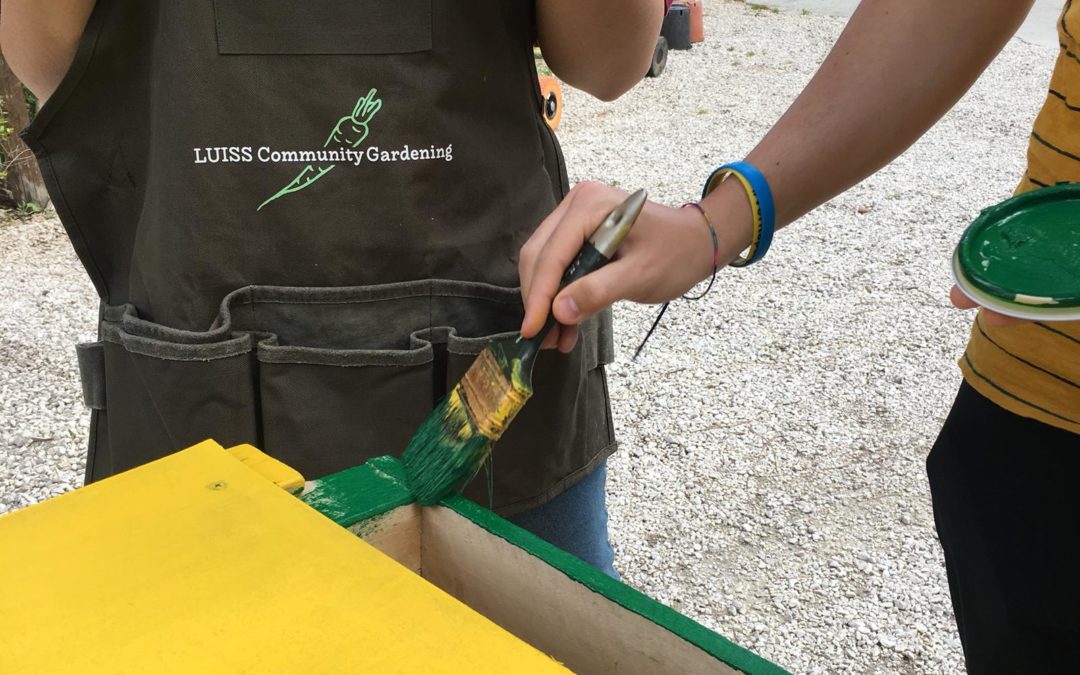
Save the date: next Saturday, 4th May 2019, Luiss University will host the last meeting of EDU@LabGov in Luiss Community Garden from 10 am to 12am.
In this occasion the LabGovers (students of the Urban Clinic of LabGov) will work to make the last adjustments to the prototype of the project that they have designed during these months. In particular, they will work on inserting the technological elements that respond to the challenges related to sustainable agriculture, energy, tech justice and many more. Furthermore, they will co-design the event in which they will present their ideas to the public!
This appointment will represent the last moment to put into practice definitively the topics they have discuss during this Urban Clinic of LabGov A.A 2018/2019.
As always, if you are interested in following their work, follow our official
social networks!
This is a very last moment before the final event.