From November 11th to 12th, Gaverina Terme is going to host the second edition of Cooperative in Cammino – “La cooperazione per i beni comuni”, a moment of analysis and elaboration of proposals for a new model of connection between public and private, a place where different experiences of cooperation meet and share their knowledge on those new experimental models of organization.
Cooperative in cammino comes up from the need of defining more open and participated models of cooperation, that provide the involvement of citizens in the management of goods and services of common interest, and that experiment new forms of dialogue between those actors and public administration.
Saturday, November 11th, Cooperative in Cammino will host the convention “Give back commons to collectivity” (“Restituire i beni comuni alla collettività“), that is going to be introduced by Lodovico Patelli, President of the Cooperative, and Christian Iaione, LabGov’s co-founder.
Sunday, November 12th, the round table “Experimenting the management of public goods and services” (“Sperimentare la gestione di beni e servizi pubblici“) will take place.
Dall’11 al 12 novembre Gaverina Terme ospiterà la seconda edizione di Cooperative in cammino – “La cooperazione per i beni comuni”, organizzata dalla Cooperativa Sociale L’Innesto.
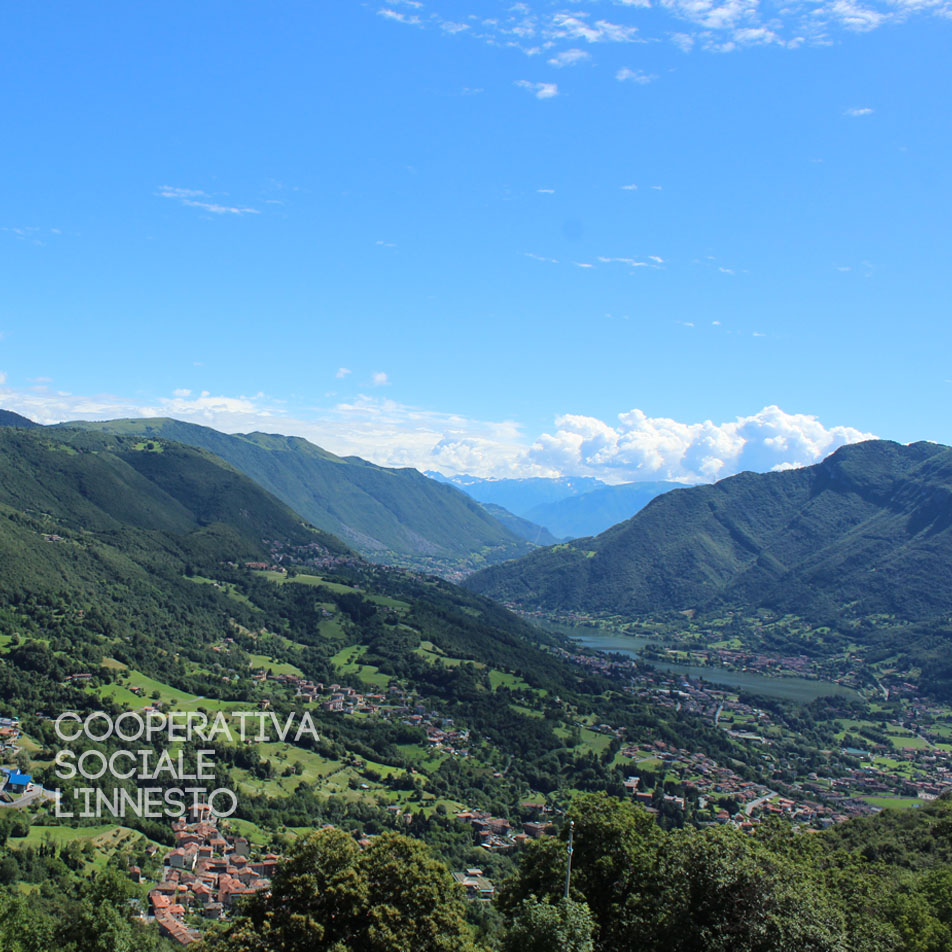
On the sides of the Endine Lake there is a real estate called “la Casa del Pescatore”, one of the access points to the Cavallina Valley providing services to tourists wanting to visit the area. The Casa has been managed for 16 years by a social cooperative, L’Innesto, on behalf of the Mountain Community of Laghi Bergamaschi: since 2001 the Cooperative has been offering the possibility of enjoying the lake in a sustainable way, and has participated to the local development practices and to the touristic acceptance in the area.
On June 21st, 2017 the Province of Bergamo communicated to the social cooperative L’Innesto the publication of an alienation announcement referred to the Casa del Pescatore. The local government has offered to the cooperative the right of first refusal (to be exercised within August, 19th) at the entry price of 865K euros.
The Innesto cooperative is of course well interested to the civic acquisition of this common good, in order to be able to carry on with the activities through all these years have allowed a sustainable fruition of the lake by the valley community and its hosts. The cooperative’s own financial sources, however, do not allow the accomplishment of the process of acquisition as prescribed by the local government.
That is why L’Innesto cooperative, in order to maintain the Casa del Pescatore as an open space for everyone, as well as to pursue non-profit, civic, solidaristic and social activities, has decided to:
activate a capitalization plan with the subscription of further action by the actual 150 associated and the acquisition of new associated from the inhabitants and hosts of the valley (process already in place);
This campaign is hopefully going to allow to the social cooperative to acquire the common good, as well as to renovate it and activate new services and activities to generate new jobs and to develop a new incisive promotion of the territory.
As Professor Christian Iaione stated in the article Città e beni comuni, “the urban spaces and services of common interest […] do satisfy many needs of living in the city because they are functional to the community’s health as well as to the individual exercise of citizenship’s rights: the quality of life and of work, sociality, mobility, amusement, sharing, sense of community, the possibility of growing new capacities and passions…all those things are immediately affected by the major or minor quality of collectively used infrastructures that a city can make available to its inhabitants” (click here to read the full article). That is why he suggested that in some the right strategy is to buy back the commons and create self-sustaining collective institutions that manage them.
Those spaces of common interest are fundamental and vital for the development of communities, and that’s why they are conceived as urban commons. Other similar experiences of civic acquisition are carried out in Rome by the Community for the Public Park of Centocelle (www.co-roma.it) and in Milan by the Macao experience (http://www.macaomilano.org).
La Cooperativa Sociale L’Innesto ha lanciato un appello per allargare la propria base associativa e una campagna di crowdfunding per raccogliere fondi destinati all’acquisizione della Casa del Pescatore e mantenerlo come luogo aperto e fruibile da tutti.
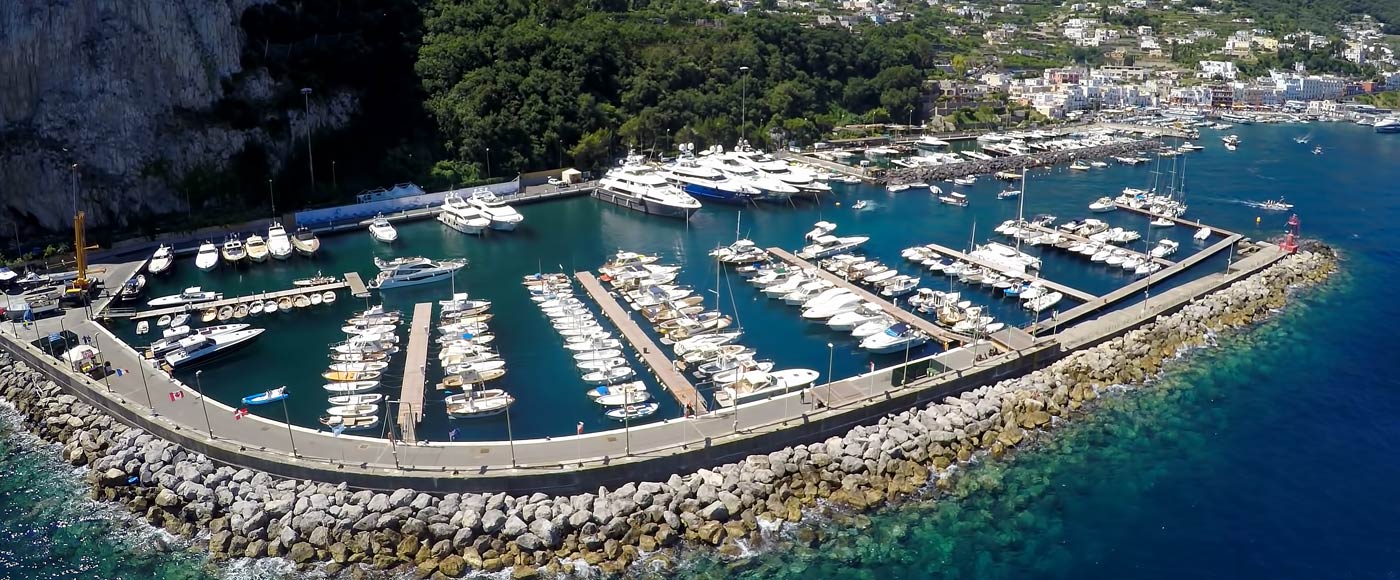
The decision of the Regional Administrative Court of Lazio no 874, issued on July 26th 2017, confirmed the legitimacy of the action taken by the City of Capri to buy-back from Invitalia, a State-owned company, the 49% of the shares of the company managing the Touristic Port of Capri. The Touristic Port of Capri was created by the central government in the sixties as a public-public partnership with the City of Capri which owned the remaining 51% of the shares. The decision rejected the judicial review application of NLG Navigazione Libera del Golfo, a private company managing the ferry service between Naples and the island. According to many on the island NLG’s primary and probably sole interest is to bring as many tourists as possible on the island and therefore NLG might have seen the purchase of the 49% owned by Invitalia as a “foot in the door” to secure full control in the future over an essential facility for its business. This might have increased the mass tourism phenomenon that is jeopardizing the environmental and social sustainability of Capri as well as other main touristic attractions in Italy, such as Venice, Cinque terre and Florence, and in other European cities, such as Dubrovnik and Barcelona.
The City of Capri, as announced in a press release by the Mayor Giovanni De Martino, who thanked Professor Maria Alessandra Sandulli and Giplex LLP for their work in representing the City of Capri in court, has decided to stop the privatization as a first step of a long-term strategy to improve the quality of the port infrastructure and services. The Touristic Port of Capri is indeed an essential facility for the livelihood of those living on (and not just visiting) the island. It may well be also the linchpin for a development plan of the island based on a more sustainable and responsible tourism that would preserve a cultural and landscape heritage for future generations. The Mayor highlighted the importance of the decision to keep the Touristic Port of Capri company under the full control of the City, allowing it to continue in its mission to contribute to the economic and social development of the island of Capri. The City indeed decided to exercise the right of first refusal and purchase the minority shareholding owned by Invitalia to secure full ownership of the Port in public hands and thereby start a strategic planning process to reconceive the governance and business model of the Port as an infrastructure commons.
As Parag Khanna has recently stated “no matter which way we connect, we do so through infrastructures”[1]. Brett Frischmann demonstrated how to conceive infrastructure (both traditional, transportation and communication, infrastructures and non-traditional, environmental and intellectual, infrastructures) as commons[2]. Frischmann argued that infrastructure have a social value that exceeds the private market value, and open commons management might therefore be a promising strategy for infrastructure, because it offers opportunities for users to generate public and social goods, although with a range of complications, such as congestion management[3]. Studies carried out by Christian Iaione[4] on price and quantity instruments to regulate transport infrastructure suggested that congestion in infrastructure use can amount to a “tragedy of the infrastructure” as in the tragedy of the commons. Iaione proposed that transport infrastructure could be regulated at the level of local communities, individuals, inhabitants (i.e. the lowest level possible) who should be enabled by the government to take on the challenge to pursue the general interest in their everyday lives and in the management of common resources[5].
In other words, according to the this literature, cooperation for infrastructure commons might be both a supply side strategy to involve users in their governance and rethinking of their business model in order to address financing problems, as well as a demand-side strategy to enhance capacity and efficiency of the existing network in order to address congestion problems.
In a context of crisis and lack of resources for the public sector, privatization of public infrastructures often gets depicted as the only possible solution in order to improve public service provision and efficiency. However, the judicial decision by blocking the privatization process opens up the door to a solution that could adopt the design principles suggested by the literature on the infrastructure commons. Moving away from the classical public-private partnership model, the Mayor’s view suggests that the port of Capri should be legally understood as and managed through a public-commons partnership to produce both economic returns and social, environmental and cultural impacts. This solution might be able to grasp the social value and the economic potential the governance of the commons has guaranteed in other contexts.
[2] Brett Frischmann, Infrastructure, Oxford University Press (2012) at 189-253.
[3] Brett Frischmann, Infrastructure, Oxford University Press (2012) at 116.
[4] Christian Iaione, The tragedy of urban roads: Saving cities from choking, calling on citizens to combat climate change, Fordham Urb. L. J. Vol. 37, 3 (2009).
Il Porto Turistico di Capri, creato negli anni ’60 come partnership pubblico-pubblico tra la città di Capri e lo Stato rischiava di essere privatizzato a causa della procedura di dismissione delle quote statali trasferite dallo Stato a Invitalia. Si appresta adesso ad essere giuridicamente inteso e gestito come bene comune, attraverso la prima partnership pubblico-comunità, per produrre non solo ritorni economici per la comunità caprese, ma anche impatto sociale, ambientale e culturale.
The conference represents a very important opportunity for the consolidation of the study of the commons, bringing together scholars, young researchers, public and private actors, and professionals from all over the world, who will learn, exchange ideas, and debate on innovative practices of management and governance of the commons.
Engaged in the achievement of the social and institutional regeneration of the commons, LabGov is doing research on innovative governance models and it will participate in the 2017 IASC Conference in Utrecht. Elena De Nictolis (LUISS University) together with the co-founders of LabGov, Christian Iaione (LUISS University) and Sheila Foster (Georgetown University) will present the “1st Co-Cities report on Urban (Commons) Transitions”, introducing the work that LabGov has carried on and sharing their experiences acquired on the field through the design of regulatory frameworks like the Bologna Regulation on Civic Collaboration for the Urban Commons.
As part of the “Practitioners’ Labs”, particularly of interest are the “LabGov Amsterdam: An expedition in progress”, which will explore the practices of the Laboratory for the Governance of the Commons (LabGov) in Amsterdam, inspired by the work of professor Christian Iaione and LabGov; and the Lab on “Becoming-common. City administrations as practitioners of the commons in Europe”, which presents different practices developed by local governments in the production and management of public resources that are understood as commons.
The work of the IASC and the thematic focus of this conference reflect the urgency and the relevance that commons have in our societies today. Increasing privatization of public goods coupled with the economic downturns of recent years have weakened our societies, creating the necessity to restore the collaborative relationships between citizens, administrations and businesses in order to share resources, and take care of the commons in urban and local communities.
Dal 10 al 14 luglio avrà luogo a Utrecht la conferenza organizzata dall’ International Association for the Study of the Commons (IASC) sul tema: ‘Practicing the commons: Self-governance, cooperation, and institutional change’. LabGov parteciperà alla conferenza presentando il lavoro di ricerca intitolato “The 1st Co-Cities report on Urban (Commons) Transitions”.
Fighting to regain access of abandoned public lands, the Mondeggi Bene Comune initiative was born in 2013, out of the Florence Committee for Land as a Common Good (Terra bene Comune Firenze) in order to defend the principles of commoning on agricultural lands on the specific site of the Mondeggi farm, a 200 hectares territory situated in the Florence metropolitan region. Ever since 2013, Mondeggi Bene Comune gathers a diverse network of organic producers, farmers, professors, architects, students and active citizens who want to oppose the selling out of public heritage in favor of private investors, and propose an alternative, participatory community management of these abandoned spaces, one that recognizes the value of such lands as common goods, and one that ensures complete openness and participation by the community.
The initiative is continuing its fight to be recognized by the institutions as a worthy and beneficial example of civic management of common resources, and block the ratification of the notice of sale.
Mondeggi Bene Comune has the potential to foster a democratic dialogue between public institutions and active citizens, as long as it develops a framework for a participatory and open community management of common resources.
In order to mobilize the maximum number of people the initiative needs citizens to subscribe to the movement’s fight and to help spread the word about their work. To adhere to the cause you can send an email to danieleamorati@yahoo.itwith your Name (specialization/ field of study, teaching, university or respective organization). Example: Mario Rossi (sociologist, University of Florence).
Mondeggi Bene Comune è una campagna di Terra Bene Comune Firenze che propone il recupero delle terre agricole di Mondeggi, trasformandole in beni comuni soggetti ad uso civico, inalienabili e gestiti dalla comunità locale. Mondeggi Bene Comune si sta impegnando per chiedere alle istituzioni competenti di interrompere la scrittura del bando di vendita e riconoscere la gestione civica della Comunità di Mondeggi, una gestione che deve assicurare la massima apertura e la massima partecipazione cittadina all’esperienza.