by Alessia Palladino | Jul 3, 2017 | The Urban Media Lab

Last June 9th 2017 the City of Genoa freely undersigned an agreement on the Tourists Tax with Airbnb Ireland, the famous platform that connects people having extra space to rent (i.e. Hosts) with people (i.e. Guests) who need it for a short-term accommodation (i.e. Listing).
The agreement introduces a participatory model for the management of resources coming from the tax. This experience makes Genoa an unique example in Italy of effective collaboration and dialogue with a platform, promoted in absence of any statutory requirement.
This policy has been recognized as a “Good Practice” by the European program Urbact: namely, it has been the only one selected among 270 projects coming from 219 cities of 29 European Countries.
Genoa represents a pioneering model for the other European cities in terms of sustainable urban development in the tourist sector, one of the main source of income for the whole Region.
It is currently managing – as the Lead partner – the “Interactive Cities” network, which explores the impact of digital tools on governance, and the way digital, social media and user generated content can improve it.
In this perspective, the agreement itself may be considered the last step of a longer participatory path, started in 2016 with a partnership at regional level.
Indeed, Airbnb started working with the Region and communities last year; their collaboration were focused on the creation of appropriate policies aimed to promote responsible tourism and home sharing rules.
The partnership was one of the initiatives included in the Pact for the Strategic Development of Tourism (Patto per lo sviluppo strategico del turismo).
It aimed to:
- Educate hosts on local home sharing rules;
- Create an open and transparent community;
- Promote the Region as a destination for tourism.
The agreement recently signed by the City of Genoa is aligned with the objectives pursued at regional level. It concerns a pragmatic method for the implementation, collection and remittance of the Tourists Tax, by the Platform on its behalf (pursuant to Article 1, “The Platform accepts that the municipal Tourists tax for overnight stays owed by the Guests for overnight stays in Listings that are booked on the Platform, will be collected by the Platform and reimmitted to the Municipality on behalf of the Hosts”).
It will in be in force experimentally for a year, since August 1st 2017, and it will allow to regulate a fundamental sector of the local economy.
In detail, it is made up of 13 articles. The content could be divided into three main headings:
- Method for the management of the Tourists Tax;
- Parties obligations;
- Penalties and breach of contract.
The Platform will inform its registered Hosts about its new role. It will consequently include in its Terms of Service a provision about the collection and remittance of the Tax by the Platform on their behalf.
The Agreement provides powers of audit and check for the Municipality of Genoa, related to data disclosure too. In this case, the Municipality will have both a general access to anonymized data and also, on a case by case basis, a limited access to individual account details, in order to verify the effective collection of the Tax by the Platform.
Airbnb initiatives have also turned to other Italian cities (City of Florence, Rome prefecture), as well as it agreed to enforce rental limits in other two key European markets, such as London and Amsterdam.
These cases represents a different approach of the home-sharing company, despite of many other Silicon Valley ones: it may be due to avoid the risk of crashing down on the use of the service, because of policymakers restrictions.
Recently, the Platform has published a report about the economic impact of the community in Italy in 2016, which boosted about € 4.1 billion.
About Genoa experience:
- There were 1100 active Host-users;
- Each Host rented his own space for 39 nights per year, earning around €2700;
- 57000 Guests booked an Airbnb accommodation, with an increase of demand by 70% over the previous year.
The development of home-sharing in Genoa produced better economic and environmental impacts compared to traditional accommodation.
Nevertheless, researchers at the Ladest Institute of the University of Siena (Ladest) have been monitoring for two years the community activity in thirteen Italian cities: Bari, Bologna, Catania, Florence, Genoa, Matera, Milan, Naples, Rome, Siena, Turin, Venice and Verona.
The study has calculated unbalances and significant incoming differences among Hosts operating in the same City: accommodations placed close the historic centre are most in demand.
The research group has proved that earnings are concentrated in the hands of a few people.
This study group could be useful to reflect upon the reactions generated by the implementation of the Tourist Tax: since it is not a graduated progressive tax, it could discourage Hosts with a few yearly incoming, who could reduce or give up their home-sharing assets.
Furthermore, there could be a risk of distorting the original purpose of the Platform, switching from sharing to a real business model.
The next experimentation could reduce and dispel doubts and it would be possible analyze reactions coming from Hosts, Guests and the Municipality.
Il 9 giugno 2017 Genova ha siglato un accordo con Airbnb Ireland sulla Tourist Tax, introducendo un modello partecipativo per la gestione delle risorse provenienti dalla tassa. La policy è stata riconosciuta come “Good Practice” dal programma europeo Urbact.
by Monica Bernardi | Jun 23, 2017 | The Urban Media Lab
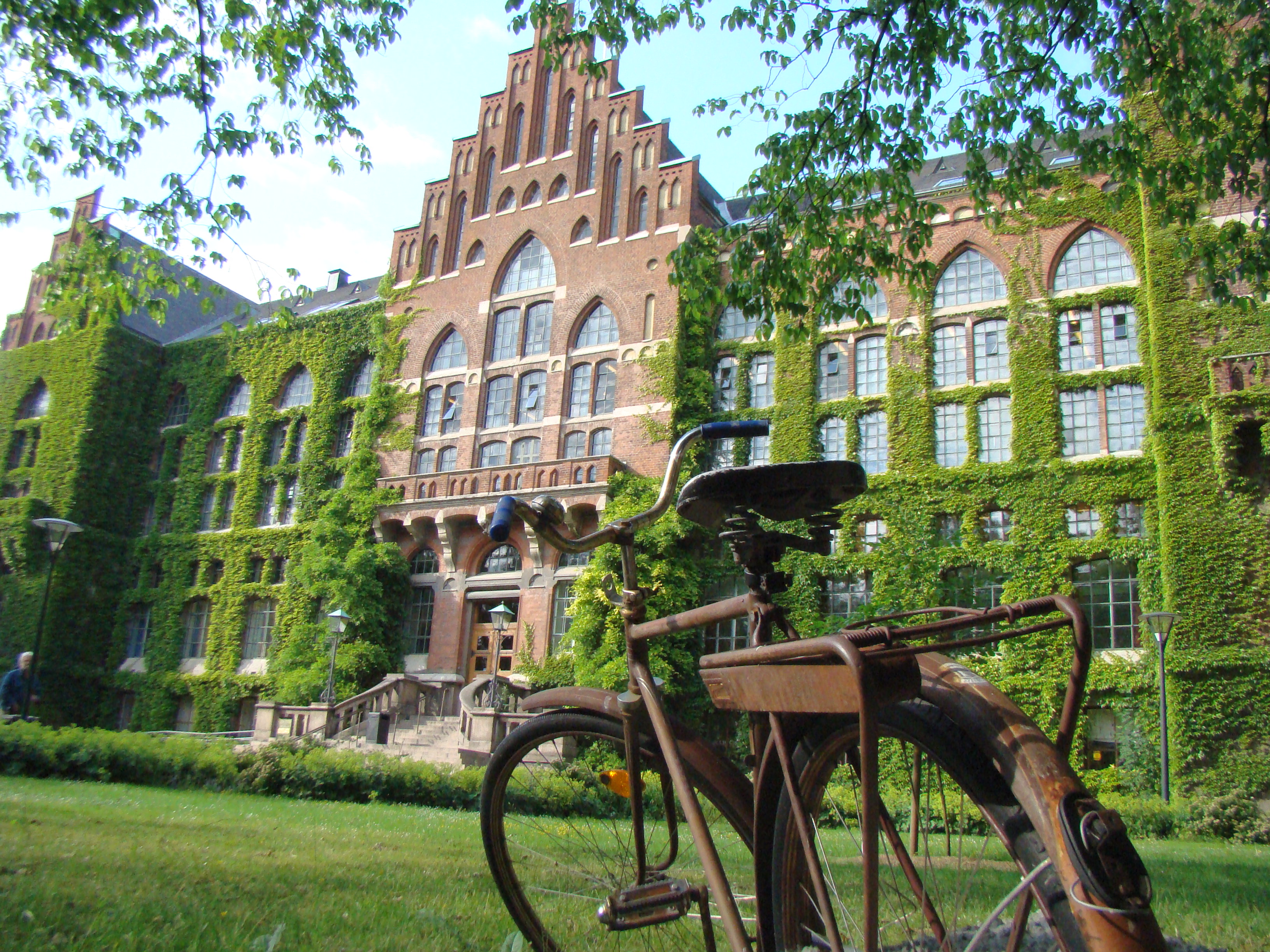
June 15th and 16th 2017 the International Institute for Industrial Environmental Economics (IIIEE) of the Lund University (Sweden) hosted the 4th International Workshop on the Sharing Economy. A great venue for the European network of researchers working on the topic of the collaborative and sharing economy.
In two days 95 participants attended the workshop, organized in 10 multidisciplinary sessions, 3 very valuable keynotes speeches, 1 academic discussion and 1 stakeholders debate.
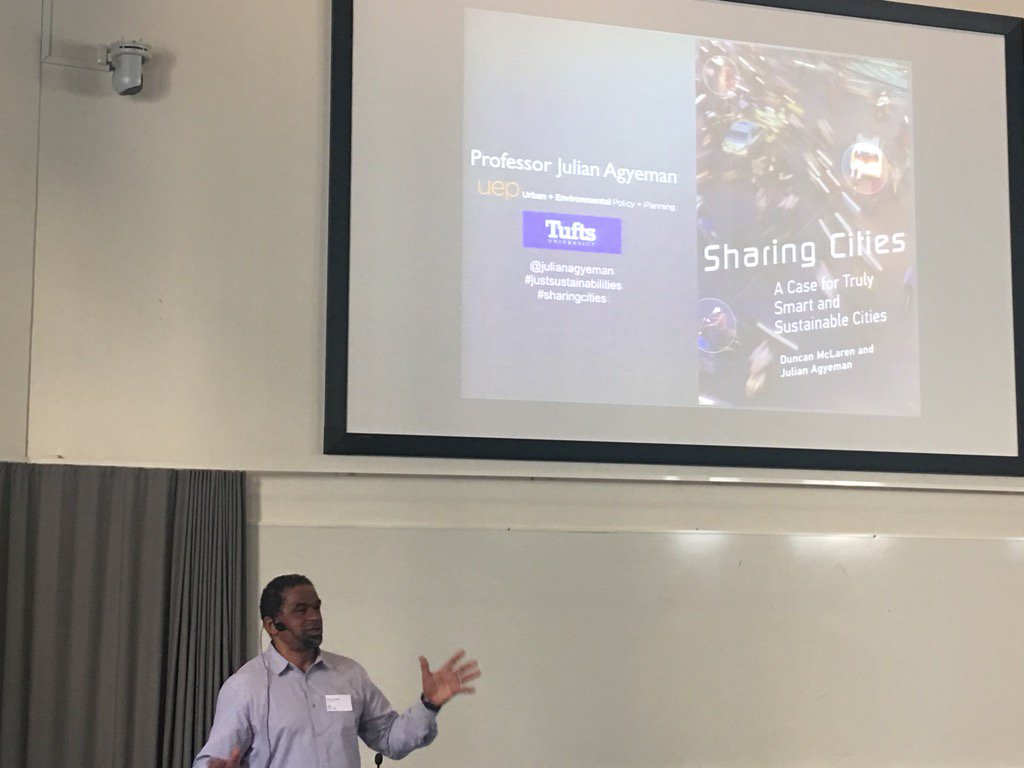
The workshop was opened by professor Oksana Mont of the Lund University who welcomed the participants and introduced the first keynote speaker: professor Julian Agyeman of the TUFTS University (Medford-Boston, MA) author, with Duncan McLaren, of the book “Sharing Cities: A Case for Truly Smart and Sustainable Cities”.
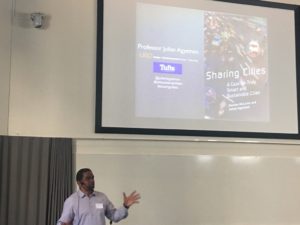
Agyeman started from the concept of just sustainability – to explain how the reinvention and the revival of sharing in our cities could enhance equity, rebuild community and cut resource use; and he presented the “sharing paradigm” proposed in the book: a paradigm which recognizes the shift from socio-cultural sharing practices to (inter)mediated ones as the central transition in contemporary cities, and also highlights a second spectrum from communal/intrinsic to commercial/extrinsic models. The book in fact explores more cultural then commercial, and more political then economic approaches, that are rooted in a broad understanding of the city as a co-created urban commons. The speech ended with some suggestions for governing the sharing city and developing the methodologies of analysis.
The work shop continued with the sessions exploring both conceptual, methodological and empirical questions, such as concepts, methods, impacts, operations, geographical contexts, actors and governance, gathering Ph.D researchers, research fellows and assistant professors from many European countries and universities, revealing a great variety of approaches, methodologies, fields of research. In the two days of the workshop 39 contributions and 3 pitches were presented.
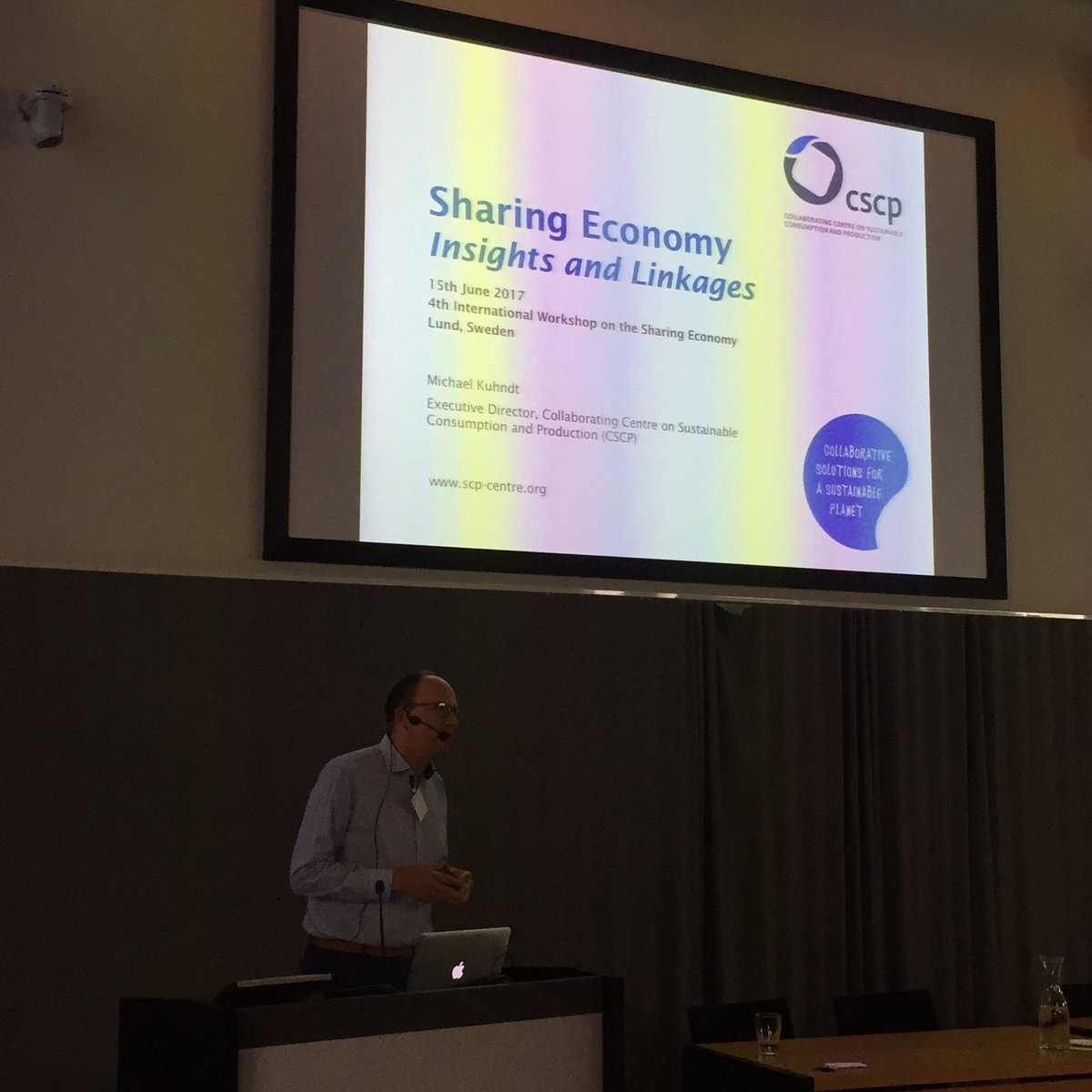
The second keynote spe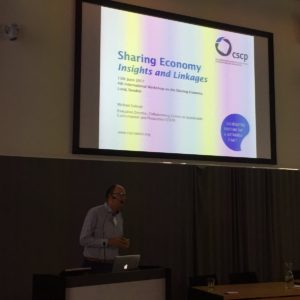 aker was Michael Kuhndt, the executive director of the Collaborating Centre on Sustainable Consumption and Production (CSCP), an international nonprofit Think and Do tank that works with businesses, policy makers, partner organizations and civil society towards a sustainable planet.
He gave insights and linkages for a sustainable living and presented a global survey on the sharing economy initiatives in North America, Europe and Latin America. He linked the sharing economy with four dimensions, giving data and explanations for each one: lifestyles, digitalization, circular economy and mainstream businesses.
The first day closed with an academic panel discussion titled “Sharing Economy: controversy in the making”. Moderated by Lucie Zvolska, a Ph.D researcher in the sharing and collaborative economy at the IIIEE, it involved Julian Agyeman, Michael Kuhndt, Karin Bradley – Associate professor of the KTH, expert on sustainable urban development, environmental justice and sharing economy, Hugo Guyader – OuiShare Connector Sweden, Ph.D at the Linköping University, Karin Salomonsson – of the Lund University, Department of Arts and Cultural Sciences, and Yuliya Votytenko Palgan – Assistant professor at the IIIEE, expert on new economies (bioeconomy, sharing economy and circular economy) and sustainable urban innovation and experimentation (urban living labs). The panel went through some relevant questions such as topics and issues on which to work today to analyze the sharing economy, and the best methods to use, as well as the social inclusion in the sharing economy as tool for a more sustainable economy.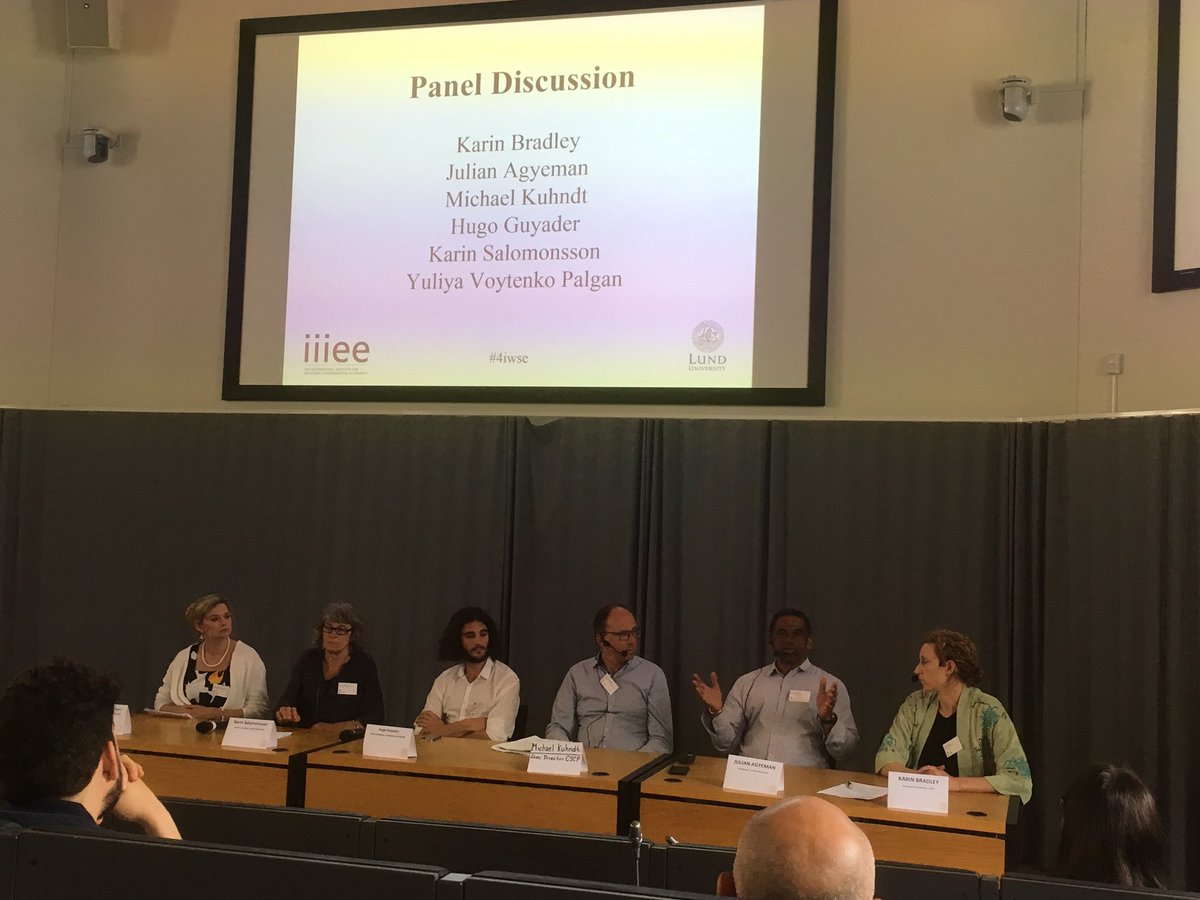
The first day ended with a collective dinner at the Grand Hotel of Lund.
The second day saw the keynote speech of Martijin Arets, an international experts in the field of scalable online platforms, in particular in the sharing economy, crowdfunding, and the gig economy. He talked about sharing economy and entrepreneurship on the bases of more than 350 conversations he made in 13 countries in the last three years with businessmen and experts.
The speech was followed by a stakeholder debate (after academia a glimpse on the local landscape in terms of sharing economy). Moderated by Steven Curtis – a Ph.D student at the IIIEE researching on urban sharing organisations as a mechanism to realise sustainability transitions in cities, the panel wondered about the future of the sharing economy. Among the participants there were: Eva Eiderström, Director of the Department of Ecolabelling and Green Consumption at the charitable environmental organisation Swedish Society for Nature Conservation. Emma Börjesson, project manager at the Environmental Department in the City of Malmö, expert on sustainable consumption, with particular attention on fair trade, textiles and food; recently, her work has brought her to the sharing economy, due to a project funded by the “European Regional Development Fund”, which focuses on job-creation and lowering living costs. Anna Wittgren, the Business Area Manager of Leisure Travel at Malmö Tourism, an organization that is part of the Malmö Municipality. Matthias Lehner, a Postdoctoral fellow at Lund University engaged in the study of the role of food retailers in promoting sustainable consumption; he is currently collaborating on two projects to examine the role of “the sharing economy” in empowering more sustainable consumer/user consumption behavior. Mattias Jägerskog, founder of the non-profit ridesharing movement Skjutsgruppen who for some ten years now gathers over 70,000 participants, working with over 30 municipalities, counties and regions in Sweden. Jane Olsson, founder of the company SWOPshop, located in central Malmö with the aim to allow people to barter clothes and focused on sustainable consumption in fashion.
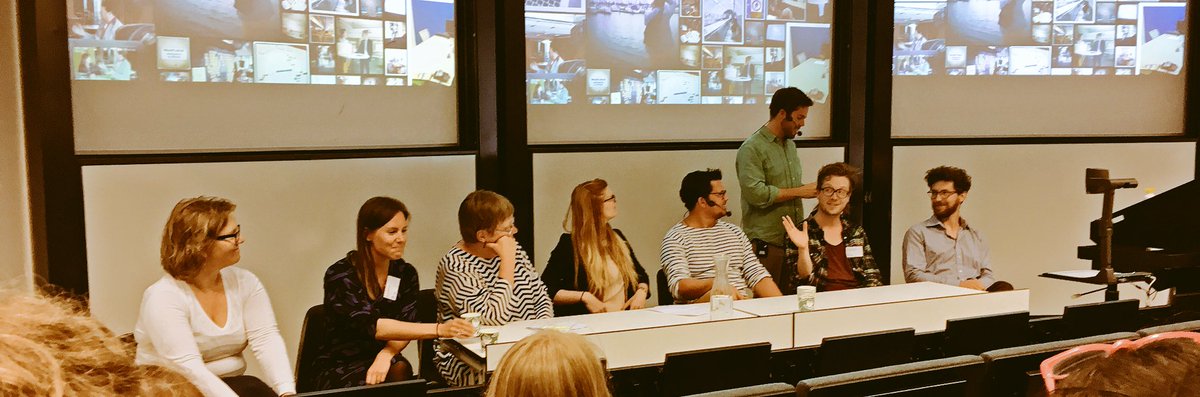
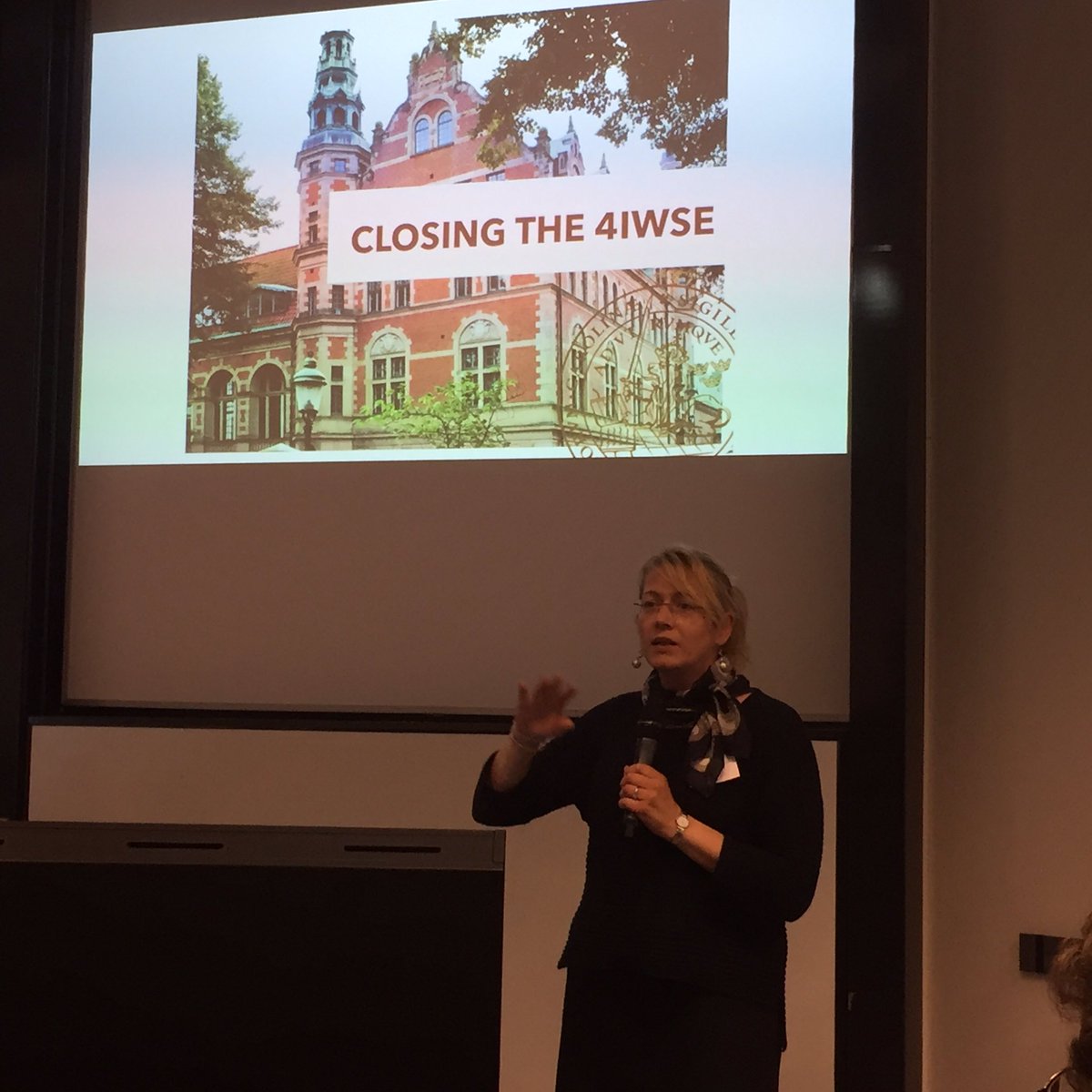
Professor Oksana Mont closed the workshop highlighting the connections made in the event in terms of co-creation and co-sharing values: engaged academic community, engaged young researchers, interest from stakeholders. In line with this approach of co-creation and co-sharing all the sessions were spaced out with networking coffee breaks to give participants the opportunity to exchange opinions, to reflect together, to ask more questions even after the discussion space during the sessions.
Professor Mont also remembered that the w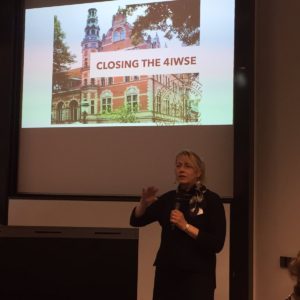 orkshop contributors can participate at the draft of a book to help in describing and understanding the sharing economy phenomenon, sharing organizations, sustainability impacts and institutionalization processes. In addition a Special Issue of the Journal of Cleaner Production will be issued. A legacy of the workshop will also be the creation of a Ph.D student network on the sharing economy, to connect diverse backgrounds, ways of working, places and perspectives, and to apply for funding for workshops and meetings.
At the end, Dominika Wruk, of the Mannheim University and member of the project I-Share, presented the date and the venue for the next edition of the workshop 5IWSE: University of Mannheim (Germany) , June 28th and 29th. A new opportunity to brainstorm about sharing and to connect researchers and ideas in an innovative city, a real sharing hotspot (there are more than 70 sharing organizations), easily reachable with public transportation from all the European countries. So, save the date!
[The workshop was arranged by IIIEE together with the department of urban planning and environment at KTH (Royal Institute of Technology) and the funding support of the agency Formas (Swedish Research Council for Sustainable Development)]
****
Il 15 e 16 giugno si è svolto presso l’università di Lund, in Svezia, il 4° International Workshop on the Sharing Economy. Un’importante occasione di confronto per i ricercatori europei che lavorano sui temi dell’economia della condivisione e della collaborazione in diversi ambiti accademici. 10 sessioni per presentare 39 ricerche e 3 pitch, che hanno visto la presenza di 95 partecipanti. Il workshop è stato impreziosito da tre keynote speakers d’eccezione: Julian Agyeman della Tufts University (Boston, MA), Michael Kuhndt del CSCP – Collaborating Centre on Sustainable Consumption and Production e Martijn Artes, esperto internazionale di piattaforme collaborative; oltre a un panel accademico e un tavolo di discussione tra stakeholders locali. Prossimo incontro: 28 e 29 giugno 2018 all’Università di Mannheim per la quinta edizione: save the date!

by Monica Bernardi | Jan 19, 2017 | The Urban Media Lab
Cities are facing a series of problems at the urban mobility level, what is called “the tragedy of urban roads” (Iaione, 2009), that implies: a growing traffic congestion, a huge amount of car accidents and a rising level of carbon emissions, all conditions that affect the urban life. As Iaione[1] underlines they represents the “perfect showcase for the tragedy of the commons, a collective action problem in which a resource held in common – urban streets and roads – is subject to overuse and degradation”. He suggests market-based regulatory techniques and public policies for controlling the demand-side of transportation congestion as the best response. In addition, a traditional inefficient (and sometimes outdated) public transport system is fueling the use of private cars, with no perspectives of improvement lacking substantial funds in ad hoc infrastructures. May ICT’s and new technologies offer solutions to solve these problems, respecting commons, environment and people, and to improve the urban mobility? There are at least three orders of answers.

Picture by Nav Tombros / CC BY
The first one is related to the possibility of triggering individual behavioral changes that will have over time a collective impact on the society. As stressed by Comin and Speroni in “2030. The perfect storm – How survive to the Big Crisis” (2012) “behaviors that really have a significant impact on the environment imply a radical change in the life styles, with economic consequences of great importance… in addition behavior changes should be accompanied by political choices able to extend and enhance their effectiveness and by proper business strategies”. The global movement careful about environment and sustainability is growing, even if still fragmented. The two authors in their book invite to enhance to the fullest the efforts of this global mobilization, considering them in the political choice, creating synergies with the business world and with the market economy, to be able to reply to the perfect storm. Additionally, internet and ICTs are helping in spreading a new aptitude and lifestyles more careful about the environment.
The second answer to the tragedy of road congestion concerns new organizational formulations made possible thanks to advanced digital solutions, from car-sharing to car-pooling, from services like Uber and Lyft up to the futuristic driverless-car, all examples of urban mobility transformation. About this point a deepening is required. Ride-hailing services are growing in the urban mobility panorama, especially in USA, where the use of private cars as primary means of transportation is even more rooted (for the low gasoline price, for the effects of the urban sprawl that make difficult plan or infrastructure a rich public transit system, and for the lobbies that over the years have invested in the road network rather than on the train system, enriching the “road industry”). Services like Uber and Lyft are more and more used to slowly plug gaps normally filled by public and private investment in infrastructures and services. They are perceived as justification for the bad public service, and even pro-transit politicians and officials have started to see ride-hailing services as possible and acceptable substitute for public transit. Pressed by tight budgets, some towns are looking at this services as a replacement of the public transit system. What’s going on is that more and more cities are cutting transit lines and subsidizing car rides. After several years of uneasy or hostile relationship over regulation among the ride-hailing companies and the local government officials, today something is going to change. Los Angeles, Pinellas County and Altomonte Springs in Florida, Centennial in Colorado, Washington DC, are just examples of cities that are looking at Uber and Lyft as alternative services of the public transit system. The Amalgamated Transit Union even affirms that the speed at which these services are replacing the existing public services is “like a tsunami”, especially because they represent a saving for government.
Opinions on this option are nevertheless in contrast, there are supporters and detractors of this vision and strategy. For someone to support these services is simply a smart choice especially in suburban contexts that are expensive to reach and support with public transport. In addition, in front of a growing poverty that is pushing more and more people in suburban neighborhoods, these services have the potential to do a lot of good for places that need it the most (not to mention that they can do it for a lot less money, very important aspect in a time when many state legislatures opposed to any new taxes or debt). For others, on the contrary, this choice would bring unpleasant consequences. Even if at the moment Uber and Lyft are subsidizing US ridership, one day they could start to profit from it and raise the prices. With the outcome of having less bus and train lines, no infrastructures and only few alternatives to private cars. Someone also underlines that “Uber isn’t replacing buses, but instead providing an alternative that shifts more of the transportation cost onto individuals”, opening to the doubt that governments are choosing to serve corporate interests and transforming public transportation in a mean for profit and not for the public good. Morozov invites to ask loudly for investments in infrastructures instead of relying on the opportunities that these companies seem to offer today, instead of thinking to obtain more while paying less. Furthermore, beyond surface appearances Uber, for example, is registering economic losses, in part due exactly to subsidizing fares. To face the situation Uber is trying to diversify its offer (UberPool, UberEats, UberRush are the new entries of the company) but soon investors will want to see concrete results. A part from the risk of a price rising, there are also other hot aspects: there are people without smartphones or mobile internet, and disabled that requires specific services for example. Unlike transit agencies, private providers have no obligation to operate in poor, low-density areas, work with disabled residents, or keep fares stable; and what about the bad working conditions often reported by employees of these services? The risk is to affect public sector jobs replacing them with contract work, and only this aspect could open a spirited debate.
The third aspect is related to the data sharing on traffic and mobility fluxes. Uber has already implemented a strategy to transfer its data to planners and municipalities in order to allow for a better traffic planning. Anyway, the risk is to become dependent from the Uber data flux and to let it create a real monopoly. Actually, the company has replied creating an open data site, Uber Movement, through which share aggregated data of urban traffic generated by the GPS during their rides. Institutions, research organizations, universities and people interested in studying the flow of the urban mobility of the cities where Uber operates (450) may access to data, which facilitates understanding and makes the urban mobility system more efficient and sustainable. At the moment, the service is active on the main Australian cities, on Manila and Washington DC with the idea to extend the service.
Time will tell us if the strategies just reported will or not have a good environmental, economic and social impact and what will be the European reply to this American tendency.
****
Nella società high tech aumentano le possibilità di dare risposte concrete ai problemi di congestione urbana e inquinamento. Non solo è necessario un cambio nei comportamenti prima individuali e poi collettivi dei cittadini, ma è importante aprirsi anche alle potenzialità che possono avere nuove formule organizzative. Entriamo nella dimensione del car-sharing e del car-pooling, con servizi come Uber e Lyft a farla da padroni. Si tratta infatti di compagnie che stanno crescendo a dismisura, soprattutto nelle città Americane e di recente assistiamo ad un tentativo delle municipalità di aprirsi ad un’insolita integrazione del servizio di ride-hailing in sostituzione di alcune linee del trasporto pubblico. Tra acclamazioni da un lato e seri dubbi e preoccupazioni dall’altro.
****
[1] Christian Iaione, The Tragedy of Urban Roads: Saving Cities from Choking, Calling on Citizens to Combat Climate Change, 37 Fordham Urb. L.J. 889 (2009).

by Monica Bernardi | Dec 8, 2016 | The Urban Media Lab
Old fortress gate with light trails at downtown
The city of Seoul four years ago identified the sharing economy as a new alternative tool to reply to the main urban challenges, betting on it to face the fourth industrial revolution. The Seoul Metropolitan Government (SMG) declared to become a Sharing City in 2012 and launched the “Sharing City, Seoul” project, focusing on building infrastructure. The creation of the “Sharing City Team” under the Social Innovation Bureau was one of the first crucial steps, and the division started to work to develop policies and institution for Sharing City, collaborating with local districts in Seoul, and closely working with the ShareHub Team. The latter, managed by Creative Commons Korea, was another very important structure fundamental in the development of the project and in the socialization of the topic among citizens.
During these four years a lot of progress has really been made to the point that the Mayor Park Won-soon was awarded the Gothenburg Award for Sustainable Development[1]. Mayor Park was indeed the first promoter of the project and under his mandate the city has become a global leader in the sharing cities movement. On the Gothenburg Award websites we can read: “Under the leadership of Park Won Soon, Seoul has taken a global lead in developing a sharing city […]. As a pioneer in this area, Seoul has developed various forms of effective sharing by changing regulations, mobilizing the city’s underused resources and making information readily accessible. The city has also raised public awareness and supports companies and initiatives in the sharing of information and assets. Park Won Soon has been Mayor of Seoul since 2011 and is a prominent figure in the process of creating better opportunities for sharing resources and information”.
As it is mentioned in the recent e-book Seoul Draws a City Through Sharing, released by ShareHub in March, five key policies have been implemented:
- Sharing Promotion Ordinance – that defines sharing as “activities that create social, economic and environmental values by jointly using resources, such as space, goods, information, talent and experience”. It also became a kind of milestone for gu districts (gu refers to a borough or district within a city) and other local governments outside Seoul committed in the effort of pushing ahead with similar sharing city projects. The choice to adopt an ordinance underlines the importance of putting people at the center of the processes: it means that the project has been approved by the Seoul citizens and not imposed top-down by the Mayor or by the public institution.
- Support for Sharing Enterprises – SMG examines non-profit organizations, corporations, or enterprises that provide sharing services and designates them as sharing organization/enterprise if they meet a certain criteria, providing administrative and financial support. The SMG is working as connector to encourage better use of the services of the enterprises and more participation by citizens. In addition the SMG supports also future sharing entrepreneurs through the Sharing Economy Startup School and other similar programs.
- Improvement of Laws and Institutions – since the existing laws sometimes don’t contemplate the innovations brought by the sharing economy, SMG searched for regulations that would drag sharing companies down, examining areas like transportation, tourism, taxation, parking lots, food industry, insurance, and infrastructure.
- Autonomous Gu Incentive System – SMG used the “Autonomous Gu Incentive System” to promote the Sharing City. “The system is intended to encourage participation from Seoul’s 25 gu offices in the city’s sharing initiative. Gus are evaluated on their effectiveness in promoting designated projects, and they may get extra budget based on their scores. The gu incentive system serves as a way to draw voluntary participation from gu districts in the Sharing City Project” and the Seoul’s Sharing City Team underlines that this system favors the active engagement of the gus in the project.
- Opening of Public Facilities and Administrative Information – in order to increase citizen use of public space and buildings and reply at the growing demand from community groups for meeting and activity spaces. An example is the Community Building Project, a resident-led initiative, that aims to engage Seoul citizens in community-building project proposal, planning, implementation and follow-up management. Opening public facilities doesn’t require any budget thanks to the existing “Reservation for Public Service” website. In addition the SMG launched the “Open Data Plaza” and the “Information Communication Agora” to share and make public online expense reports, public data, and other data produced by city and district offices.
By date 77 sharing companies/organizations are included in the project (divided into space, goods, skills/experience/time and content sharing services) and the word from the Social Innovation Division of the SMG is that other five sharing companies have been newly designated. Most of them are doing sharing activities on their own, while others are working together with the SMG and/or gu district offices in Seoul on joint projects. It is the case of Urban Hybrid[2] that worked with Gwanak-gu office in order to select an abandoned space and turn it into a local community Centre, Sinrim Agit, and agreed on operating rules. Another example concerns the relation between Socar[3] and the SMG, the former received support directly from the SMG to secure parking lots (key element in car-sharing services) and the latter used Socar’s infrastructure to operate Nanum Car, the Seoul’s own car-sharing service [Nanum Car service is provided not only by Socar, but also by Green Car, Carssum, and HanCar]. Again we have Wisdom[4] that organized a knowledge-sharing event consisting of conference sessions and a networking party under the title of “Seoul meets sharing economy” (for a total of 15 sessions) to explain sharing economy and the fundamental philosophy behind Sharing City initiative to the citizens, and it also published a research paper related to it. Wisdome and SMG worked together in designing/organizing the program while SMG provides project funds. Lastly the Entrepreneurship center OEC[5] worked with SMG, the Mapo-gu district office and the Seongbu-gu district office running the “Sharing Economy Startup School” and the “Sharing Economy Academy” as education programs for would-be sharing economy activists in order to expand the base of the sharing economy in the city.
The SMG has pushed a lot in terms of dissemination, information and socialization of the phenomenon among citizens, through an incredible number of meetups, seminars, conference and campaigns in order to share examples, open discussion forums, and allow people to have an active experience of participation. These events were organized by ShareHub in collaboration with local and international sharing companies and organizations; all resulting materials are available on the ShareHub website so that more people can take advantage of them. In May, in order to know the level of sharing awareness among citizens, the SMG, in collaboration with the research agency Opinion Live, conducted a survey on a sample of 2,500 adults (+19) who reside in Seoul (100 adults from each autonomous gu district, considering sex and age distributions). The awareness rate was 49,3% meaning that one out of every two Seoulites have heard about the project. Men in their 20s and 30s, well-educated, high-income, white collar and residing in the center or southeast area of the city resulted more aware than others categories. In general, in terms of policy satisfaction the respondents were largely satisfied, especially for major projects such as Nanum Car, and they agreed on the effects of the policy in terms of benefits for household economy and environmental protection.
Knowing if people are enough informed and socialized about the phenomenon is not the only important aspect at this point; another key element is related to the impact that the project and the linked policies are having on the city. With this purpose the Bank ok Korea has recently established a sharing economy working group under the Economic Statistic Department, with the aim to estimate the size of the sharing economy and the weight on the GDP. The group is just at its beginning and it should start with a complete agreement of what can be consider sharing economy and what’s not, changing if it is the case the Standard Industry Classifications. This is a global question mark, since for some experts the on-demand services cannot be considered sharing economy, while for others they are the core of the sharing economy itself.
An important opportunity of discussion, also about definitions and impacts, has been the Seoul Sharing Festival held at DDP – Dongdaemun Design Plaza, November 6th -7th, that gathered experts from all over the world to discuss the role that the sharing economy can play in the process of designing the future cities, its potential in becoming a driving force for urban development and a solution to urban problems and how to determine its impact. As reported by Neal Gorenflo of Shareable, in the opening ceremony Mayor Park signed the first joint declaration based on sharing economy with the mayors of other Korean cities to develop a network of sharing cities and work together. The “Joint Declaration on Sharing Urban Policy for Sustainable Urban Development” includes: expanding sharing of human and material resources and information; providing joint support for shared businesses and organizations; seeking city-level measures to improve related laws and systems; and strengthening cooperation with overseas city governments. The cities involved are SiHeung-Shi and JeonJu-Shi, as well as the Elementary Local Self Governments – gu – Gwangsan-Gu, Seodaemun-Gu, Seongdong-Gu, Seongbuk-Gu, EunPyung-Gu. As underlined by Doo-Won Cha, Researcher at the Korea Institute of S&T Planning and Evaluation and speaker at the Festival, there is still no Province or Metro City (Local Government) which pursue the sharing economy policy such as Kyunggi-Do or Busan, but the joint declaration represents an important step forward towards the creation of a network of sharing cities.
The idea to work in synergy with others cities or administrative levels is an important aspect in developing the sharing ecosystem that Mayor Park pursues. For this reason also ShareHub started to collaborate with other sharing portal web sites of the country, like the “Sharing Economy Information Center” of Busan, the “Sharing Gwangju” portal, the “Sharing Daejeon” website and the “Sharing Seongnam” portal.
The joint declaration and the efforts to connect cities, administrative levels and sharing structures reply to the will to create a synergic ecosystem based on sharing and give people new opportunities in terms of economic development, smart consumption, better environment and harmonious communities.
More information about the project “Sharing City, Seoul” and its steps of development can be found in different articles published by LabGov (here, here and here) and Shareable (here, here and here).
[1] The Gothenburg Award for Sustainable Development is given each year to people or organisations for outstanding performance and achievements towards a sustainable future.
[2] Urban Hybrid is a community development company that is committed to invigorating local community through fair development. Urban Hybrid defines fair development as an alternative development that overcomes limitations of physical development. It is a sustainable development that creates new value by making use of existing resources in the community, give positive influence on interested parties in the community, and be flexible in responding to changes in the community. Urban Hybrid participated in and completed the social entrepreneurship nurturing program organised by Social entrepreneur support network (Sesnet), and thanks to that experience, it was given the opportunity to develop Sinrim Agit.
[3] Socar provides economic and eco-friendly car-sharing services. It is a social innovation enterprise that presents a flexible and reasonable alternative of using vehicles. It makes user convenience as a priority to promote a more reasonable consumer culture in using vehicles.
[4] Wisdome is a service that allow people to freely meet people’s stories like you read a “human book” from a “human library”. It provides a sharing platform that enables people to grow by sharing knowledge and experience and networking.
[5] Open Entrepreneur Center produces and offers educational programs for people who find entrepreneurial solutions and continue to create values in the fast-changing work environment in the 21st century. Each word in its name has its own meaning: “Open” means we are now living in the world of openness and collaboration; “Entrepreneur” means it’s an age of people who create values; and “Center” means the company hopes to get together with everyone.
Il progetto “Sharing City, Seoul” ha raggiunto il suo quarto anno di vita, celebrato durante il Seoul Sharing Festival del 6 e 7 Novembre 2016. Tra le novità e i passi avanti fatti anche la firma di una “Dichiarazione Congiunta sulla Sharing Economy” (Joint Declaration on Sharing Urban Policy for Sustainable Urban Development) a cui hanno preso parte diverse città e distretti di Seoul. Dalla creazione di un ecosistema di condivisione alla realizzazione di un network di sharing cities.
by Francesca Spigarolo | Nov 10, 2016 | The Urban Media Lab
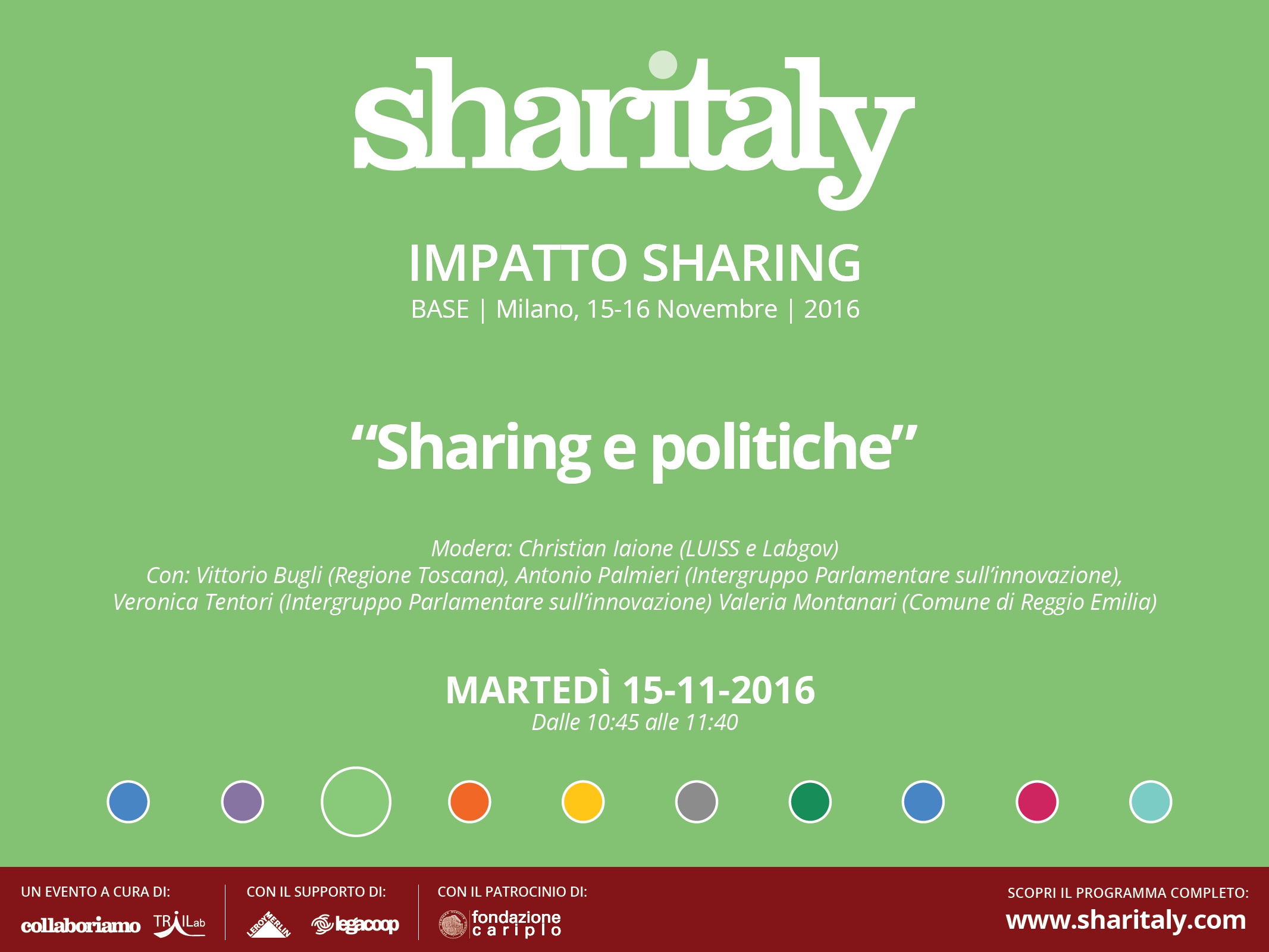
On Tusday the 15th and Wednesday the 16th on November people from all Italy will gather in Milan to take part inthe 4rth edition of Sharitaly, leading event on collaborative economy at national level. Organized by Collaboriamo and Trailab, Sharitaly aims at fostering the debate on sharing economy and promoting the exchange of good practices by bringing together communities, platforms, firms and administrations. In this 4th edition, titled Sharitaly: Sharing Impact, the focus will be on assessing the degree of diffusion of sharing economy in Italy and on evaluating its impact in the country.

In the last few years sharing economy has been the object of numerous debates that presented it under the most diverse lights: from the passionate supporters who saw it as a solution to the economic crisis to the more skeptics who began to worry about its “dark sides”, a lot has been said.
Shareitaly will be the occasion to consider all these views and to further investigate the role of sharing economy in the contemporary society. Through debates, laboratories and case studies the participants will get together and will confront the most pressing questions on the topic: Does sharing economy destroy employment or does it contribute to the creation of new opportunities and competences? Is it the source of new inequalities or can it produce new forms of collaborative welfare? Does it manage to build new forms of intermediation in the markets? Is it sustainable?
Multiple and complementary answers to these questions will be found throughout the event, as the phenomenon of sharing economy will be observed within different thematic frameworks: from collaborative and distributive finance to open data and local governance, from culture to collaborative living, from citizens’ science to tourism, mobility, employment and manifacture 4.0.
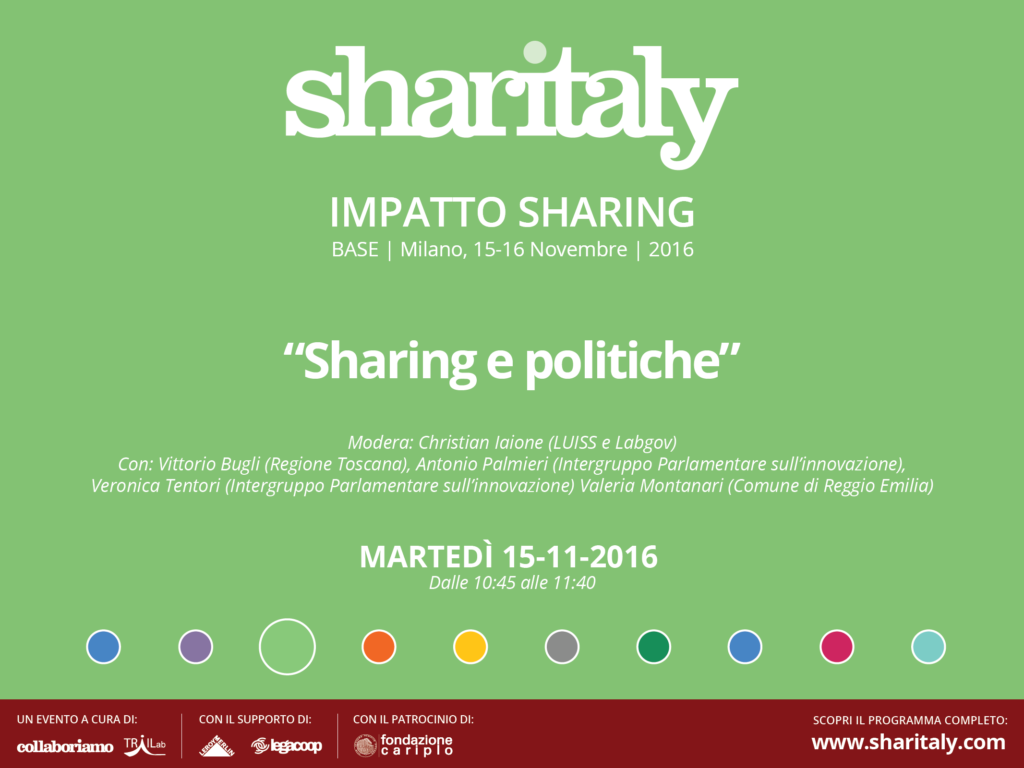
LagGov will be present at the event, where its co-founder Professor Christian Iaione will moderate the discussion on “Sharing and Politics”, discussion that will also see the participation of Vittorio Bugli (Tuscany Region), Nicola Danti (European Parliament), Valeria Montanari (Municipality of Reggio Emilia) Antonio Palmieri and Veronica Tentori (both members of the Parliamentary Intergroup on Innovation).
The complete program of the event and a list of speakers are available on the official website: http://sharitaly.com/
Tickets for the event are available and can be purchased here.
To discover more about the previous editions : 2013, 2014, 2015.
——————————–
Martedì 15 e mercoledì 16 Novembre a Milano si terrà la quarta edizione di Sharitaly, dal 2013 evento leader in Italia sull’economia della collaborazione. L’evento mira a promuovere il dibattito e lo scambio di pratiche favorendo la contaminazione tra comunità, piattaforme, amministrazioni e aziende, e in questa sua quarta edizione si concentrerà nello specifico sull’osservare la diffusione e l’impatto dell’economia collaborativa oggi in Italia.
Il programma completo dell’evento e una presentazione dei relatori che interverranno sono sono disponibili qui.