AWARE Stakeholder Engagement – Organizing the project participation to the Science Fair
 On March 24 and 25, 2026, within the framework of the AWARE project, two meetings were held in Puglia to prepare the project’s participation in the upcoming Science Fair, a scientific event to be held in Castellana Grotte on April 19,2026 and open to the local community.
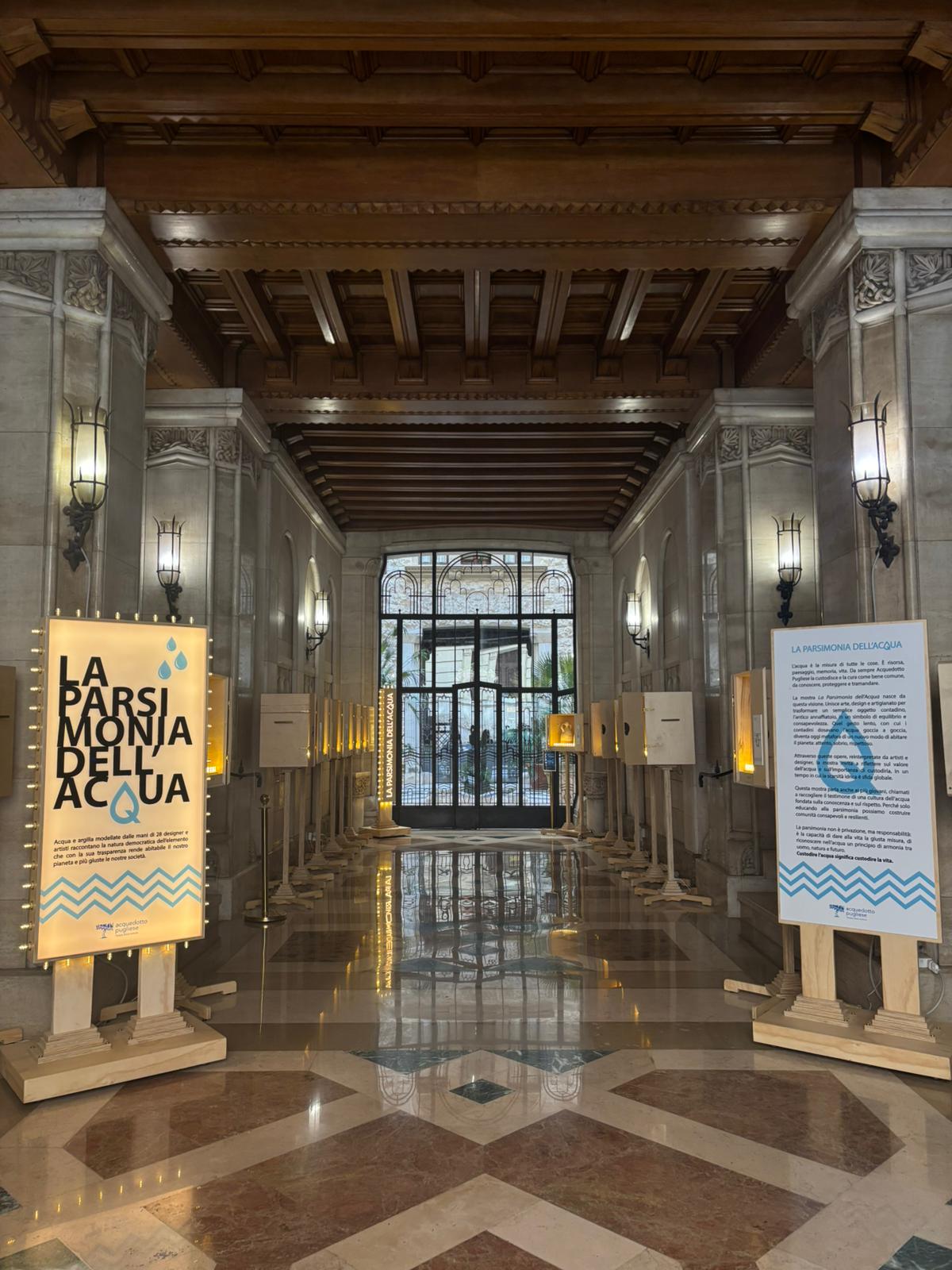
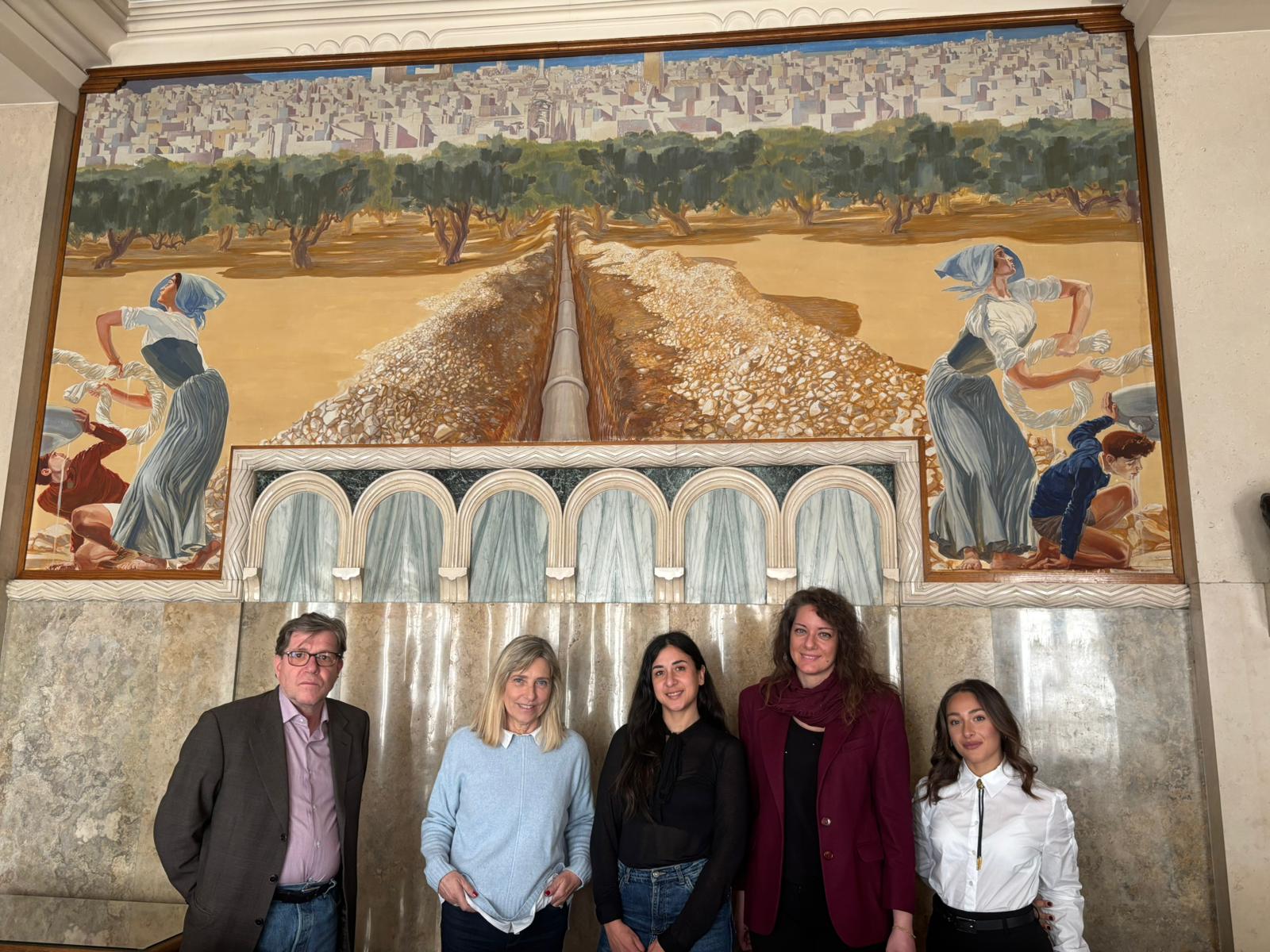
Arrived in Bari, the first meeting took place at the Palazzo dell’Acqua. It brought together representatives of LUISS University and LabGov, as partners of the AWARE project, together with Acquedotto Pugliese (AQP) and Autorità Idrica Pugliese (AIP), which participated as external institutional stakeholders. The discussion focused on how AWARE could be presented during the event and a central point of the exchange was the importance of AWARE’s presence at the event, not only to present the project to people already familiar with it, but also and especially to raise awareness among the wider local public. Participants discussed the possibility of framing AWARE through a narrative centered on water and sustainability, with the project presented as a concrete case study.The meeting also highlighted the importance of reflecting on the elements of replicability that have emerged around AWARE, as well as the usefulness of involving external technical actors such as Aquasoil and the University of Salento in the next steps.
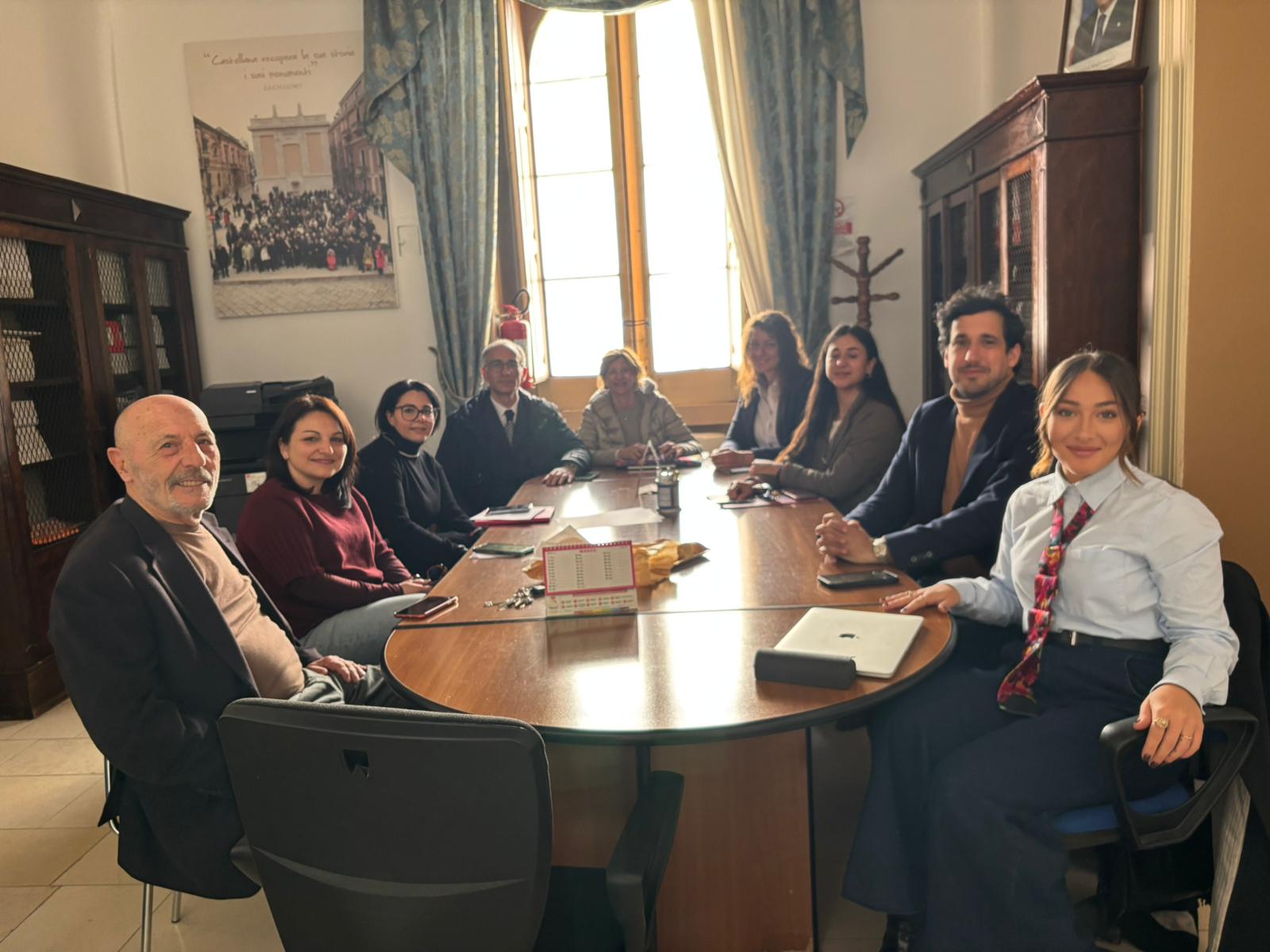
 On 25 March, the second meeting took place at the Municipality of CastellanaGrotte. It involved representatives of LUISS University and LabGov, again as project partners, together with Autorità Idrica Pugliese (AIP), IISS Luigi dell’Erba, Aquasoil, and the Municipality of Castellana Grotte, which took part as external stakeholders. This second exchange was pointed at concretely organizing AWARE’s presence during the Science Fair. Participants discussed the programme of the school’s Science Week and the public opening scheduled for April 19, 2026, when the school will open its spaces to the territory and present laboratories and multidisciplinary activities. In this context, the group explored the opportunity of setting up a dedicated AWARE exhibition space. Among the ideas, discussed were the presentation of the plant and its model, posters, research outputs, water samples, videos explaining how the system works, and the possible analysis of water from the plant in a dedicated laboratory. A particularly importantpoint that emerged was the need to make the AWARE space accessible to different audiences, stressing the importance of combining simple and more immediate communication tools for younger visitors with more detailed and in-depth materials for adults.
 Taken together, the two meetings represented an important step in aligning institutional, educational, and technical stakeholders around AWARE’s participation in the Science Fair as an event where awareness around the project can effectively be raised. They helped moving from a general intention to a more concrete reflection on contents, formats, audiences, and organizational needs, with the shared understanding that Castellana Grotte offers a particularly meaningful context to communicate the project beyond its already engaged actors and to open it up to the wider territory.