by Staff | Jul 5, 2026 | Aware
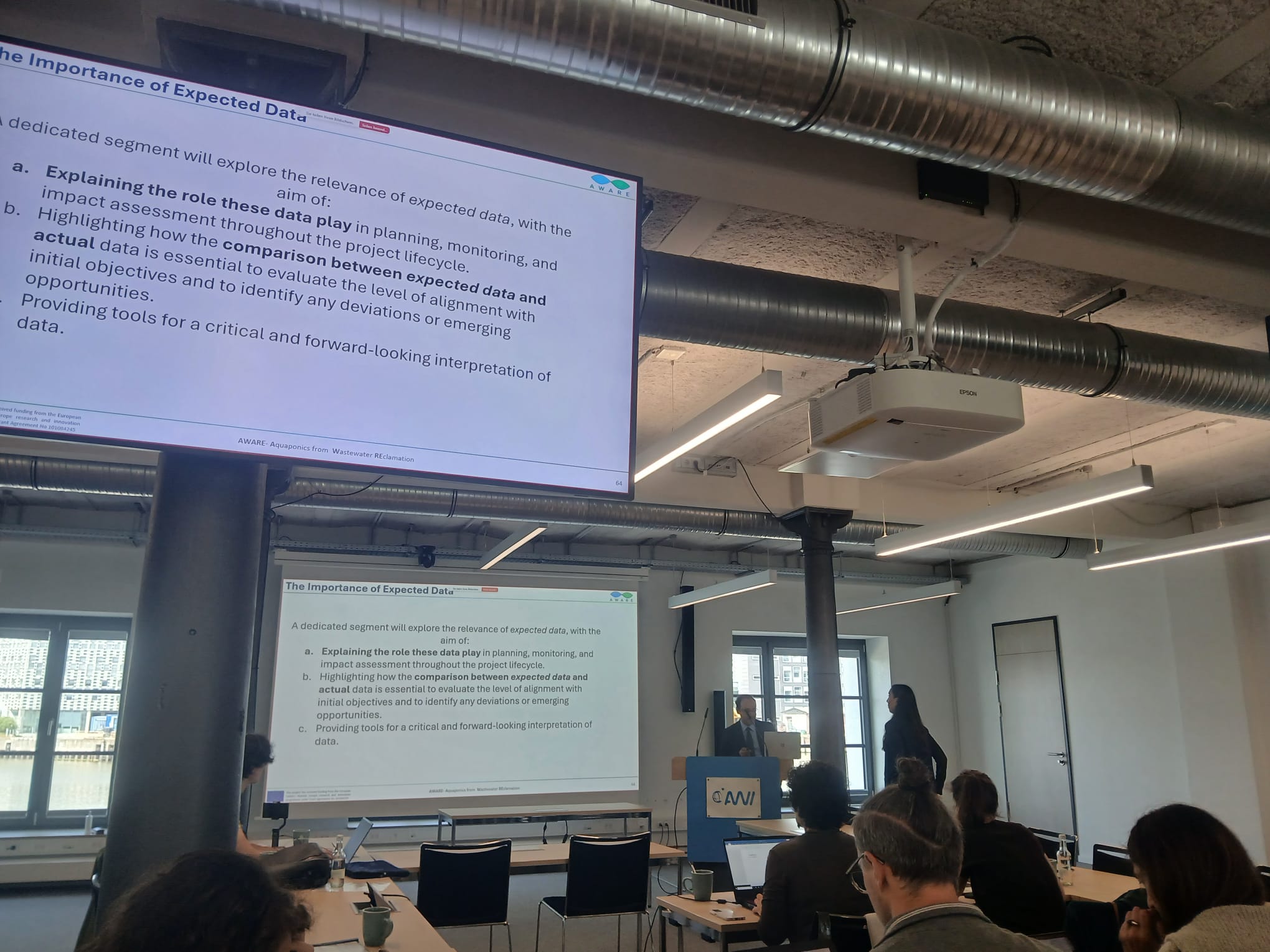
In Bremerhaven, the AQUAPONICS FROM WASTEWATER RECLAMATION project (AWARE, Project number: 101084245) held its 5th General Assembly on 17–18 June 2026.
Adriano Contardi (Luiss Guido Carli University), Fabrizio Maria Bertusi (Luiss Guido Carli University), and Guenda Esposito (LabGov ETS) presented their work on WP4 “Pathways to Impact Demonstration” and WP5 “Engagement and Outreach”. Prof. Christian Iaione (Principal Investigator, Luiss Guido Carli University) joined the meeting online.
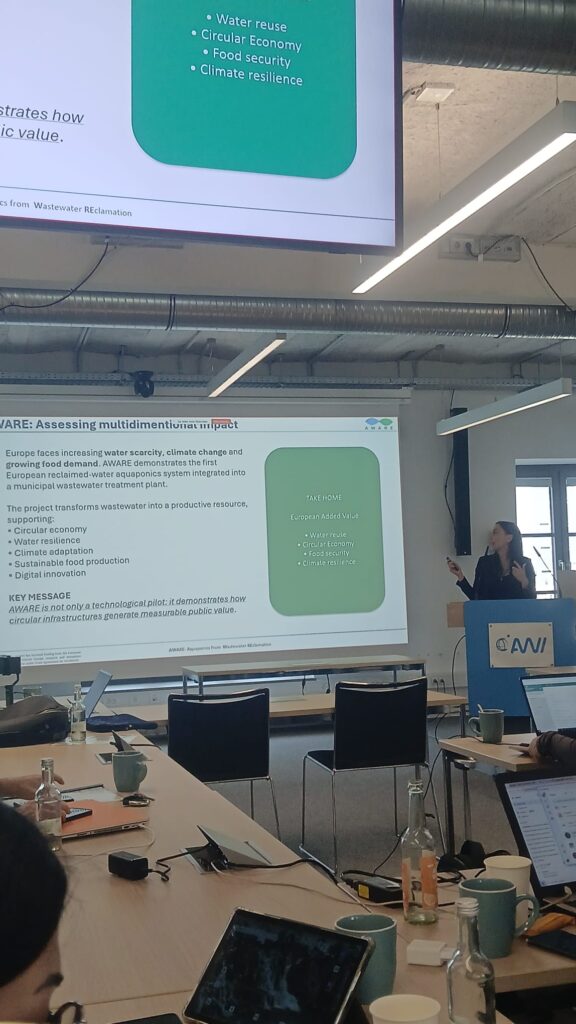
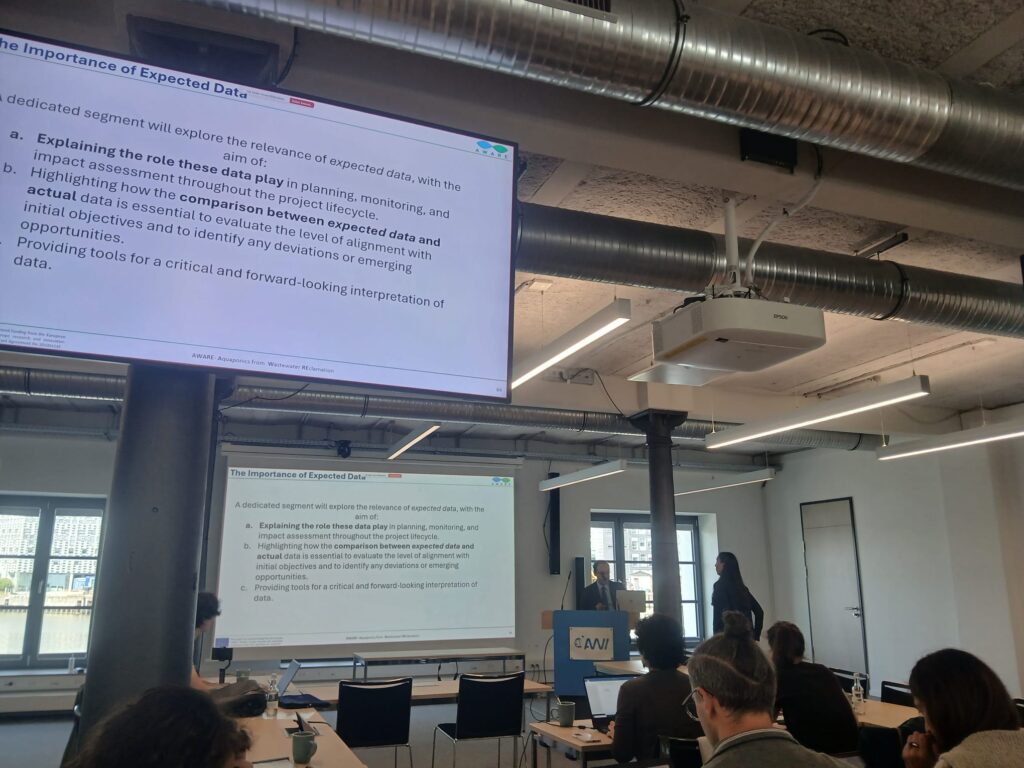
The WP4 presentation, delivered by the Luiss & LabGov team (Fabrizio Maria Bertusi, Guenda Esposito, Prof. Christian Iaione), outlines the project’s pathway to impact demonstration. AWARE is Europe’s first reclaimed-water aquaponics system integrated into a municipal wastewater treatment plant, transforming wastewater into a resource that supports the circular economy, water resilience, climate adaptation, sustainable food production and digital innovation.
To capture value beyond conventional economic indicators, the project adopts the JuSIIIIA tool, a ten-dimension assessment framework (economic, financial, health, environmental, technological, social/civil rights, institutional, territorial, educational/cognitive, and generational) that scores impact on a 1–5 scale and accounts for short-, medium-, and long-term effects.
The presentation concludes with JuSIIIIA 2.0, an evolution of the tool into an Infrastructure Impact Investment framework designed to support replication and evidence-based investment decisions across Europe.
The WP5 presentation, delivered by Adriano Contardi and Prof. Christian Iaione (Luiss Law School & LabGov), covers the work on Stakeholder Engagement and Regulatory Analysis.
On the stakeholder engagement side, it describes preparatory meetings in Bari and Castellana Grotte with Acquedotto Pugliese, Autorità Idrica Pugliese, local schools, and the Municipality, which led to AWARE consortium’s participation in the Science Fair in Castellana Grotte, and outlines next steps toward making Castellana Grotte part of the City Science Initiative— an EU Joint Research Centre’s initiative to build research–policy bridges in municipalities.
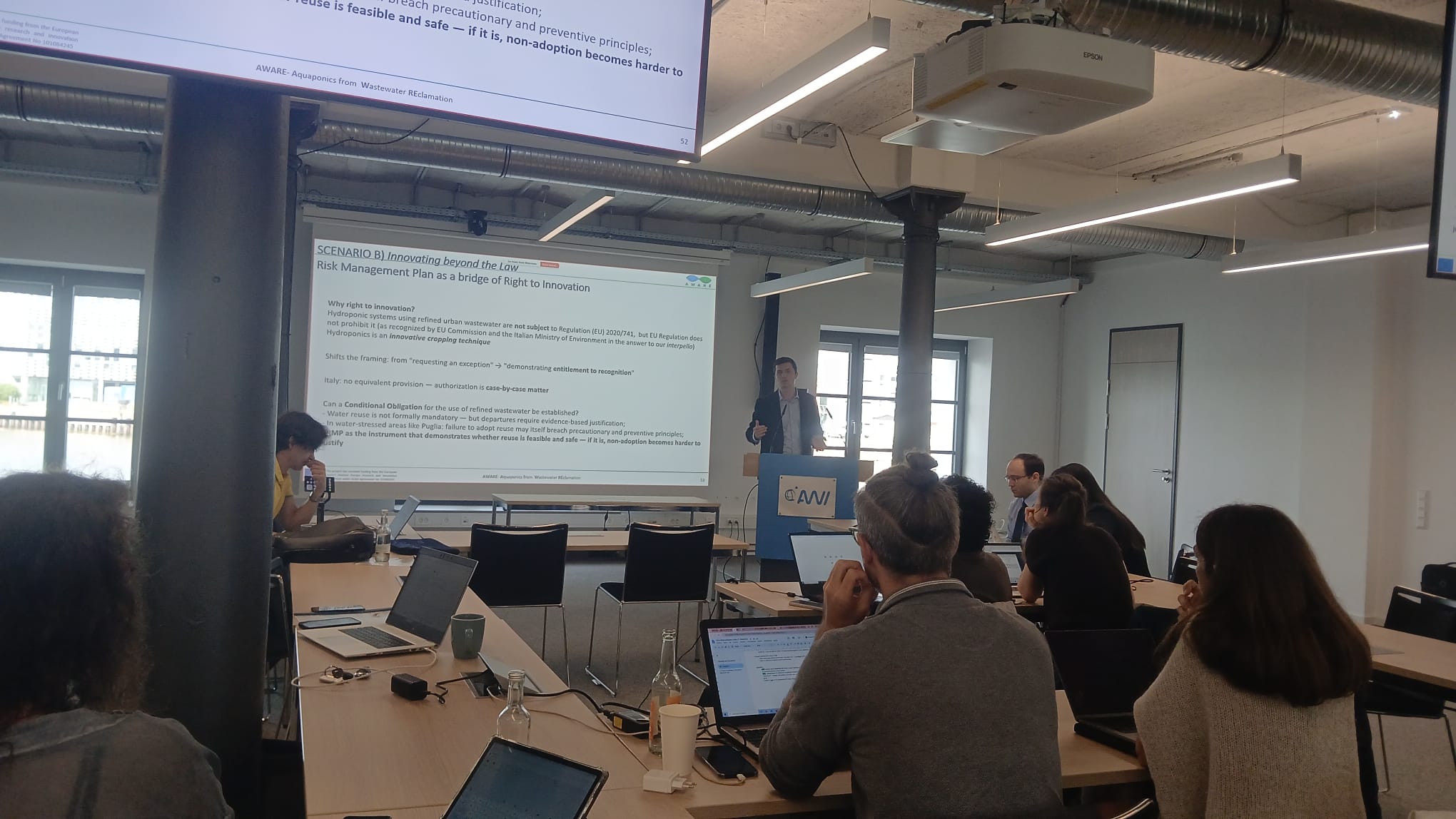
On the regulatory side, the presentation details an official inquiry (interpello) submitted to the Italian Ministry of Environment concerning whether hydroponic systems using refined wastewater qualify as agricultural irrigation reuse under EU Regulation 2020/741; the Ministry concluded, in line with the EU Commission, that such systems fall outside the Regulation’s scope. In any case, this “innovative cropping technique” is not prohibited. Starting from this answer, the presentation outlines two regulatory pathways for Italy: Scenario A, adapting the Spanish model, which allows reclaimed water for unlisted uses meeting authority-set quality standards, to the Italian context; and Scenario B, using a Risk Management Plan to support a “right to innovation” approach, arguing that in water-stressed regions like Puglia, failing to adopt water reuse could itself raise concerns under precautionary principles.
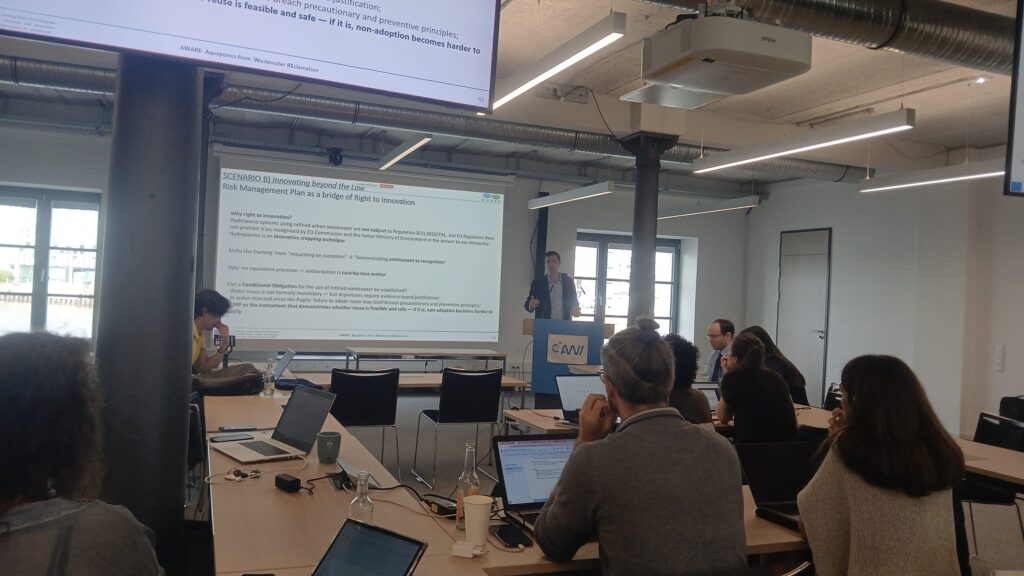
Thanks to Fabio Ugolini (Principal Investigator, AWARE) for the organization, and to the Alfred-Wegener-Institut, Helmholtz-Zentrum für Polar- und Meeresforschung, for the hospitality.

by Staff | Jun 22, 2026 | Aware

Il 26 maggio 2026 il progetto AWARE è stato protagonista di un servizio andato in onda su “GEO” – una delle principali trasmissioni della televisione nazionale italiana – portando all’attenzione del pubblico il dibattito in corso sul riuso dell’acqua.
Il servizio ha approfondito come l’acquacoltura e l’idroponica si stiano evolvendo grazie a nuove tecnologie e approcci sostenibili alla gestione delle risorse idriche, evidenziando gli obiettivi e la visione alla base di AWARE.
Il progetto è stato presentato da:
Prof. Christian Iaione (Luiss Guido Carli University)
Ing. Roberta Rana (Autorità Idrica Pugliese – AIP)
Prof. Gian Pietro Di Sansebastiano (Università del Salento)
Dott. Alessandro Sicuro (Università del Salento)
Dott. Sergio Mancini (AQUASOIL S.R.L.)
Dott.ssa Teresa Masi (AQUASOIL S.R.L.)
Un sentito ringraziamento alla redazione di GEO per aver dato visibilità ad approcci innovativi nel riuso dell’acqua e nella produzione alimentare sostenibile.
Dal trattamento delle acque reflue all’acquaponica, AWARE continua a esplorare come i sistemi circolari possano contribuire a costruire un futuro più sostenibile per il cibo e per l’acqua.

by Staff | Apr 21, 2026 | Aware, The Urban Media Lab
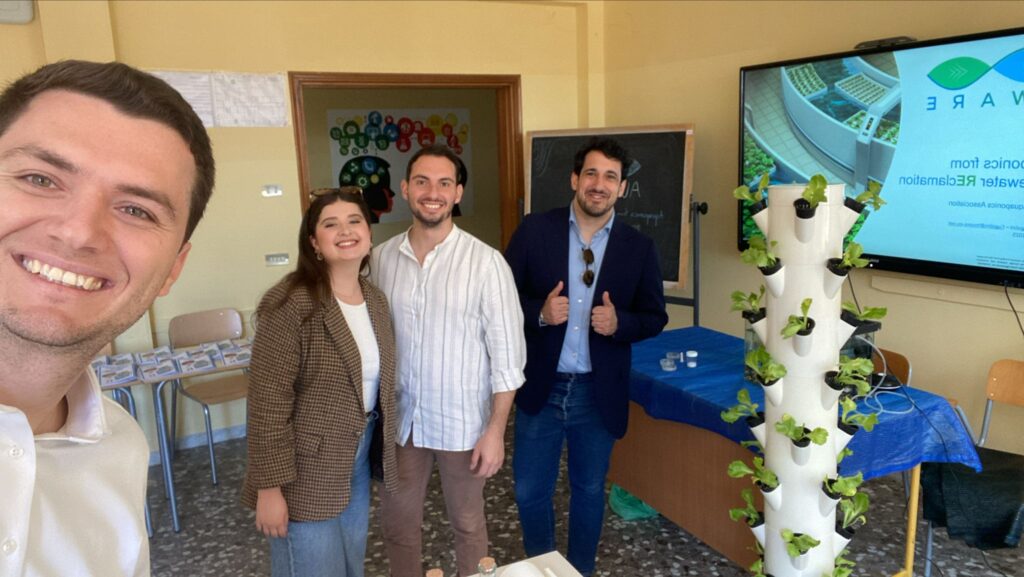
Il 19 aprile 2026 si è tenuta presso l’Istituto di Istruzione Secondaria Superiore “Luigi Dell’Erba” di Castellana Grotte (BA) la IX Edizione della Giornata della Scienza e della Tecnologia
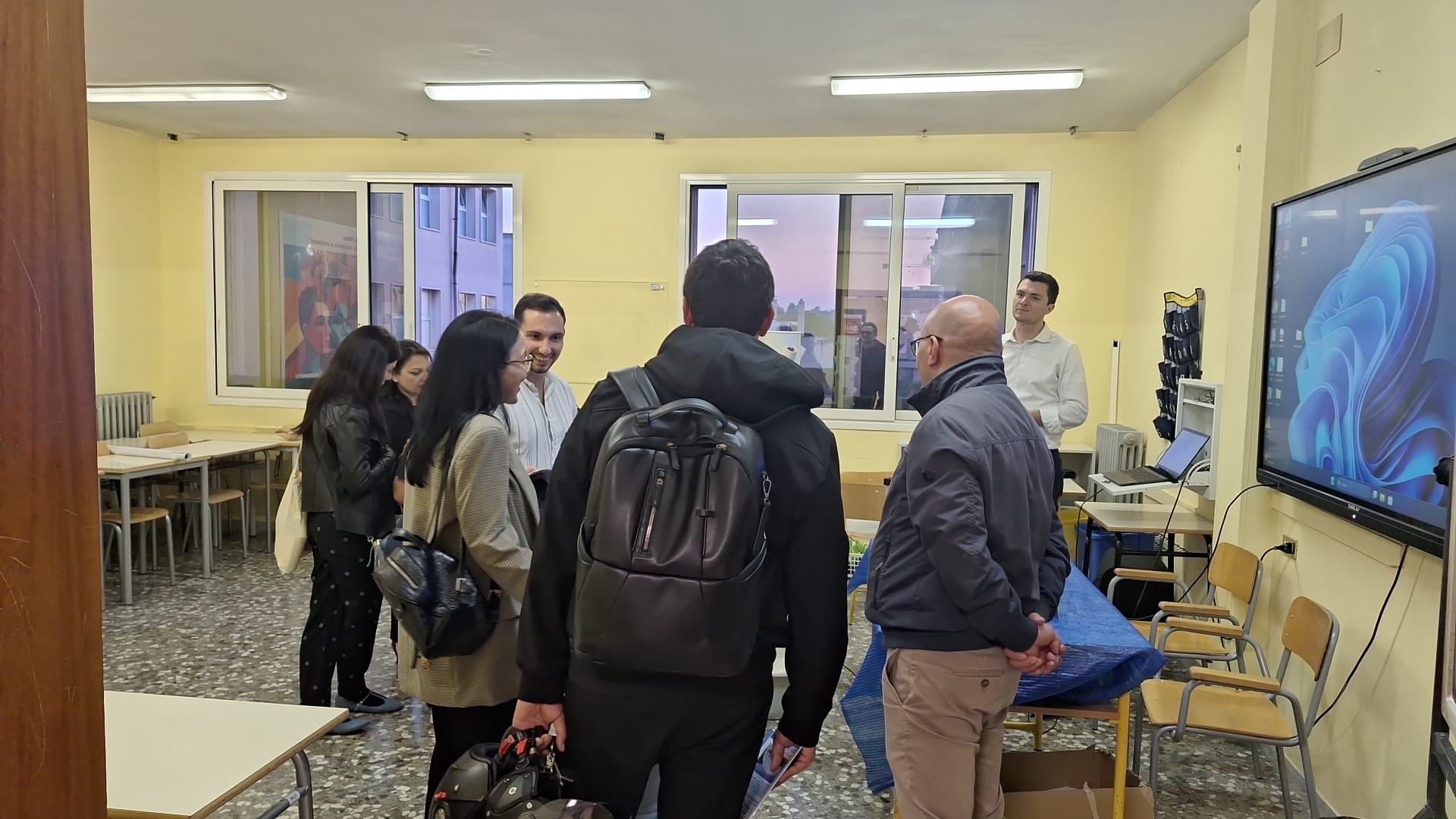
La giornata è stata accolta dall’intera comunità scolastica — e non solo — con grande interesse e viva partecipazione, rendendo l’evento un’occasione di grande valore per la diffusione della scienza e di arricchimento culturale e formativo per l’intero territorio.
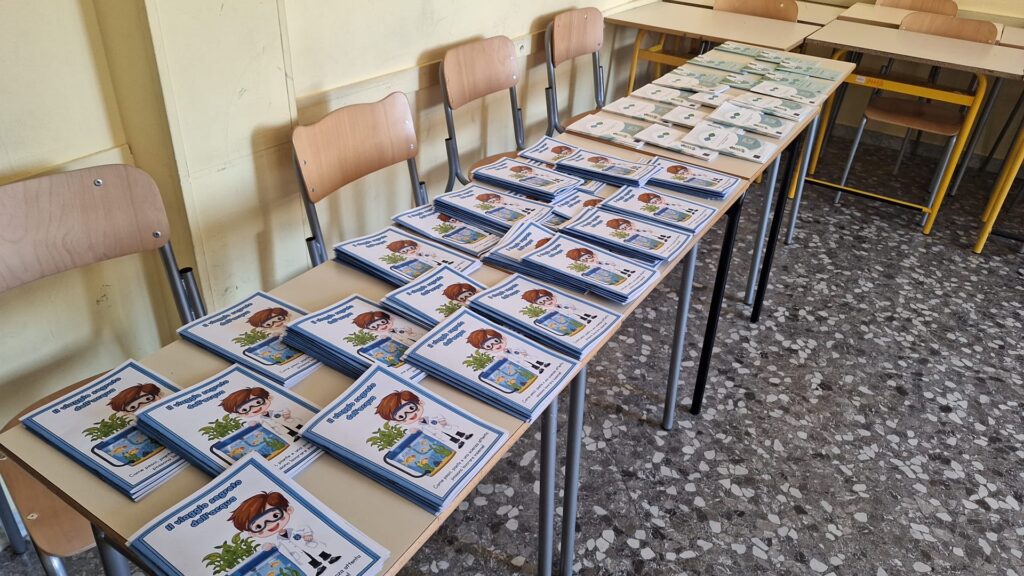
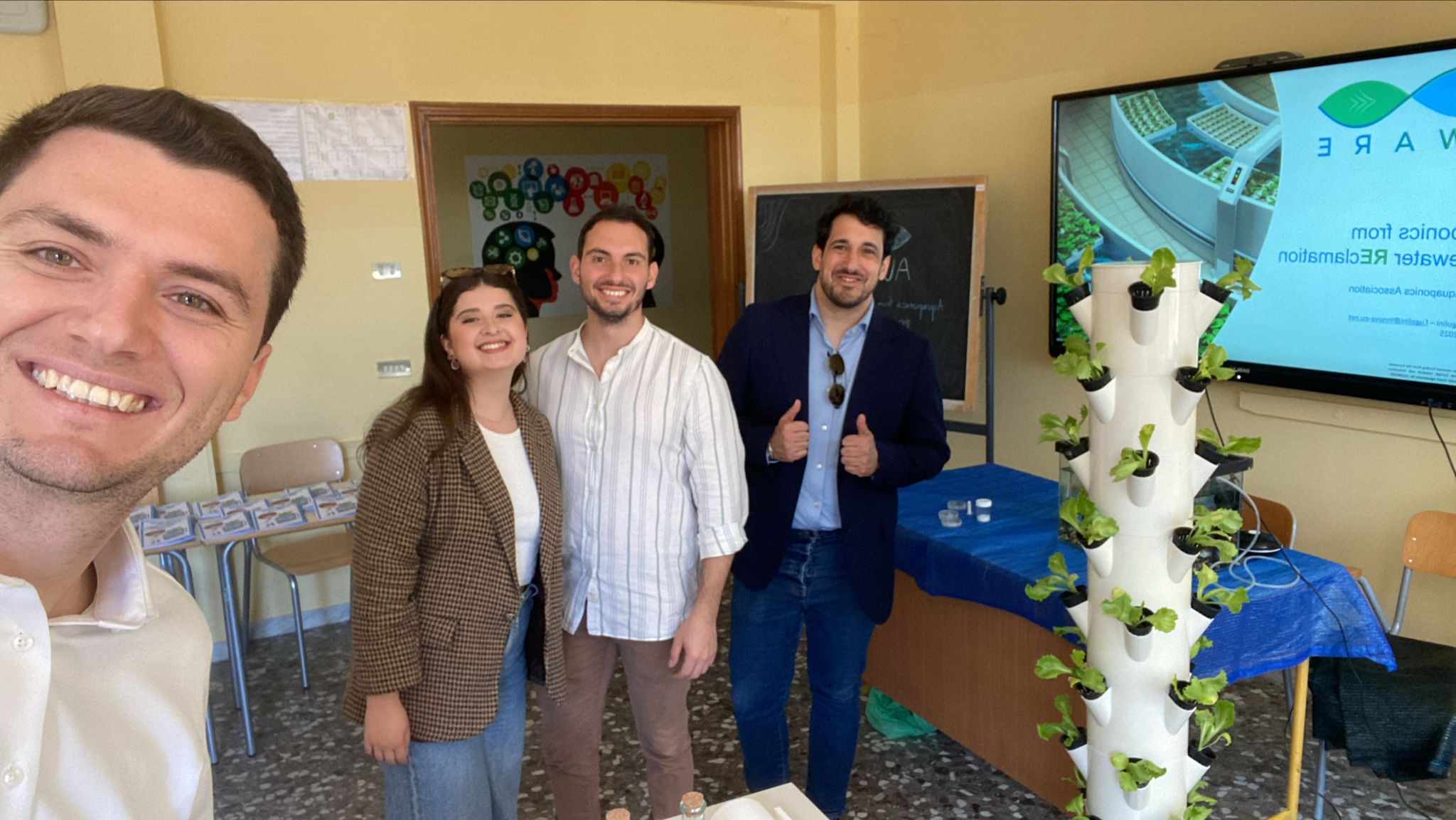
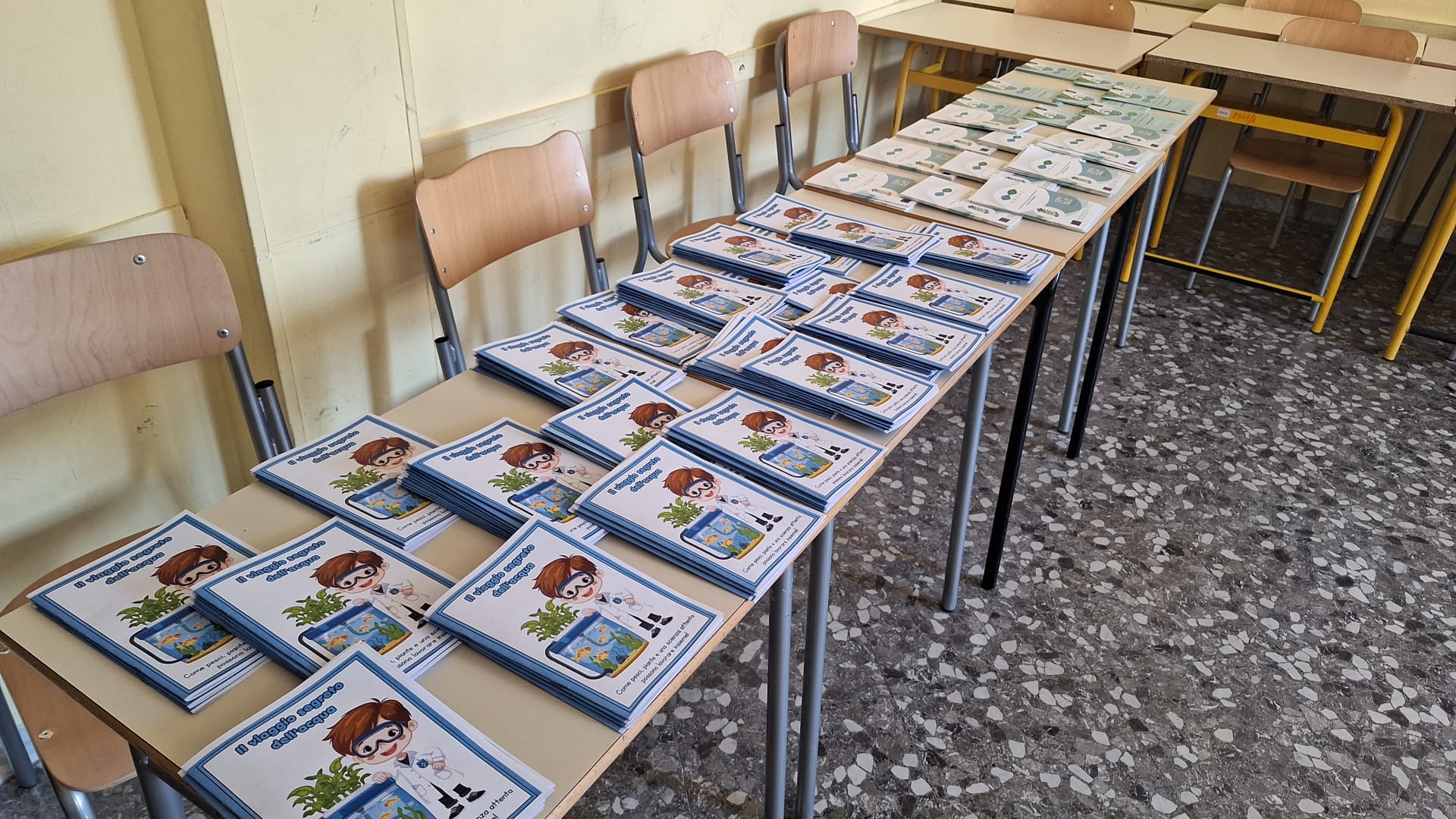
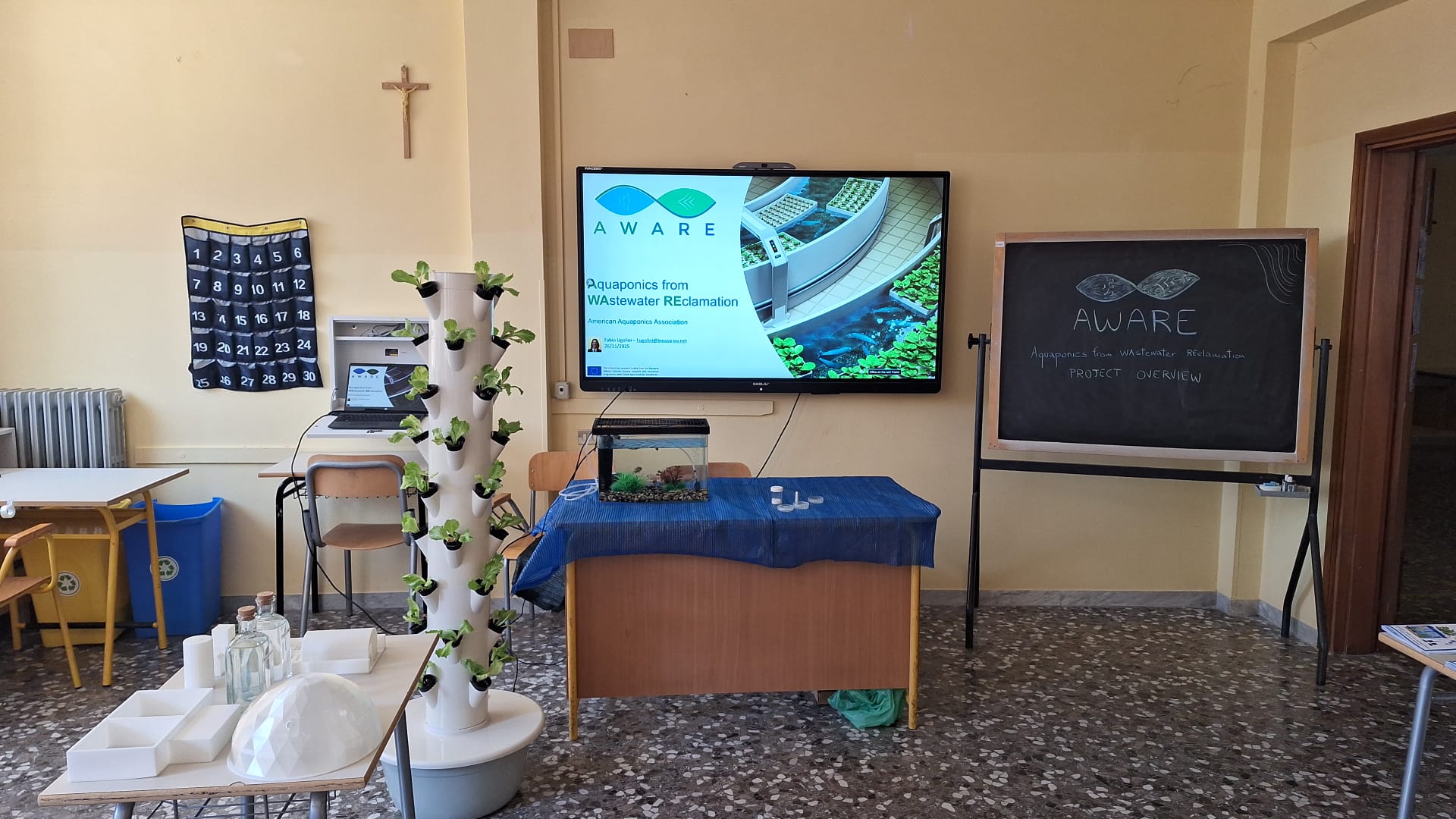
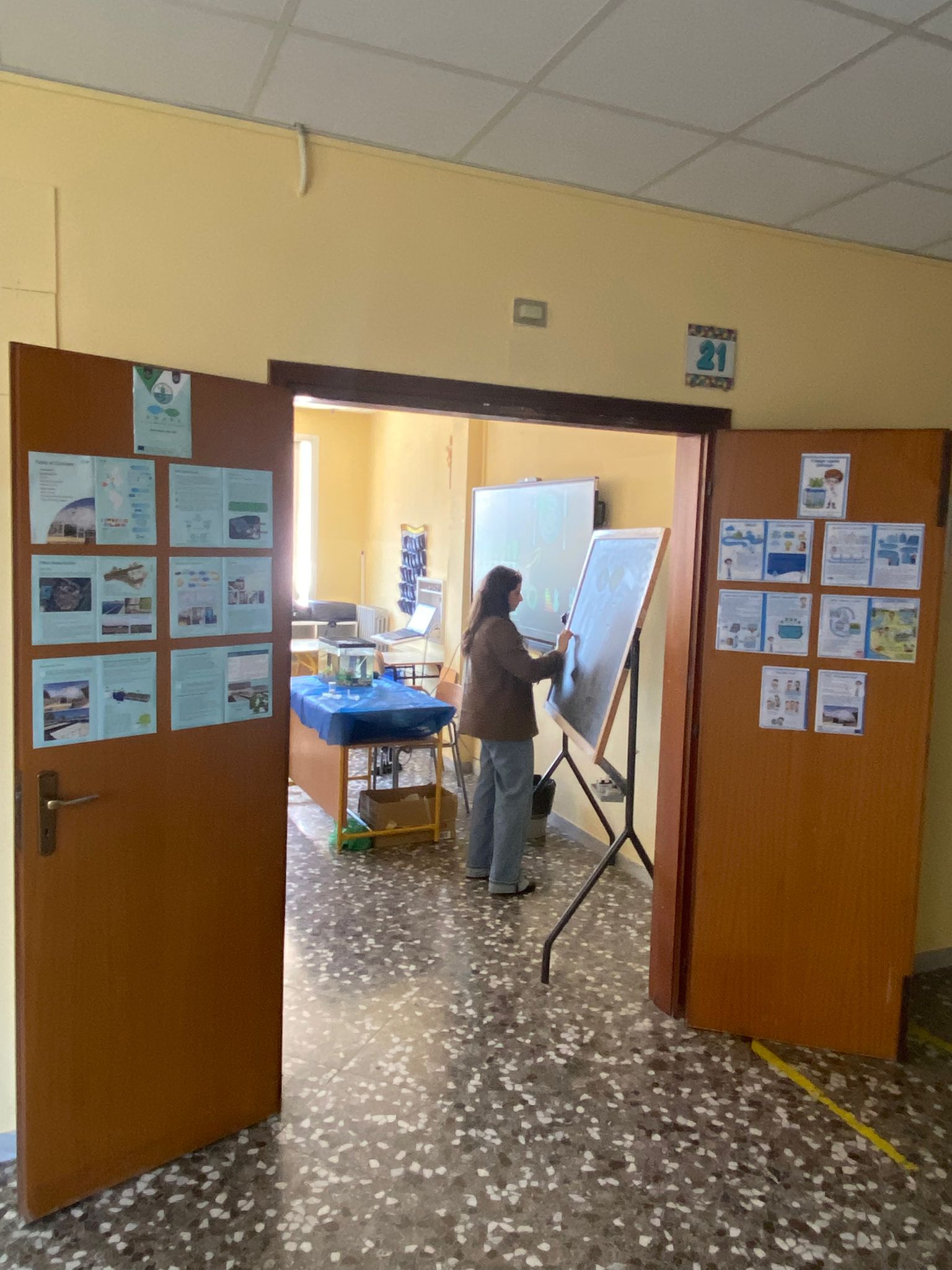
In particolare, nell’Aula 21 dell’Istituto è stato allestito un modellino dimostrativo che riproduceva il funzionamento del sistema acquaponico sviluppato nell’ambito del progetto AWARE (“Aquaponics from WAstewater Reclamation”) finanziato dal programma Horizon Europe.
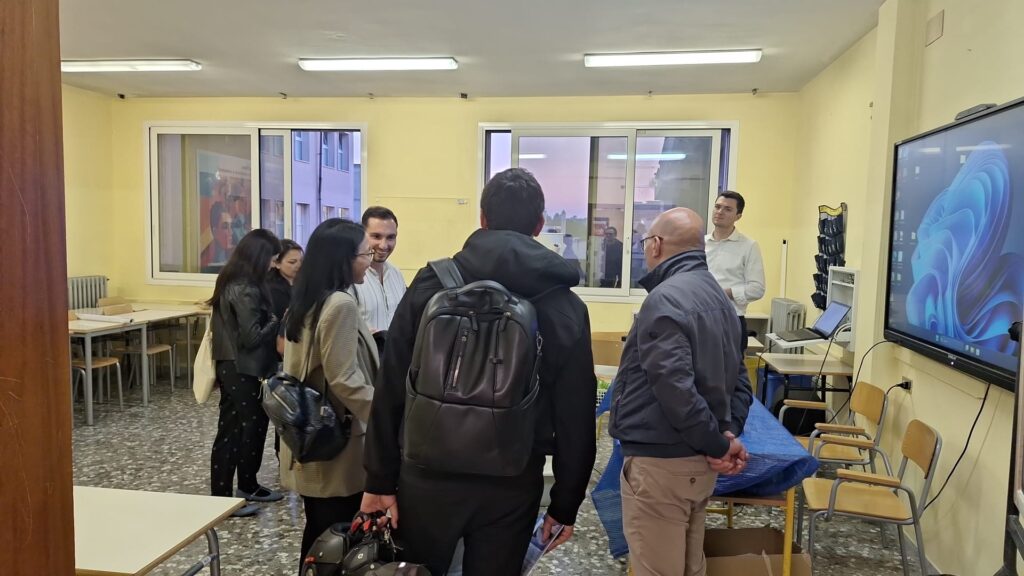
Sono stati presenti in rappresentanza del consorzio AWARE la dott.ssa Teresa Masi e Dott. Oronzo Santoro (AquaSoil s.r.l.), Dott. Alessandro Sicuro (Università del Salento), Ing. Roberta Rana (Autorità Idrica Pugliese), Dott. Mario Manna (Università LUISS Guido Carli) e il Dott. Adriano Contardi (LabGov ETS).
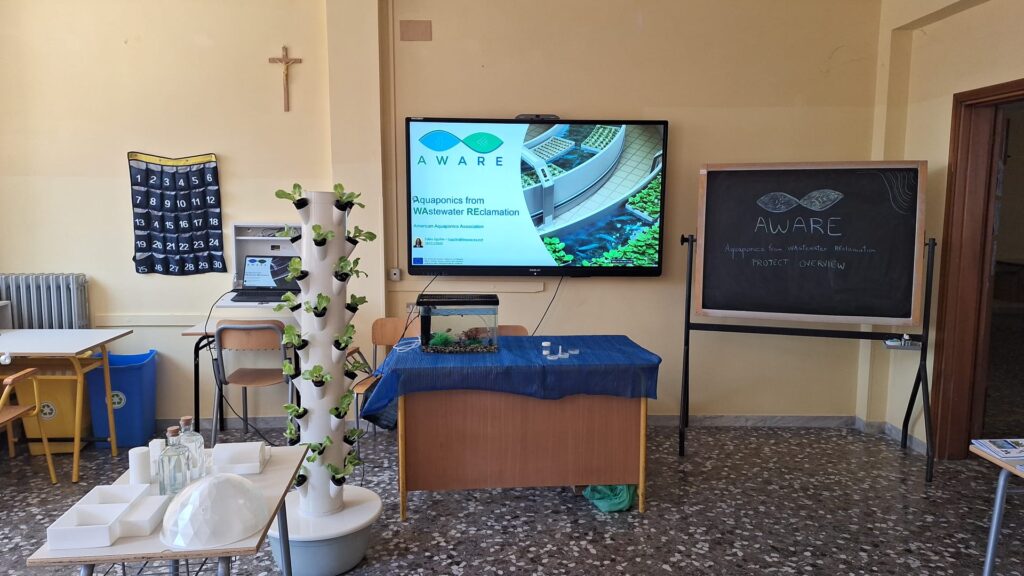
On April 19, 2026, the 9th Edition of the Science Fair was held at the “Luigi Dell’Erba” Secondary School Institute in Castellana Grotte (BA).
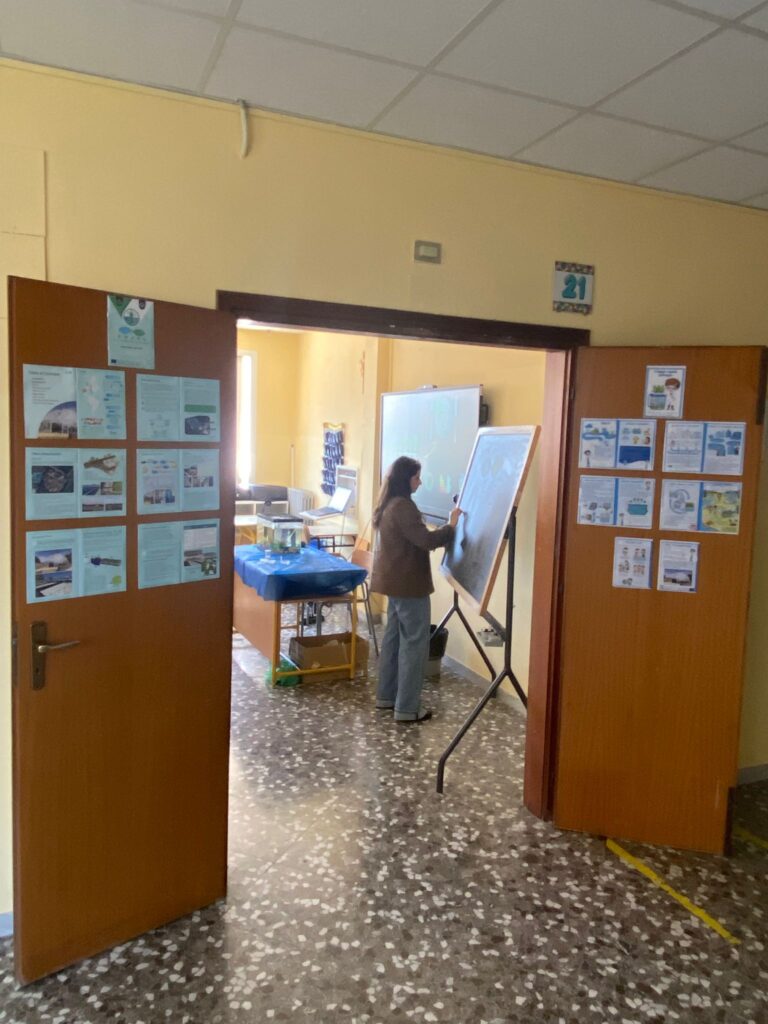 The event was welcomed with great interest and active participation by the entire school community, making it a valuable opportunity for the dissemination of science and for cultural and educational enrichment across the local area.In particular, in Classroom 21 of the Institute, a demonstration model was set up to reproduce the functioning of the aquaponic system developed within the project AWARE (“Aquaponics from WAstewater Reclamation”), funded by the Horizon Europe program.
On behalf of the AWARE consortium, there were Dr. Teresa Masi and Dr. Oronzo Santoro (AquaSoil s.r.l.), Dr. Alessandro Sicuro (University of Salento), Eng. Roberta Rana (Apulian Water Authority), Dr. Mario Manna (LUISS Guido Carli University), and Dr. Adriano Contardi (LabGov ETS).
by gionolfi | Apr 14, 2026 | Aware, The Urban Media Lab
On March 24 and 25, 2026, within the framework of the AWARE project, two meetings were held in Puglia to prepare the project’s participation in the upcoming Science Fair, a scientific event to be held in Castellana Grotte on April 19,2026 and open to the local community.
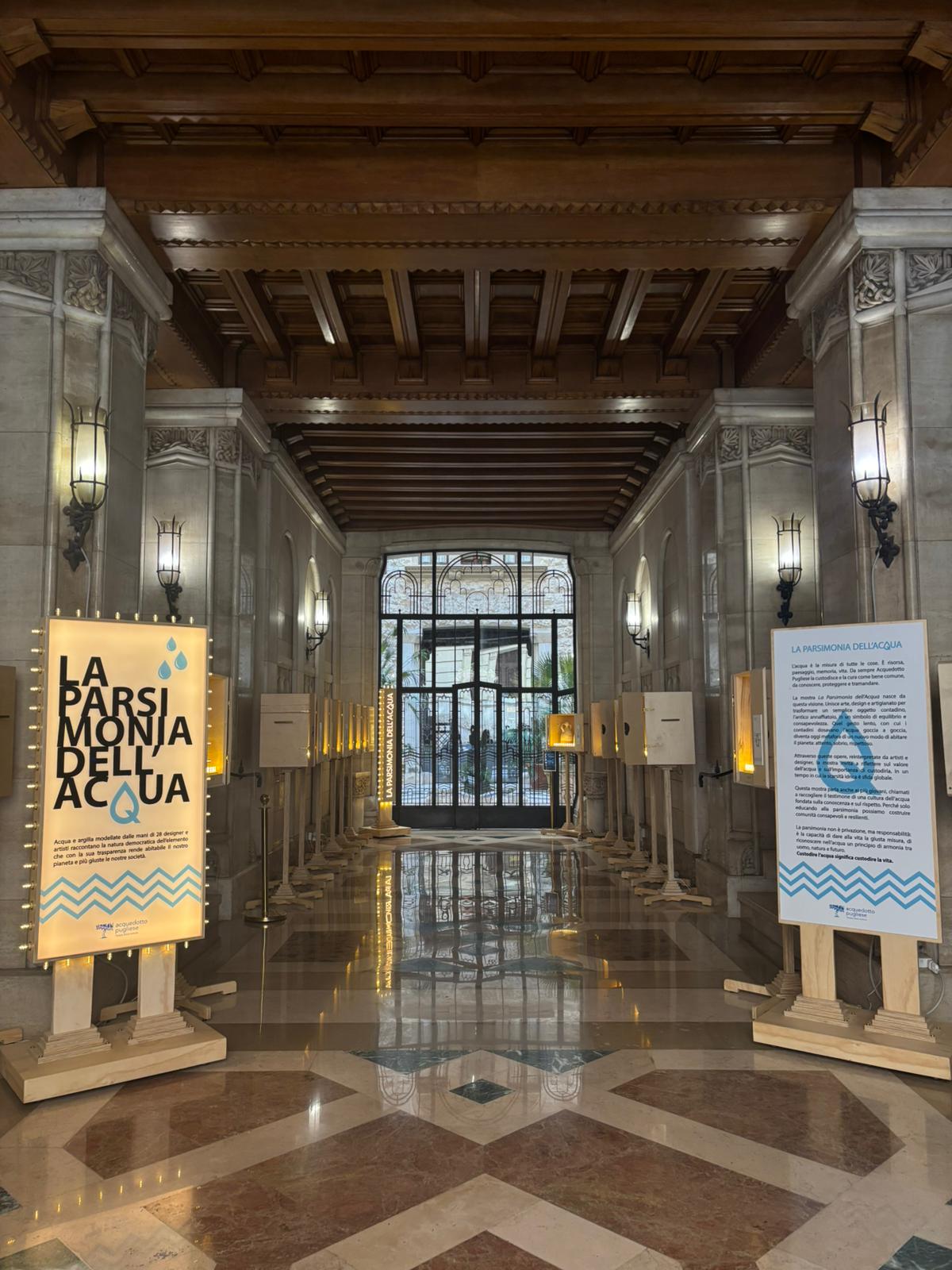
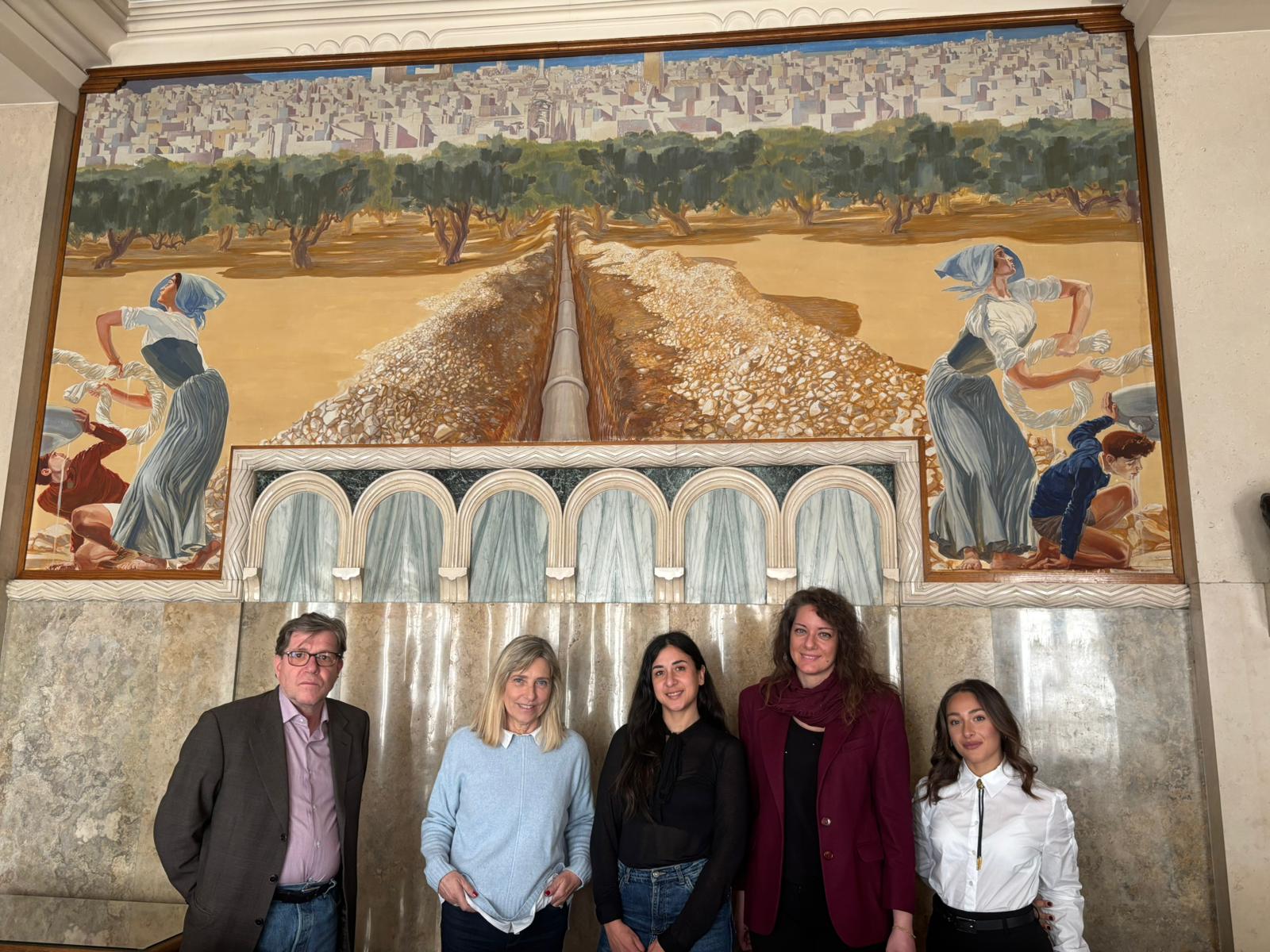
Arrived in Bari, the first meeting took place at the Palazzo dell’Acqua. It brought together representatives of LUISS University and LabGov, as partners of the AWARE project, together with Acquedotto Pugliese (AQP) and Autorità Idrica Pugliese (AIP), which participated as external institutional stakeholders. The discussion focused on how AWARE could be presented during the event and a central point of the exchange was the importance of AWARE’s presence at the event, not only to present the project to people already familiar with it, but also and especially to raise awareness among the wider local public. Participants discussed the possibility of framing AWARE through a narrative centered on water and sustainability, with the project presented as a concrete case study.The meeting also highlighted the importance of reflecting on the elements of replicability that have emerged around AWARE, as well as the usefulness of involving external technical actors such as Aquasoil and the University of Salento in the next steps.
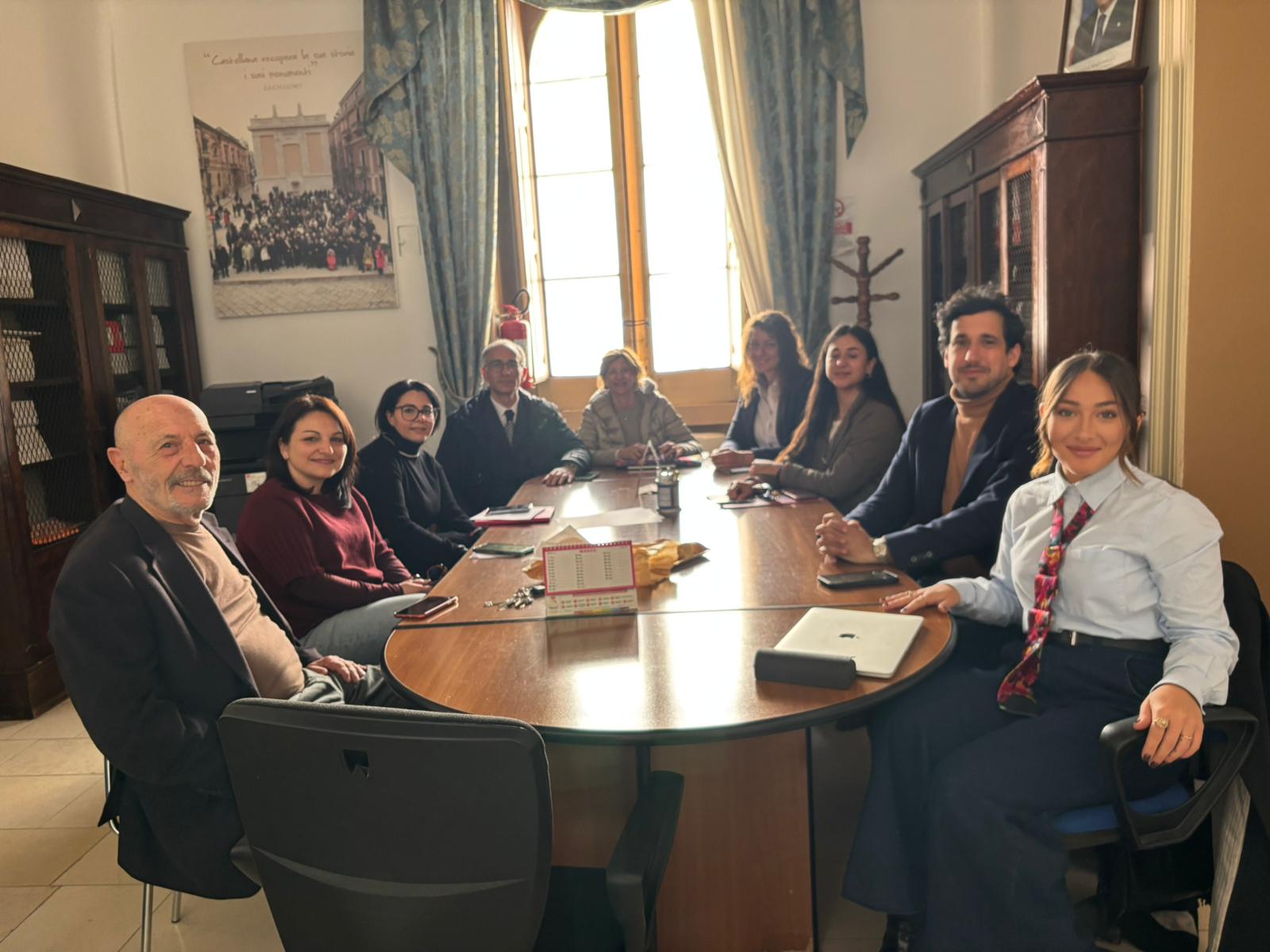
 On 25 March, the second meeting took place at the Municipality of CastellanaGrotte. It involved representatives of LUISS University and LabGov, again as project partners, together with Autorità Idrica Pugliese (AIP), IISS Luigi dell’Erba, Aquasoil, and the Municipality of Castellana Grotte, which took part as external stakeholders. This second exchange was pointed at concretely organizing AWARE’s presence during the Science Fair. Participants discussed the programme of the school’s Science Week and the public opening scheduled for April 19, 2026, when the school will open its spaces to the territory and present laboratories and multidisciplinary activities. In this context, the group explored the opportunity of setting up a dedicated AWARE exhibition space. Among the ideas, discussed were the presentation of the plant and its model, posters, research outputs, water samples, videos explaining how the system works, and the possible analysis of water from the plant in a dedicated laboratory. A particularly importantpoint that emerged was the need to make the AWARE space accessible to different audiences, stressing the importance of combining simple and more immediate communication tools for younger visitors with more detailed and in-depth materials for adults.
 Taken together, the two meetings represented an important step in aligning institutional, educational, and technical stakeholders around AWARE’s participation in the Science Fair as an event where awareness around the project can effectively be raised. They helped moving from a general intention to a more concrete reflection on contents, formats, audiences, and organizational needs, with the shared understanding that Castellana Grotte offers a particularly meaningful context to communicate the project beyond its already engaged actors and to open it up to the wider territory.
by Mohtas Anwar Modier | Jan 20, 2026 | Aware
AWARE Project Update – Advancing aquaponic solutions for climate-resilient food systems.
Mohtas Modier | Research Fellow at LabGov
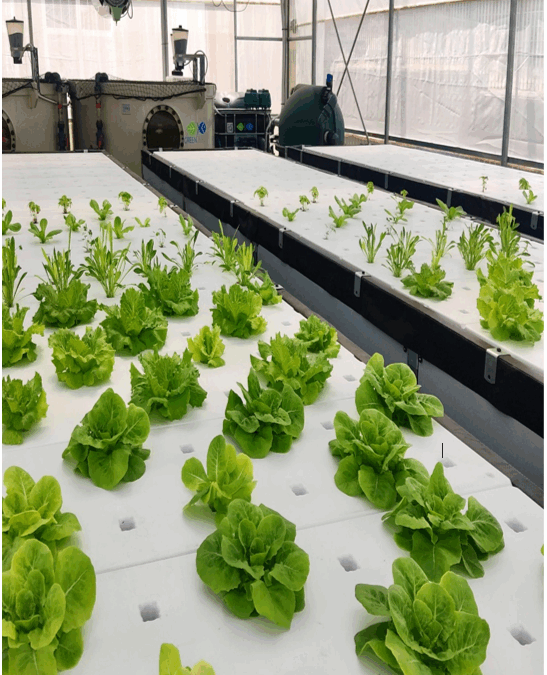
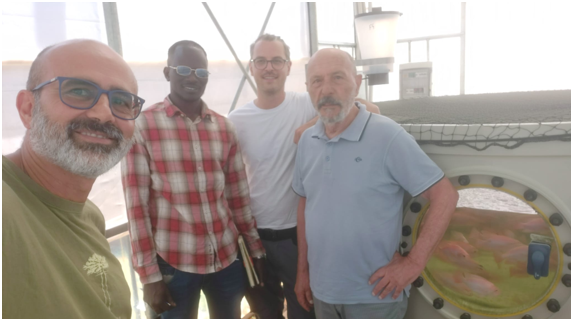
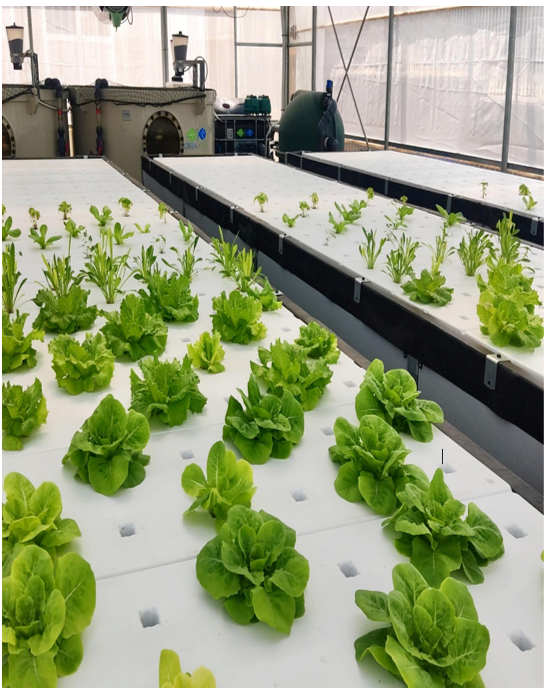
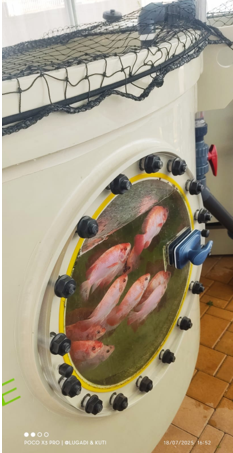
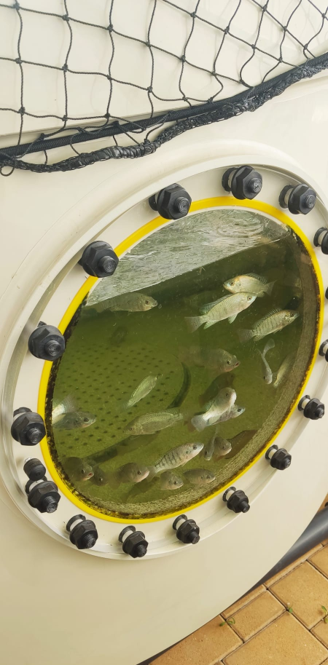
On the 7th of September 2025, I had the opportunity to attend an inspiring training session at Castellana Grotte, led by partner Loïc Le Gouëff, chief engineer at Green in Blue, focusing on the large-scale recirculation aquaponic system developed by Green in Blue for the AWARE project. This innovative approach is designed to combat climate change by integrating fish and vegetable production while reusing wastewater in a sustainable loop.
During the training, I had the privilege of engaging with a diverse group of individuals, including Aquasoil staff, where the plant is located, and Professor Gian Pietro di Sansebastiano of Salento University, both of whom are affiliated with the AWARE partnership.
Furthermore, I had the opportunity to interact with Loïc Le Gouëff, the chief engineer and trainer from Green in Blue.
This experience proved to be highly valuable as I collaborated with such esteemed professionals within the field.
Training Highlights.
The session provided detailed insights into:
- Fish Care Protocols – maintaining optimal health and nutrition for aquatic species.
- System Monitoring – methods for tracking system performance, ensuring water quality, and identifying early signs of imbalance.
- Environmental Regulation – understanding daily, weekly, and monthly operational checks to ensure optimal growing conditions for both fish and plants.
- Plant care protocols include giving the fertilizer schedule, pest control, and watering tips, and from Greenhouse, it shares best practices from university or EU protocol inspection routines, disease prevention, etc.[1]
This training has deepened the team’s technical knowledge and strengthened its capacity for operating and maintaining large-scale aquaponic facilities.
This hands-on experience has deepened my understanding of how aquaponics can be scaled for both food production and climate resilience.
Furthermore, I would like to articulate that this period can be characterised as one in which technology enthusiasts intersect with an individual who shares a profound enthusiasm for innovation.
Prototyping in Progress.
We have also begun prototyping vegetable planting in collaboration with Professor Gian Pietro Di Sansebastiano of the University of Salento, also a partner to the AWARE project, experimenting with optimal growth conditions within the integrated system. It is exciting to see theory come to life in practice.
So far, progress has been promising. Each session boosts my confidence in my skills, increasing my familiarity with the system and strengthening my connection to the project’s mission.
Next steps: Include continuing to refine the prototype, expanding the project’s datasets, and sharing our findings to encourage others to join the movement for climate-resilient food systems.
The lessons learned at the plant will directly contribute to optimising the system and transferring knowledge within the AWARE network.
The Green in Blue system represents a significant step toward achieving climate resilience, food security, and resource efficiency, key pillars of the AWARE Project.
Outcomes: The outcomes encompass the cultivation of safe-to-consume fish and vegetables through sustainable and environmentally responsible practices by conducting accurate food safety trials to ensure compliance with national and international health and agricultural standards.
The project will implement a comprehensive educational and outreach program designed to inform the community about food safety practices and promote awareness of sustainable farming. Techniques, and engage stakeholders in meaningful dialogue and reciprocal exchange of knowledge.
Furthermore, the project aims to influence and shape future regulations related to food production and safety, ensuring that they are grounded in scientific evidence and best practices to protect public health and the environment.[2]
[1] https://eu-cap-network.ec.europa.eu/projects/good-practices-self-controlled-and-sustainable-management-ornamental-nurseries-autofitoviv_de?utm_source=chatgpt.com
[2] Rao, Madhura Ramchandra. “Safe and sustainable valorisation of food waste in the european union: Reconciling public ambitions with private interests.” (2023).

by Mohtas Anwar Modier | Nov 13, 2025 | Aware
AWARE STAKEHOLDER ENGAGEMENT AT CASTELLANA GROTTE.
 Mohtas Modier | Research Fellow at LabGov
Date: November 13, 2025
EXECUTIVE SUMMARY.
The AWARE Project Bootcamp held at Castellana Grotte Secondary School marked a pivotal moment in the advancement of sustainable water practices. This dynamic event drew the interest of both eager students and passionate educators, all gathering under the inspiring theme “Smart Water Use for a Sustainable Future.”
As the bootcamp opened, participants were warmly welcomed by the host, whose enthusiastic introduction set the tone for a day filled with discovery and innovation. They provided a comprehensive overview of the AWARE Project, an initiative dedicated to cultivating creative solutions for water reuse and promoting sustainability in local communities.
To stimulate engagement and foster connections among participants, an interactive icebreaker activity was introduced. This thought-provoking exercise encouraged attendees to reflect critically on the journey of water after it leaves their homes, prompting meaningful discussions about personal responsibility and collective action towards water conservation. This foundational context paved the way for deeper conversations and collaborative ideation in the sessions that followed.
Turning Wastewater into a Resource.
Mohtas Modier, an enthusiastic intern with the AWARE Project, recently delivered a detailed and insightful presentation on the increasingly important topic of reclaimed wastewater. With clarity and passion, he explained the sophisticated processes involved in treating this valuable resource, emphasizing how it can be effectively and safely repurposed for use in both agricultural and aquacultural practices.
His presentation also spotlighted the AWARE pilot plant, situated in the picturesque town of Castellana Grotte. This facility serves as a testament to the project’s innovative approach and its commitment to enhancing water management strategies within the region. Mohtas outlined the pilot plant’s practical applications, showcasing its potential to revolutionize local water practices and contribute to sustainable resource management in the face of growing environmental challenges.
Case Study: Fish and Lettuce from Reclaimed Water.
A comprehensive case study was conducted, showcasing a pioneering integrated system that harmoniously blends fish farming with lettuce cultivation. This innovative model serves as a striking example of sustainable food production, highlighting the multifaceted environmental and economic advantages tied to the efficient reuse of water. Participants were actively encouraged to appreciate the synergistic relationship that exists between these two agricultural practices, recognizing how their collaboration not only boosts productivity but also enhances the health of local ecosystems. By intertwining aquatic life with terrestrial crops, this initiative fosters a balanced and resilient agricultural framework, showcasing the potential for greener farming solutions.
Internship Experience
Mohtas captivated his audience as he shared valuable insights from his enriching experience as an AWARE intern. He elaborated on the skills he has cultivated, particularly emphasizing the significance of teamwork and sustainability planning. His compelling narrative struck a chord with the students, highlighting the critical need to involve young minds in conversations about water reuse and green innovation. With passion and enthusiasm, he inspired his peers to embrace proactive roles as advocates for sustainable practices in their communities, encouraging them to become ambassadors for positive change in fostering a more sustainable future.
Interactive Session / Mini Workshop
The event showcased a dynamic and interactive session where participants eagerly collaborated, pooling their knowledge and creativity to devise innovative plans for launching their own “eco-smart farms.” Divided into small groups, they engaged in spirited discussions, exploring localized strategies aimed at conserving and reusing water. This collaborative atmosphere sparked a flurry of inventive ideas, each intricately tailored to the unique environmental contexts of their respective communities, illuminating pathways toward sustainable farming practices that harmonize with nature.
CONCLUSION
The bootcamp culminated in a lively and dynamic interactive question-and-answer session, which offered participants a valuable platform to voice their thoughts and seek clarity on the various topics explored throughout the event. The enthusiastic reception of the invitation to tour the AWARE plant underscored the project’s deep commitment to fostering education and community engagement. As the event drew to a close, participants departed with a powerful and memorable insight: “Every drop counts. Innovation starts with awareness.” The AWARE Project Bootcamp successfully sparked interest and ignited meaningful dialogue surrounding the critical issue of water sustainability, inspiring the next generation to embrace their role as stewards of our precious water resources.