by Staff | Jan 23, 2026 | News
Just Sustainable Innovation: From Governance and Regulatory Experimentalism to Impact Development and Investments
Source: Fabioha on Unsplash
How can innovation be governed, regulated, and financed in order to address contemporary climate, social, technological and other crises, unfolding in specific territories, while ensuring fair and inclusive outcomes? This question lies at the core of the Special Issue “Just Sustainable Innovation: From Governance and Regulatory Experimentalism to Impact Development and Investments”, published in the Italian Journal of Public Law, Vol. 17, Issue 3/2025. Edited by Christian Iaione, Anna Berti Suman, and Mario Manna — respectively Full Professor of Public and Administrative Law and Postdoctoral Researchers in Law and at Luiss Guido Carli University, respectively — the Special Issue develops the concept of Just Sustainable Innovation as a framework to orient innovation toward justice, sustainability, and societal benefit. The Special Issue is available in Open Access at this link.
By combining legal analysis, policy-oriented inquiry, and empirical case studies drawn from different sectors and geographical contexts, the contributions collected in this Special Issue explore two main dimensions: governance and regulatory experimentalism, on the one hand, and impact development and investments, on the other. The Special Issue examines collaborative governance models, multi-stakeholder partnerships, experimental regulatory tools, and innovative financial mechanisms capable of steering innovation toward measurable social, environmental, and territorial impacts, with particular attention to vulnerable communities.
The Special Issue offers relevant insights for policymakers, researchers, legal scholars, and civil servants, as it provides analytical and operational guidance on how law, regulation, governance, and investment frameworks can be designed to foster innovation that is not only sustainable, but also just, inclusive, and capable of generating long-term societal value.

by Staff | Jan 22, 2026 | News
🚀 🛰️ L’innovation Procurement nel Settore Aerospaziale come Strategic Procurement: la Space Economy e il Downstream Spaziale per lo Sviluppo dei Territori 🚀 🛰️

Fonte: Nasa su Unsplash
📘 Pubblicato in Rivista Giuridica dell’Edilizia, fasc. 5/2025, l’articolo frutto della ricerca congiunta e della riflessione condivisa di:
👨🏫 Christian Iaione (Professore ordinario di diritto amministrativo presso l’Università Luiss Guido Carli, nonché co-fondatore e co-direttore di LabGov ETS)
👨🔬 Antonio Persico (Assegnista di ricerca Luiss Guido Carli – LabGov ETS).
🔍 Gli autori analizzano come la contrattazione pubblica possa stimolare l’innvoazione nel contesto della Space Economy, nell’ottica della diffusione dei benefici connessi al downstream spaziale e della generazione di nuove opportunità per i territori 🌍.
🌠 Dallo Spazio ai Territori: ripensare il public procurement come leva di governance dell’innovazione e di produzione di impatto sociale 🤝📈.
#SpaceEconomy #InnovationProcurement #Governance #PublicValue #Downstream #LabGov
***
🚀 🛰️ Innovation Procurement in the Aerospace Sector as Strategic Procurement: The Space Economy and downstream activities for territorial development 🚀 🛰️
📘 Published in the Rivista Giuridica dell’Edilizia, issue 5/2025, the article is the result of joint research and shared reflection by:
👨🏫 Christian Iaione – Full Professor of Administrative Law at Luiss Guido Carli University, co-founder and co-director of LabGov ETS
👨🔬 Antonio Persico – Research Fellow at Luiss Guido Carli University – LabGov ETS
🔍 The authors explore how public procurement can act as a strategic driver to foster innovation within the Space Economy, with a focus on spreading the benefits of space downstream activities and generating new opportunities for local territories 🌍.
🌠 From Space to Territories: rethinking public procurement as a tool for innovation governance and social impact creation 🤝📈.
#SpaceEconomy #InnovationProcurement #Governance #PublicValue #Downstream #LabGov

by Staff | Dec 22, 2025 | News
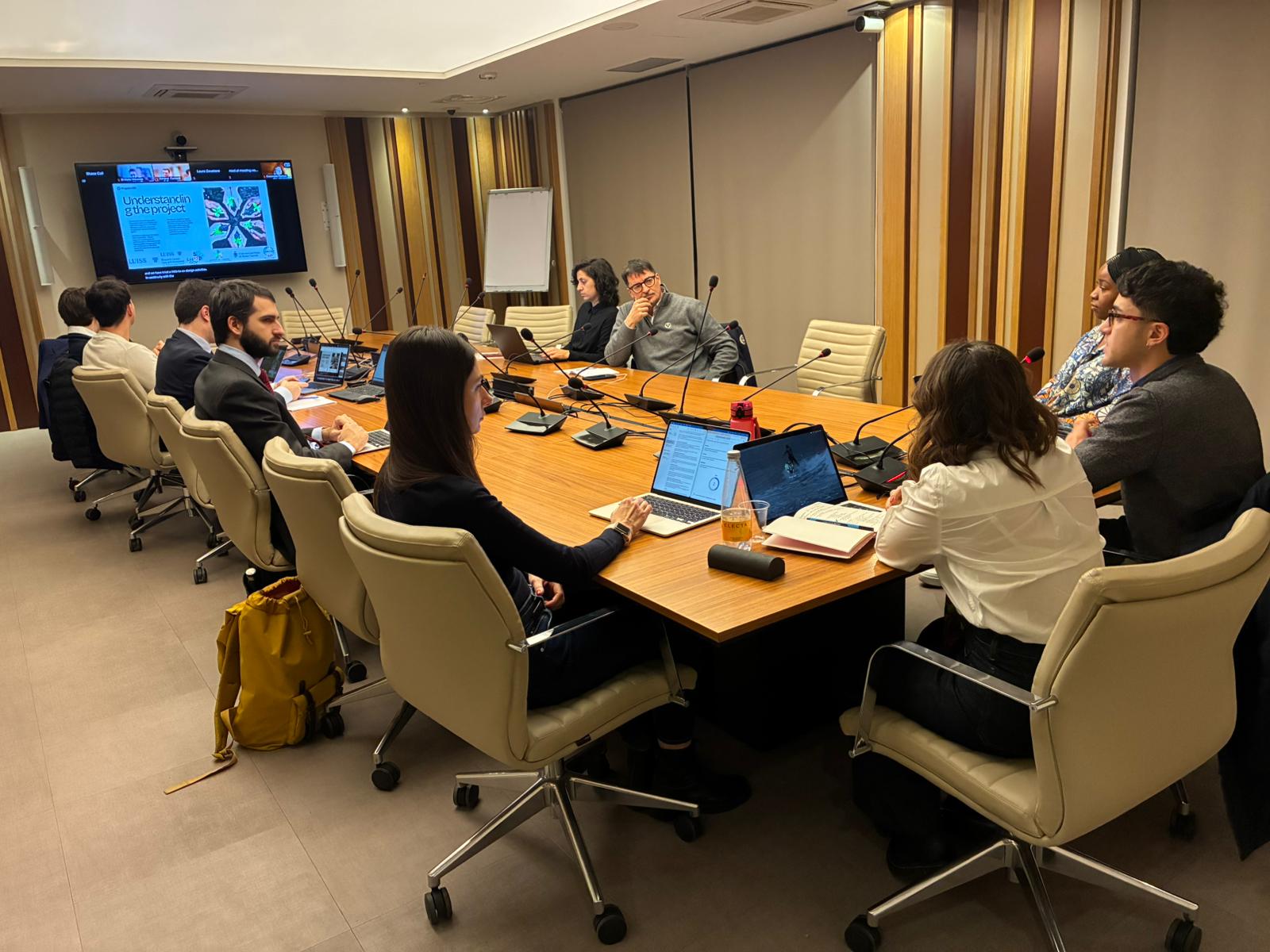
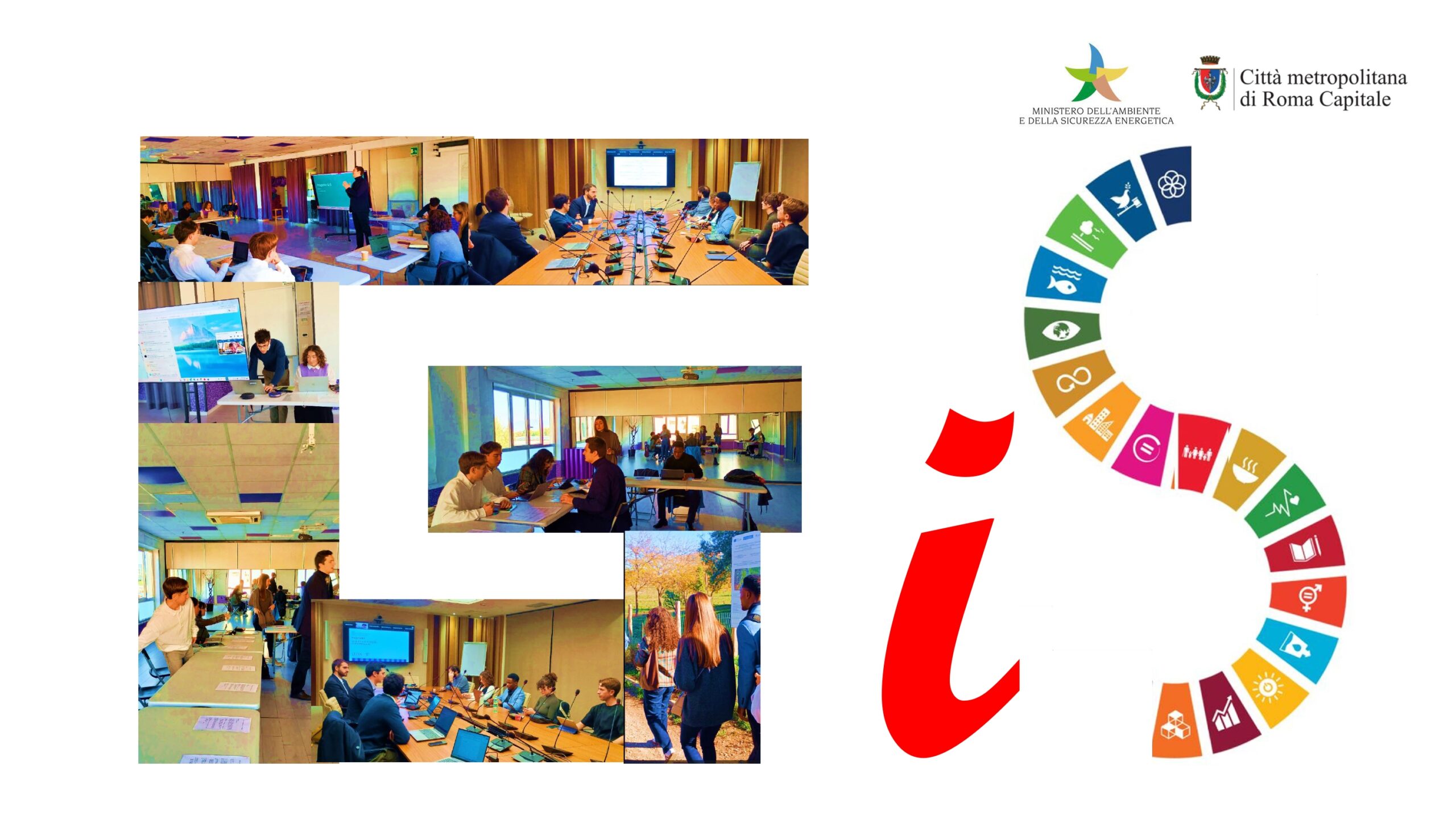
In data 18 dicembre 2025 si è tenuto l’ultimo appuntamento del Progetto GIS – Giovani Innovatori per la Sostenibilità, in cui gli studenti hanno presentato i progetti sviluppati nei moduli precedenti.
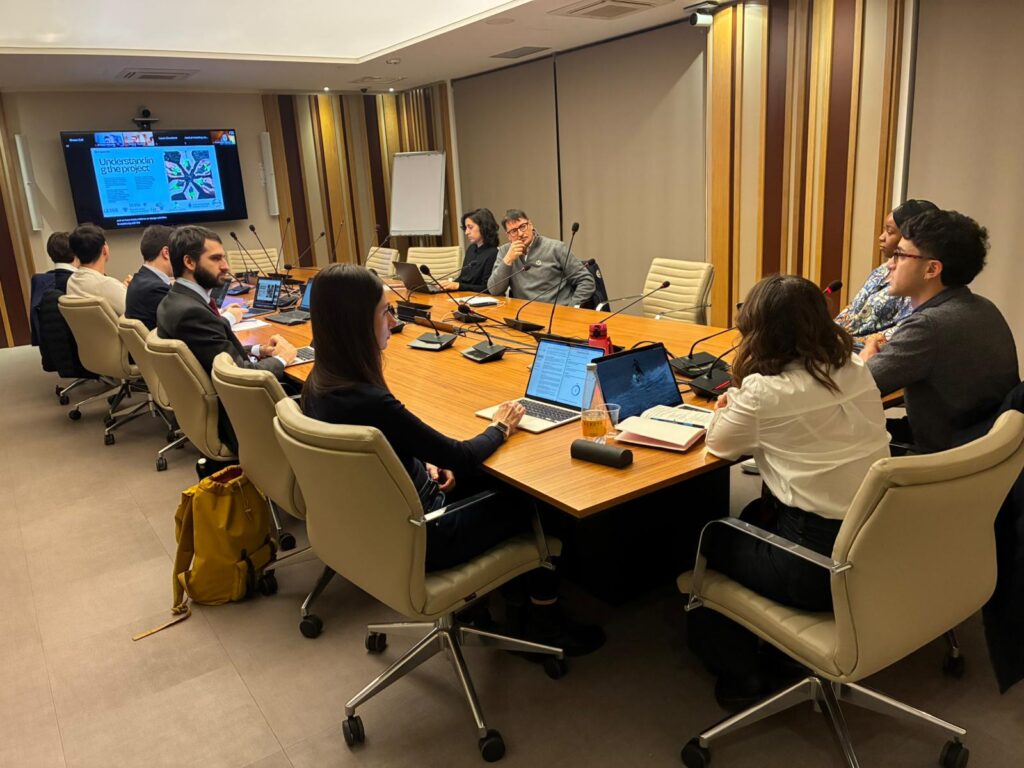
Il primo gruppo di lavoro ha illustrato il progetto elaborato per il cantiere di Municipio V, volto ad affiancare l’intervento di forestazione urbana con una nuova azione orientata alla promozione culturale dell’area e alla contaminazione intergenerazionale. A partire dalle criticità del sito, tra cui la limitata presenza di spazi di aggregazione, è stato proposto un piano di attività che spazia dal fitness alle iniziative educative da svolgersi nel futuro Parco, concepito come area di connessione e dialogo intergenerazionale e, al contempo, come luogo di ascolto delle esigenze della comunità. Tale obiettivo risulta più concretamente perseguibile grazie alla realizzazione di un partenariato finalizzato a coinvolgere differenti tipologie di attori in grado di rappresentare le diverse istanze del quartiere.
Il secondo gruppo di lavoro ha presentato il progetto ideato per il cantiere di Capranica Prenestina, che mira alla realizzazione di una Summer School sullo Sviluppo Sostenibile. Considerate le criticità dell’area, quali la distanza dal centro urbano e la scarsità di residenti e di attività economiche, è stata proposta la realizzazione di una Summer School rivolta a studenti e nuove generazioni, con l’obiettivo di promuovere una cultura della sostenibilità capace di contribuire attivamente alla costruzione di una visione condivisa per il futuro di Capranica Prenestina. Il piano si propone di rafforzare il legame tra comunità, istituzioni e territorio, lavorando sui tre vettori della sostenibilità, sulla responsabilità intergenerazionale e sulla valorizzazione delle filiere locali, coinvolgendo attori della quintupla elica.
La giornata e il progetto si concludono con l’attesa di un ultimo momento di incontro nel 2026, in occasione di una on-site visit presso il cantiere del Comune di Capranica Prenestina.
by gideongalizzi | Dec 19, 2025 | Commons Press, Event, News
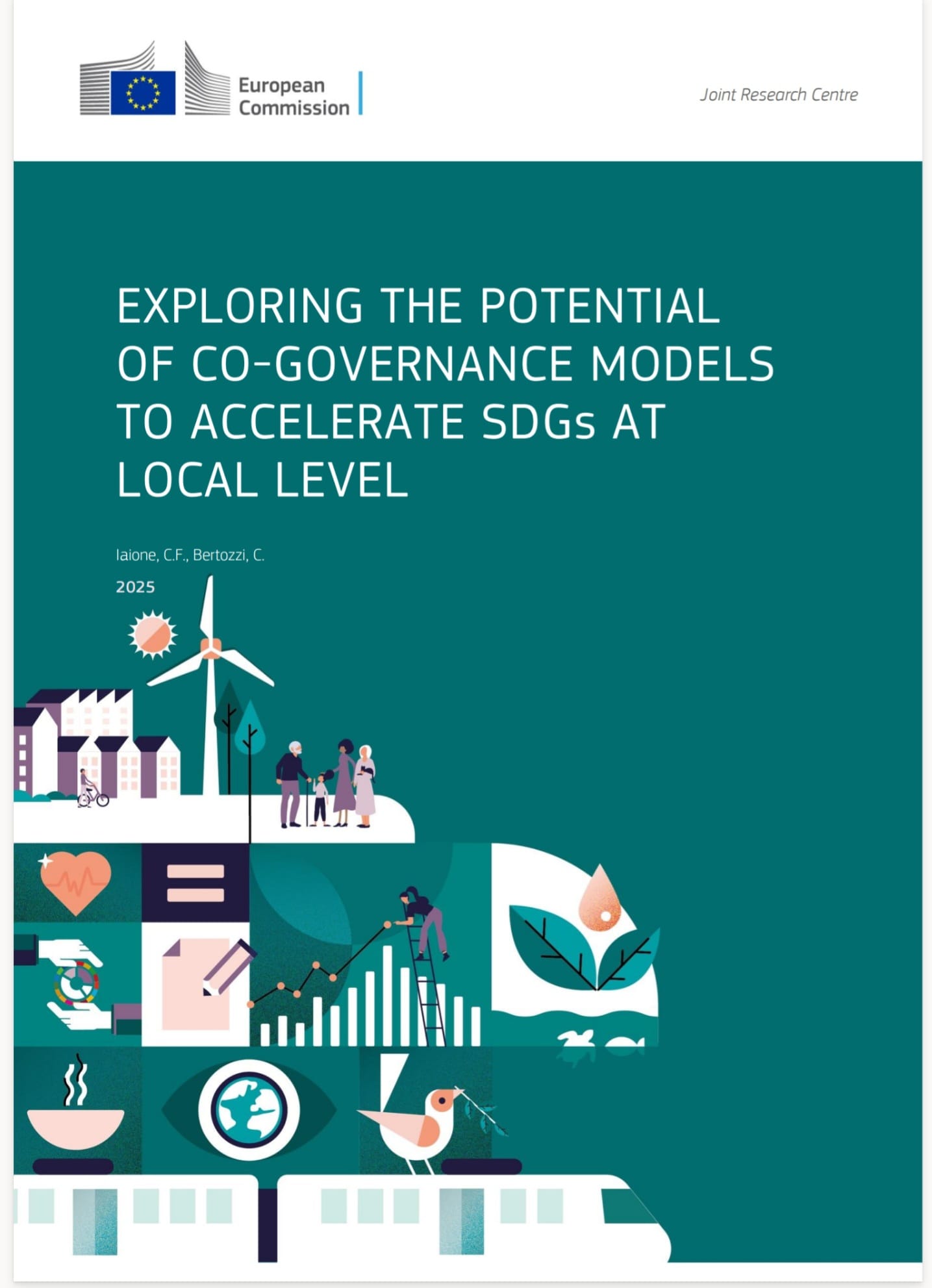
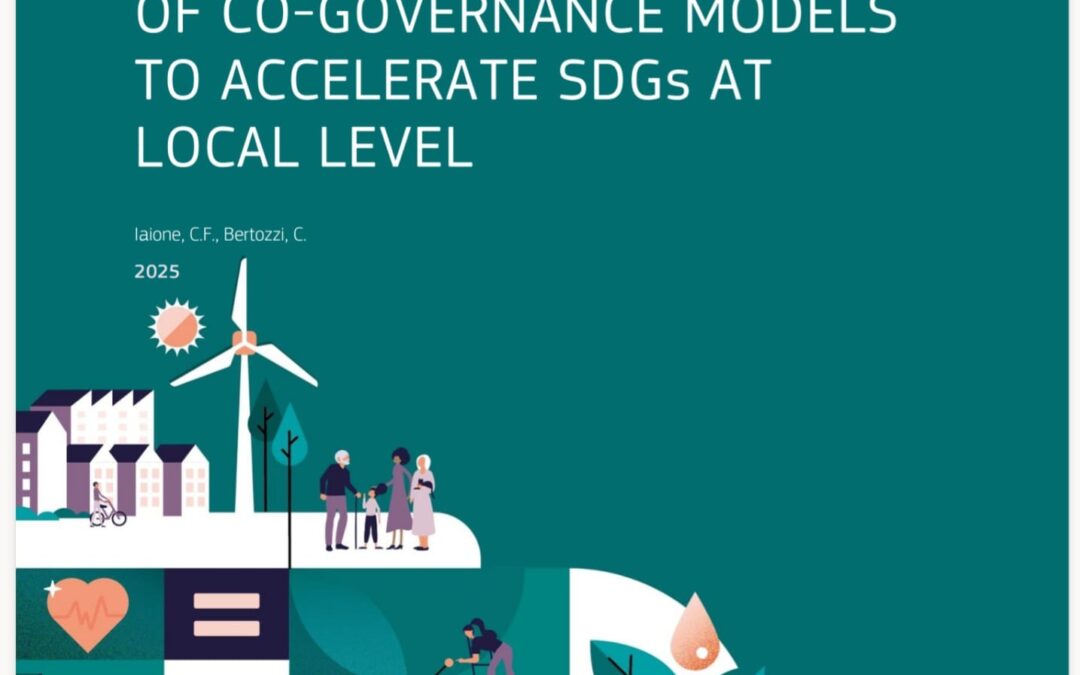
With the 2030 deadline approaching and persistent gaps in trust and social legitimacy hindering sustainability transitions, a recent JRC (European Commission) report by Christian F. Iaione and Cecilia Bertozzi examines how commons-based co-governance and joint management of common goods can facilitate and accelerate the localization of Sustainable Development Goals (SDGs) within urban environments.
The report identifies three principal findings: co-governance extends beyond the conventional top-down versus bottom-up dichotomy; it offers evidence-based recommendations that support SDG localization across EU territories, noting that most SDG targets require local action, and contributes to the development of a shared, consensual framework through imposed directives aimed solely at achieving uniformity.
The report grounds its analysis in five case studies ranging from Reggio Emilia to Amsterdam, which demonstrate the use of legal and financial instruments, the role of institutional facilitators such as city science offices, and the common challenges faced across regions, including bureaucratic silos, long-term funding constraints, and the need for inclusive co-design.
A key takeaway is well documented: co-governance can serve as a significant accelerator of sustainability transformations in urban contexts. However, further scaling is required to understand better the contexts in which these models are effective and to assess the long-term sustainability of the supporting institutional capacities.
Read full report:
https://data.europa.eu/doi/10.2760/1245774

by Staff | Dec 15, 2025 | Event, News
📅 Tuesday, December 16, 2025
📍 Sala delle Colonne, Luiss Campus, Viale Pola 12, Rome
On the occasion of National Space Day, we are pleased to promote a conference dedicated to the new opportunities opened up by enabling space technologies, their impacts on local territories, and the strategic and competitive implications for the national system.
A high-level forum for discussion featuring distinguished speakers, including representatives of institutions, leading academics, as well as young researchers and students, who will present ideas, visions, and projects for the future of the aerospace sector and its downstream applications.
A unique opportunity to:
✔️ understand emerging technological trajectories
✔️ highlight the impact of space technologies on the economy and local territories
✔️ foster dialogue between research, institutions, and new generations
👉 An event not to be missed!
Register to attend: https://luiss.formstack.com/forms/giornata_nazionale_spazio
#NationalSpaceDay #Space #Aerospace #Downstream #Innovation #SpaceTechnologies #Research #Competitiveness #Labgov #Territories #Future #Aerospace

by Staff | Dec 11, 2025 | News
Conferenza Nazionale sullo Sviluppo Sostenibile
2 – 3 – 4 Dicembre 2025
Palazzo Valentini, RM
9:30 – 17:30
Nelle giornate del 2, 3 e 4 dicembre 2025, presso Palazzo Valentini, sede della Città Metropolitana di Roma Capitale, si è svolta la Conferenza Nazionale sullo Sviluppo Sostenibile, evento chiave per la revisione e l’implementazione della Strategia Nazionale per lo Sviluppo Sostenibile (SNSvS). L’iniziativa, allineata all’Agenda 2030 delle Nazioni Unite, ha creato un ponte tra governo, istituzioni e società civile, con l’obiettivo di promuovere sostenibilità e responsabilità intergenerazionale.
Ogni giornata è stata dedicata a uno dei tre vettori dello sviluppo sostenibile—la cultura per la sostenibilità, la partecipazione per lo sviluppo sostenibile e la coerenza delle politiche per lo sviluppo sostenibile—ed è stata articolata in due momenti: una prima parte di carattere frontale e una seconda dedicata ai lavori laboratoriali.
La prima giornata ha affrontato il vettore della cultura per la sostenibilità di territori e imprese, concentrandosi su educazione, formazione e cultura d’impresa. Nel corso della mattinata, diverse personalità hanno presentato il gruppo di lavoro dedicato a cultura e territori e quello impegnato sul tema della prosperità, approfondendo questioni quali educazione, cittadinanza globale e finanza sostenibile. A seguire si è svolto il primo laboratorio della giornata, in sessione plenaria, dedicato alla cultura come infrastruttura della sostenibilità, cui è poi seguito un laboratorio in sessione separata sull’impresa sostenibile e sul dialogo tra finanza e territori.
La seconda giornata è stata dedicata al vettore della partecipazione per lo sviluppo sostenibile, con particolare attenzione al coinvolgimento delle giovani generazioni. Durante la mattinata vari relatori hanno presentato il gruppo di lavoro dedicato ai giovani e illustrato il percorso di revisione volontaria presso le Nazioni Unite (Voluntary National Review e Youth Voluntary Review). Successivamente si è discusso del ruolo della partecipazione giovanile alla sostenibilità dentro e fuori le istituzioni, presentando casi concreti, tra cui il progetto GIS, realizzato in collaborazione tra Città Metropolitana di Roma Capitale, Capitale Lavoro e LabGov ETS. La giornata si è conclusa con un laboratorio di co-progettazione volto a sperimentare la valutazione intergenerazionale per lo sviluppo sostenibile, durante il quale sono stati applicati gli strumenti dello Youth Test e dello Youth Progress Index.
La terza e ultima giornata ha affrontato il vettore della coerenza delle politiche per lo sviluppo sostenibile. Nel corso della mattinata diversi relatori hanno illustrato il Programma d’Azione Nazionale per la Coerenza delle Politiche sullo Sviluppo Sostenibile, i gruppi di lavoro dedicati ai temi della pace e del pianeta e il tema della governance multilivello, alternando contributi teorici – offerti da istituzioni quali OCSE e UN-Habitat – alla presentazione di pratiche provenienti dai territori. In chiusura si è svolto un laboratorio incentrato sulle disuguaglianze come questione culturale, volto ad approfondire l’SDG 10 e i relativi processi trasformativi. Sono intervenute anche voci istituzionali quali Save the Children e l’Osservatorio Sicurezza e Povertà Alimentare
________________________________________________________________________________
On 2, 3, and 4 December 2025, the National Conference on Sustainable Development was held at Palazzo Valentini, headquarters of the Metropolitan City of Rome Capital. The event, aligned with the UN 2030 Agenda, sought to build a bridge among government, institutions, and civil society to promote sustainability and intergenerational responsibility, with particular attention to inequalities and prosperity.
Each day was dedicated to one of the three vectors of sustainability—culture for sustainability, participation in sustainable development, and coherence of sustainable development policies—and was structured into two parts: a theoretical session in the morning and a practical session in the afternoon.
The first day focused on the vector of culture for the sustainability of enterprises and territories, with an emphasis on education and enterprise culture. In the morning, several experts spoke, presenting the Working Group on Culture and Territories and the Working Group on Prosperity, addressing topics related to global citizenship education and sustainable finance. This was followed by the day’s first plenary workshop, centered on culture as an infrastructure for sustainability, and subsequently by a parallel-session workshop on sustainable finance and dialogue between finance and local territories.
The second day addressed the vector of participation in sustainable development, with a specific focus on the involvement of younger generations. The morning session featured various speakers who presented the Working Group on Youth and outlined the roadmap toward the Voluntary Review at the United Nations, comprising both the Voluntary National Review and the Youth Voluntary Review. This was followed by a presentation on youth participation in sustainability efforts within and beyond public institutions, illustrated through concrete case studies, such as the GIS Project developed in collaboration with the Metropolitan City of Rome, Capitale Lavoro, LabGov ETS. The day concluded with a co-design workshop aimed at testing intergenerational assessment tools for sustainable development, in which the Youth Test and the Youth Progress Index were applied.
The third and final day focused on the vector of policy coherence for sustainable development. During the morning, various speakers presented the National Action Program for Policy Coherence on Sustainable Development, along with the working groups on peace, the planet, and multilevel governance. A workshop followed on inequalities as a cultural issue, aimed at fostering reflection on SDG 10 and transformative processes. Contributions were also offered by institutional representatives, including Save the Children and the Observatory on Food Security and Poverty