by Davide Testa | Apr 29, 2025 | The Urban Media Lab

The ongoing digitalization of economic and social relations – most visibly manifested in the rise of digital platforms – has deeply affected urban centers, despite lacking a territorial anchor. These new dynamics pose significant challenges for cities, as they often evade traditional taxation systems and the ability of local governments to monitor territory and manage tourist flows.
Attractive urban areas are particularly affected by the phenomenon known as “airification”[1], that is, the transformation of a significant number of residential properties from long-term housing to short-term tourist rentals[2]. This process, which exacerbates overtourism, has far-reaching impacts on the livability of historic city centers: from the scarcity of essential services to the replacement of local businesses, rising rents and property prices, and the displacement of vulnerable groups – such as renters, students, migrants, or people with disabilities – and ultimately of long-term residents, due to declining quality of life.
This scenario stands in stark contrast to Henri Lefebvre’s 1978 reflections on the “right to the city”[3]. Instead of fostering collective, collaborative urban life, the city is increasingly treated as an asset – either through concentrated ownership of housing stock for tourism purposes or via its transient use by short-term visitors.
This fragmented and conflict-laden context involves overlapping competences at the national, regional, and local levels. Most regulatory attempts concerning short-term rentals have, in fact, been subject to litigation before both the Constitutional Court and administrative judges.
In Italy, the national legislator first intervened through the so-called “Airbnb Law” (Art. 4 of Decree-Law no. 50/2017), which primarily addressed tax compliance. The law required intermediaries, including digital platforms, to report rental data, withhold a 21% tax on payments, and – if not based in Italy – appoint a tax representative in the Country.
Airbnb challenged these provisions, claiming its classification as an “information society service” under Directive 2000/31/EC, a status previously affirmed by the CJEU in response to a preliminary reference from a French administrative court, using the so-called Uber Test[4]. The platform brought a case before the Regional Administrative Tribunal (TAR) of Lazio; after the TAR upheld the law, the Council of State made a new preliminary reference to the CJEU[5], questioning whether the law violated the EU principle of free movement of services (Art. 56 TFEU)[6]. The CJEU ultimately confirmed the law’s validity, finding that most of the contested provisions were proportionate to the legitimate aim of combating tax evasion.
While awaiting the CJEU ruling, several municipalities – despite their weak bargaining position – entered into agreements with Airbnb, mostly concerning the collection of tourist taxes and the promotion of fair rental practices, criticized by some for being overly dependent on the platform’s negotiating power and lacking effective enforcement tools; in 2022, though, Airbnb began directly collecting tourist taxes in Italy and signed a cooperation agreement with the National Association of Italian Municipalities (ANCI) to support local authorities.
Following that ruling, the national legislator introduced other provisions, beyond taxation, such as the requirement for a National Identification Code (CIN) under Decree-Law no. 145/2023. As legal scholarship has pointed out, however, in addressing the urban and housing impacts of short-term rentals, regional authorities, despite their significant regulatory powers, have largely been absent from the debate[7], even though some Regions have recently taken action[8]. Notably, over the next few months, the Emilia-Romagna Region is launching a participatory process aimed at drafting a regional law on short-term rentals, involving local governments as well as stakeholders representing the various and often conflicting interests at stake[9].
Today, the first examples of local regulation – often built upon regional legislation – show diverging approaches. The City of Bologna, for instance, pending the regional law on short-term rentals, amended the General Urban Plan (PUG) and the Building Regulation, including a minimum size of 50 square meters for tourist rental units, the creation of a dedicated urban zoning category for B&B properties, and other provisions. This strategy relies primarily on the municipal authority over urban planning: this field is indeed recognized by courts as a constitutionally protected value and thus inherently multi-level, going beyond a simple allocation of administrative tasks, and the amendments were upheld by the administrative judge[10].
Other attempts to regulate short-term rentals with a more tourism-focused approach – such as in Sirmione, where the local rules were based on the region’s tourism legislation – have fared less well in court. The Council of State overturned a ruling by the TAR of Brescia[11], which had allowed the municipality to ban tourist rentals in certain cases (e.g., properties without adequate parking): the Council held that non-commercial tourist rentals fall outside the scope of public authorities’ prescriptive or prohibitory powers. The ruling, nevertheless, was based on Lombardy’s regional law and therefore the outcome cannot be generalised.
The City of Florence, on its side, adopted a further approach, in some ways similar to that of Venice, by linking the issue of short-term rentals to the protection of its historic center as a UNESCO World Heritage Site: this strategy was first implemented with an amendment to the General Urban Plan, which was the matter of a ruling by TAR Toscana[12] decided on procedural grounds, while a Regulation more focused on the tourist aspects of short-term rentals is currently being approved. This solution overlays cultural heritage and landscape protection with tourism policy and urban planning.
These emerging regulatory perspectives need close attention. Beyond informing possible solutions to the challenges posed by short-term rentals, they offer valuable insight into the evolving balance of powers within Italy’s multi-level governance system: an issue that may reemerge in other policy areas affected by global phenomena.
[1] S. Picascia, A. Romano, M. Teobaldi, The airification of cities: making sense of the impact of peer to peer short term letting on urban functions and economy, Proceedings of the Annual Congress of the Association of European Schools of Planning, Lisbon 11-14 July 2017.
[2] M.E. Bucalo, I servizi delle piattaforme online fra giurisprudenza sovranazionale e interna e necessità di regolazione dell’economia collaborativa. Riflessioni a partire dal caso Airbnb, Federalismi.it, 22, 2020.
[3] H. Lefebvre, Le Droit à la ville, Paris, Anthropos, 1968.
[4] C-390/18
[5] C-83/21. Cons. di Stato no. 9188/2023.
[6] F. Pizzolato, D. Testa, Libertà economiche ed autonomia locale: strumenti e lacune della tutela giurisdizionale, in M. Bertolissi, C. Pagliarin (a cura di), Il destino delle risorse pubbliche. Reperimento gestione giurisdizione, Napoli, Jovene, 2023.
[7] D. Tumminelli, Le “locazioni brevi” e il (mancato) ruolo svolto da Regioni ed enti locali nella materia del “governo del territorio”, Istituzioni del Federalismo, 1, 2023.
[8] F. Fracchia, P. Pantalone, Salvaguardia delle identità locali, corretto uso del territorio ed esigenze del mercato: il caso delle locazioni brevi ai tempi della sharing economy, Consulta Online, 1, 2022.
[9] For further information, please refer to the following link: < https://www.regione.emilia-romagna.it/notizie/2025/aprile/casa-via-al-percorso-verso-una-legge-regionale-per-disciplinare-gli-affitti-brevi-a-uso-turistico-il-primo-tavolo-entro-maggio>.
[10] TAR Emilia-Romagna no. 308/2025.
[11] Cons. Stato no. 2928/2025.
[12] TAR Toscana n. 858/2024.

by benedictaquarcoo | Mar 20, 2025 | Event, News, The Urban Media Lab
In a world increasingly shaped by climate catastrophe, voices from the most vulnerable regions are rising, not in desperation, but with determination and power. One of the most powerful examples comes from the Pacific Islands, where young climate leaders are reframing international law and policy with their courage and clarity.
At the forefront is Cynthia Houniuhi, president of Pacific Islands Students Fighting Climate Change (PISFCC) and a law student at the University of New South Wales. In March 2023, she watched as the United Nations General Assembly voted overwhelmingly in favor of a resolution to seek an advisory opinion from the International Court of Justice (ICJ) on countries’ legal obligations to address climate change.
“Our world is an island, and it is drowning because of inaction,” Cynthia wrote.
A Movement Born in a Classroom
What began in a law classroom in Vanuatu has grown into a global legal movement. In 2019, 27 students from eight Pacific Island nations explored bold legal pathways to hold major polluters accountable. Their boldest idea to petition the ICJ quickly gained traction with the support of their government and international allies. In 2023, that dream became reality.
But for these students, climate change is not a theory, made-up concept or story. It is a live crisis that is happening, they are in it, they feel it and experience it daily. Cynthia, who grew up in the Solomon Islands, speaks not of abstract models or rising graphs, but of lost homes, flooded ancestral lands, and a cultural identity slowly being eroded by rising seas.
“Climate change is the deaths of our people, whose losses we feel… It is wanting to move back to our childhood homes but knowing they will be flooded in a matter of years.”
The island, which is Cynthia’s hometown, Fanalei has already been severely impacted. On a return trip to bury her grandfather, Cynthia saw firsthand how over 80% of residents had been forced to relocate due to food shortages and rising sea levels.
The Power of Legal Action
The ICJ case, although advisory, could reshape the global climate response. While not legally binding, an ICJ opinion would carry strong moral and legal authority, influencing national courts and international negotiations alike. It’s a bold move by young activists who’ve learned that climate justice requires legal teeth.
“In the face of an existential threat to our people, ambition is what we need,” she explains.
And it is not just ambition, it is leadership, stewardship and ownership. These young islanders are demanding global accountability. They are redefining what it means to lead in the climate era, not from behind closed doors in boardrooms, but from communities already feeling the water rise.
A Call to All Generations
Cynthia’s story is deeply personal. She plans to one day pass down her grandmother’s rorochara, a traditional shell headpiece, to her future children. But she worries that by then, there may be no island left to connect that heirloom to its origin. This painful uncertainty drives her and others to action, not just as climate activists, but as guardians of their cultural memory and identity.
The students’ campaign is not just a legal movement; it is a moral awakening. They urge the global community to act with urgency, to not let the slow machinery of international diplomacy leave their islands submerged and forgotten.
“Look at your home and imagine it disappearing under water, as mine is. Ask yourself what action that motivates you to take.”
Why This Story Matters
This movement is not just about the Pacific. It is a signal to all of us that climate change is not a distant threat; it is a present reality. And it calls for more than sympathy; it calls for shared responsibility, ambition, and above all, solidarity.
As policymakers debate carbon markets and transition timelines, Cynthia and her peers remind us that real lives and cultures hang in the balance. Their courage shows what is possible when grassroots advocacy meets global legal action.
To learn more about the Pacific Islands Students Fighting Climate Change campaign, visit https://www.pisfcc.org.
Based on: Cynthia Houniuhi, “Pacific Islands students fight climate change,” Nature, vol. 618, 2023.

by Stella Scocco | Feb 11, 2025 | The Urban Media Lab
Stella Scocco

Over the last fifty years, international law has adapted to meet the demands of new transnational challenges in our interconnected and globalized world. Among these challenges, the rise of environmental law has gained particular prominence, especially in the context of climate change and its far-reaching consequences, such as the phenomenon of climate refugeeism.
Despite the growing recognition of the plight of those affected by environmental changes, there remains a lack of a universally accepted definition for the term “climate refugee.” This ambiguity complicates the legal status and protection of these individuals. While climate change manifests in various detrimental ways, including the alarming rise in sea levels, drought, and increasingly severe weather events, the affected typically do not meet the criteria of persecution established by the 1951 Refugee Convention (McAdam 2011, 10). Consequently, they find themselves in a legal gap, lacking adequate international protection and support.

Identifying the Gap – The nexus between Migration law and Human rights law
Still, exclusion from refugee status does not allow a country to deny protection. In 2019, the Committee on Civil and Political Rights (CCPR) addressed non-refoulement and climate change in the Ioane Teitiota v. New Zealand ruling. The Committee stated that the effects of denying protection in receiving states may violate individuals’ rights under articles 6 and 7 of the Covenant, thus activating the non-refoulement obligations of sending states before the risk is realized (Ioane Teitiota v. New Zealand 2020, 2.1).
While human rights, combined with the principle of non-refoulement, can offer protection when migration law falls short, it should not necessarily be viewed as a viable alternative. Non-refoulement primarily guards against expulsion, allowing states a margin of appreciation in implementation. The Committee against Torture (UNCAT) has, for example, highlighted that a breach of Article 3 of the Convention Against Torture does not influence asylum decisions but is simply declaratory. National authorities must only take necessary actions to adhere to Article 3, which can be legal (such as granting a residence permit) or political (such as seeking a third state willing to accept the applicant) (Seid Mortesa Aemei v. Switzerland 1997, p. 11).
The situation for those protected only under non-refoulement varies significantly across jurisdictions. Some countries provide a minimum standard of living, while others grant only basic rights and detain excluded refugees pending deportation. The exclusion often results in limited access to welfare, work, education, social assistance, and family reunification (Dawody 2024, 163). Even if this might be somewhat ambiguous in the case of climate refugees due to soft-law instruments, this gap between Migration and Human Rights laws is still undesirable and at risk of creating unsustainable situations.
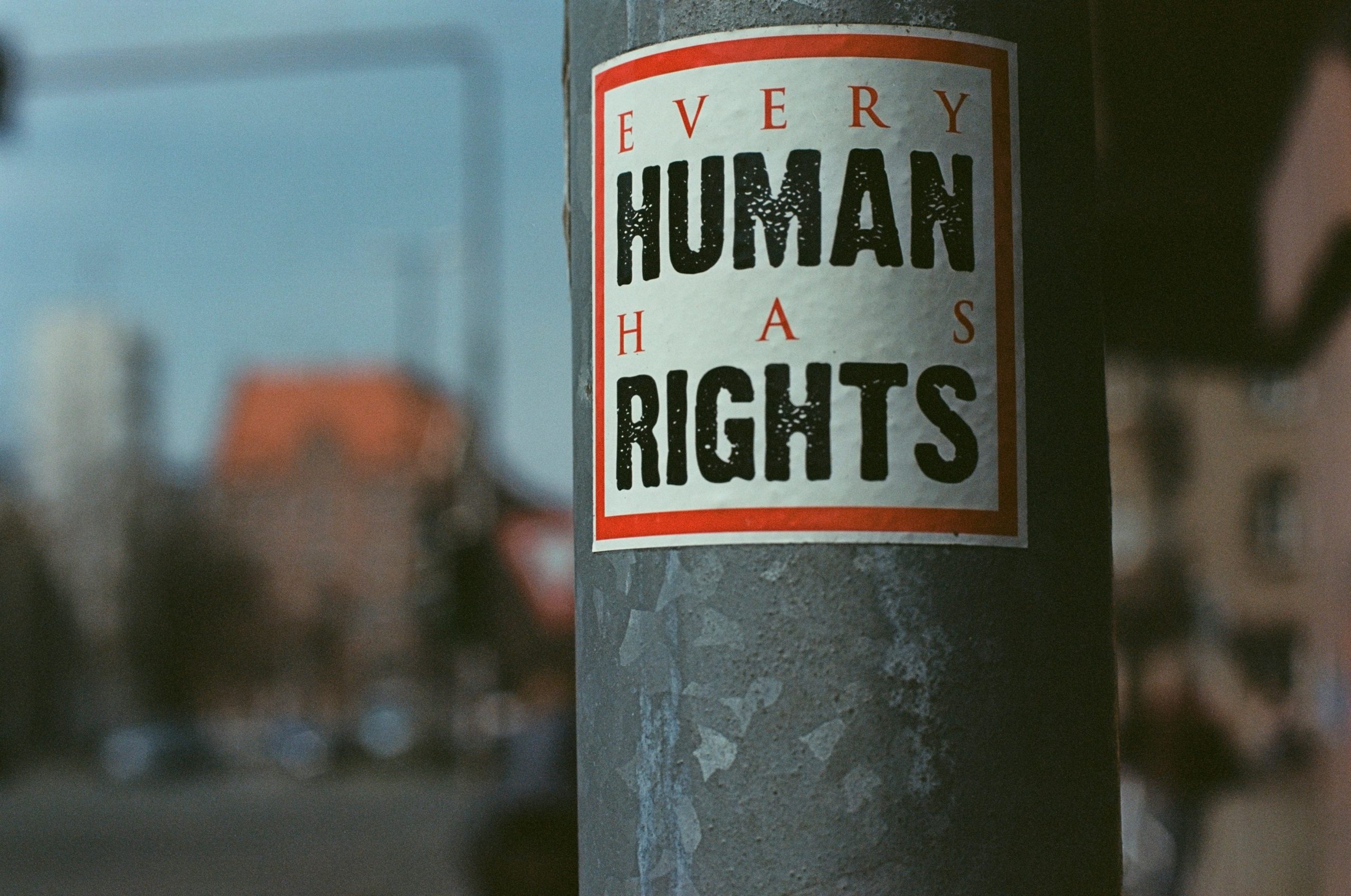
Closing the gap – Complementary protection or (re)interpreting the Refugee Convention.
Some countries, like New Zealand, have established a complementary protection status that addresses human rights violations, defining “protected persons” as individuals who have substantial grounds to believe they would face the danger of torture, arbitrary deprivation of life, or cruel, inhuman, or degrading treatment or punishment if deported from the country (Immigration (Refugee and Protection Status Processing) Regulations 2010 reg 8). This status acts as a link between Migration law and Human rights law. The Inter-American Court of Human Rights describes it as a normative development that allows states to protect the rights of individuals who do not qualify for refugee status but cannot return to their home countries due to circumstances in violation of the Convention Against Torture (CAT) or the International Covenant on Civil and Political Rights (ICCPR) (Mcadam 2012, 19-22). This meets the obligation of non-refoulement and safeguards essential human rights, including access to administrative or judicial procedures. However, the problem with jurisdictional differences remains.
Therefore, a reinterpreting of the Refugee Convention through a dynamic interpretation should be explored, allowing rights to evolve with social, cultural, and economic changes. In reference, the European Court of Human Rights (ECtHR) views the European Convention on Human Rights (ECHR) as a living instrument, suggesting that interpretations should reflect current conditions. It is generally regarded as inappropriate to interpret human rights treaties by freezing their meaning according to the initial intentions of the contracting states (Tyrer v. The United Kingdom, 1978).
The Vienna Convention offers interpretation guidelines through systemic integration, conveying that all relevant obligations between parties must be considered (1969 Vienna Convention on the Law of Treaties, 1969, Article 31(3)(c)). The International Law Commission emphasizes that international law is an interconnected legal system where norms relate meaningfully rather than as a random collection. Where multiple standards address a single issue, they should, to the extent possible, be interpreted to give rise to a single set of compatible obligations. For example, one norm may help interpret another as an application, clarification, update, or modification of the latter (International Law Commission, 2006).
One challenge in addressing climate refugees is identifying a clear persecutor. However, even if the governments of Kiribati and Tuvalu are not responsible for climate change, scholars argue that climate refugees flee their governments’ actions, as studies show that governments can exacerbate these crises and increase population vulnerability (Cooper 1998, 503). Another view is that high-polluting countries effectively persecute individuals from high-risk countries by failing to address climate change, knowing the effects on habitability. This negligence exposes these individuals to hazardous and potentially deadly environmental conditions (Rosignoli 2022, 47). The fact that persecution can stem from both state and non-state actors supports this reasoning. Consequently, the issue of governmental protection becomes crucial. However, this situation inverts the traditional refugee paradigm, as climate refugees would be fleeing to their persecutors (or from private actors that the government is unable or unwilling to protect them from) rather than escaping from them (Rosignoli 2022, 47).
Additionally, the persecution must correlate with one of the reasons in the Convention. Identifying climate refugees as a “particular social group” is challenging as, per UNHCR guidelines, they must share a common trait beyond mere persecution (UN High Commissioner for Refugees 2019, 37-50). One of the challenges in addressing this issue is that the impacts of climate change are often indistinguishable rather than linked to specific characteristics like a person’s background or beliefs. While climate change affects certain regions of the world disproportionately, the root cause is not tied to the affected populations’ nationality, beliefs, or ethnicity.
Furthermore, “particular social group” is interpreted restrictively, requiring that the unifying characteristic be inherent or essential to one’s identity. The argument for this interpretation stems from the intention not to provide protection for all the reasons mentioned in the 1948 Universal Declaration of Human Rights, indicating that some omissions were intentional by the signing states of the Refugee Convention (UN High Commissioner for Refugees 2019, 3).
This interpretation would suggest that gender was intentionally omitted from the Convention since the Universal Declaration includes it. Nonetheless, due to advancements in women’s rights, gender is now considered within the scope. The UK Immigration Appeal Tribunal, in Case Islam (A.P.) v. Secretary of State, highlighted the importance of the preamble as they establish that all human beings are entitled to fundamental rights and emphasize that combating discrimination is a key purpose of the Convention. The preamble’s reference to the Universal Declaration, which upholds the principle of equality for all, supports this interpretation (Islam (A.P.) v. Secretary of State 1999, 5). This reasoning by the Court adheres to a dynamic interpretation rather than solely analyzing the original intent. The same or similar reasoning could, for example, be explored in relation to nationality or origin.
Additionally, the Swedish delegate proposed adding the ground for persecution of a particular social group to the Convention in the final stages of negotiation due to an observation that certain groups deserving of protection otherwise, in the future, risk being excluded. The proposal was approved without significant discussion (Rosignoli 2022, 32). Therefore, the specific group constellations referred to remain unknown, indicating an intention for flexibility in interpreting the concept.
In conclusion, the question of how international law should address climate refugees is challenging and complex. This issue is inherently difficult to manage within the individualized legal assessments that underpin migration law since it does not adequately capture the collective and systemic nature of climate-related harms. The situation of climate refugees is quite similar to that of economic migrants, who are generally considered ineligible for international protection. However, the connection between inadequate environmental protection, rising emissions, and displacement introduces a dimension that resembles the persecution outlined in the Refugee Convention and the “man-made” criteria found in regional regulations.
Countries with the highest carbon dioxide emissions have historically relied on fossil fuels and industrial production to achieve economic growth, often without considering environmental impacts. Those living in vulnerable regions and developing countries are unequally affected by these effects, with displacement being one of the most severe consequences. This situation is profoundly unjust, as those who are least responsible for the climate crisis are suffering the most, creating a discriminating systemic injustice.
Evidently, access to human rights is unevenly distributed, and generalized inequality does not give the right to asylum. However, the current situation is primarily driven by the international community’s action (or lack thereof). It significantly impacts access to human rights in a discriminatory manner that contradicts the Universal Declaration and the fundamental principles of the Refugee Convention.
This strengthens the interpretation of refugee status as a dynamic concept that is not fixed over time; instead, it needs to evolve in response to the shifting landscape of human rights protection across the globe. This evolution is crucial, as it ensures the relevance and effectiveness of the principles outlined in the Refugee Convention in addressing contemporary challenges. By adapting to new realities, this interpretation reinforces the fundamental aim of the Convention, which is to protect individuals fleeing persecution and inequality. Moreover, it addresses the urgent need to eradicate discrimination individuals may face when seeking access to basic rights and freedoms.
It is in the international community’s interest to avoid creating a situation where non-refoulement makes return impossible. Yet, it remains unclear what rights should be granted beyond the mere right to stay within the country’s borders. It is therefore desirable to either create an international complementary protection status for individuals at risk of human rights violations due to climate change, i.e., climate refugees, or to integrate Migration law and Human rights law through a holistic, systematic interpretation of the Refugee Convention’s scope.

_______________________________________________________________________
Bibliography
Case law
| Case of Tyrer v. The United Kingdom, Application No. 5856/72, 25 April 1978, Council of Europe: European Court of Human Rights. |
| Ioane Teitiota v. New Zealand (advance unedited version), CCPR/C/127/D/2728/2016, 7 Jan 2020, Human Rights Committee. |
| Islam (A.P.) v. Secretary of State for the Home Department; R v. Immigration Appeal Tribunal and Another, Ex Parte Shah (A.P.), Session 1998-1999, 25 March 1999, United Kingdom: House of Lords (Judicial Committee). |
| Seid Mortesa Aemei v. Switzerland, CAT/C/18/D/34/1995, 29 May 1997, UN Committee Against Torture. |
Articles and Literature
| Cooper, J. B., Environmental refugees: meeting the requirements of the refugee definition. New York University Environmental Law Journal, 6(2), 1998. |
| Dawody, H., Terrorism and Exclusion from Refugee Protection, Department of Law, Stockholm University, 2024. |
| International Law Commission, Fragmentation of international law: difficulties arising from the diversification and expansion of international law: report of the Study Group of the International Law Commission. A/CN.4/L.702 18 July 2006. |
| McAdam, J., Climate Change Displacement and International Law: Complementary Protection Standards, PPLA/2011/03, UN High Commissioner for Refugees (UNHCR), 2011. |
| McAdam, J., The Evolution of Complementary Protection, Complementary Protection in International Refugee Law, Oxford Monographs in International Law, 2012. |
| Rosignoli, F., Environmental Justice for Climate Refugees (1st ed.). Routledge. https://doi.org/10.4324/9781003102632, 2022. |
| UN High Commissioner for Refugees, Handbook on Procedures and Criteria for Determining Refugee Status and Guidelines on International Protection Under the 1951 Convention and the 1967 Protocol Relating to the Status of Refugees, HCR/1P/4/ENG/REV. 4 April 2019. |
#ClimateRefugees
#HumanRights
#NonRefoulement
#MigrationLaw
#RefugeeConvention
#ForcedMigration
#ClimateJustice

by fabriziobiganzoli | Jan 13, 2025 | The Urban Media Lab
Collective consumption in Italy
In the past, the energy transition was almost only addressed by governments, who invested money to overcome the high cost of renewable energy. In recent years, following a strong reduction of cost associated with the clean energy technology, the leading role moved from government to industries, which wanted to reduce production cost. Nowadays, the time has come to hand over responsibilities to citizens, who are asked to become active to spread renewable energy systems in the residential sector. To achieve this, one of the mechanisms put in place is strengthening Renewable Energy Communities (REC, or Comunità Energetica Rinnovabile – CER in Italian).
The Italian legislation on collective self-consumption entered into force on the 24th of January 2024[i]. It defined the rules for sharing locally-produced energy, and it soon became very present in the public discussion. In parallel, the Italian government set 2.2 million euros to support the installation of renewable energy systems for citizens who join a CER and live in municipalities with less than 5000 inhabitants[ii] (the so-called “PNRR fund”). Such measure is particularly relevant for territories in mountain communities, generally composed by little-size municipalities where bringing electricity could be more difficult than in cities.
CER-Amica
Our CER, namely “CER-Amica”, was officially founded in late 2023 in Laveno-Mombello, one of the municipalities belonging to the “Valli del Verbano” mountain community embracing the area between Lake Maggiore and the alps in the Varese province in Northern Italy. CER-Amica is born from the willingness of citizens to play a leading role in the energy transition of their territory[iii]. Our CER shares the electricity in excess produced by the domestic photovoltaic panels of its members.
After one year of experience, we may proudly say that we build up a community. This is an extremely important success, as our individual interests evolved in mutual helping in the community. Indeed, our members share among each other suggestions and technical information for installing solar panels, and personal experiences on how to apply for the PNRR fund. We also promoted events for energy education, where participants learnt about the underlying factors ruling the cost of energy, the Italian energy dependence (due to import of fossil fuels), and how to maximise benefits of individual and collective self-consumption.
Time is running out
CERs became attractive for the economic rewarding mechanism set up by the government: the more self-produced energy is consumed within the CER, the more money the CER receives. Each CER must request such rewards to GSE (i.e., Gestore Servizi Energetici – the Italian governmental agency in charge of promoting renewable energy), which approves the request and gives access to this incentivizing scheme for 20 years. However, for us, having our request approved was a big hurdle so far. We sent our first request in June 2024, which was rejected after five months and several integrations with documents that have not been asked for at the beginning. We presented our second attempt for accessing incentives in November 2024, and it is still pending.
CERs could be a great opportunity for Italy to boost energy transition, but long bureaucracy procedures could be detrimental. In addition, the government set strict deadlines and time is running out. CERs must be registered within the 31st of March 2025 and power plants eligible for incentives within the 18 months after the acceptance of the access to incentives, or, anyhow, before the 30th of June 2026[iv]. Creating a CER is not immediate, and it requires the support of experts. For instance, it took several months for us and we started discussing it years before, and we were supported by the energy cooperative ènostra[v]. Many CERs are still in the process. For instance, another CER in the area is close to its foundation (after very long time) but worried to miss the deadline of March.
Similarly, the deadline for PNRR funds is getting close. Requests must be presented before 31st of March 2025[vi]. We organised an internal seminar in which one of our members explained how to get access to PNRR funds. Now three more members are applying for the same funds. The window for access such funds is still open, many citizens could be interested in applying for it but not ready, missing the knowledge or the technical data required in the application (e.g., the supplier quote for the solar panels).
In short, CERs are the right measure to boost the energy transition but bureaucracy and strict deadlines may limit this opportunity.
The support of mountain community
The concept of community is in common to both CERs and mountain communities. We experienced the benefits of this symbiosis. Indeed, many local associations in the “Valli del Verbano” mountain community are effectively promoting CER-Amica and other two CERs in the area[vii] [viii]. For instance, the “Rete per il Clima del Verbano”[ix] created tools explaining CERs, as well as handbooks and protocols for installing photovoltaic plants meeting the requirements to be eligible for CERs (for both consumers and installers). They are actively explaining the functioning and the requirements not only to citizens, but also to public administrations and photovoltaic installers, to cover all actors involved. Within the mountain community, the project “BoscoClima” of the University of Insubria offers, among others, a free help desk for citizens interested in energy efficiency, including support to CERs and to access PNRR funds.
In conclusion, the support of experts and local association is extremely important to move in the dynamic context of this brand-new regulation. It can really boost the system of CERs and overcome the hurdles along the way. We are all learning day by day and supporting each other: sharing knowledge to share energy!
__________________________________________________________________________________
References
[i] https://www.mase.gov.it/sites/default/files/Decreto%20CER.pdf
[ii] https://www.gse.it/servizi-per-te/attuazione-misure-pnrr/comunit%C3%A0-energetiche-5000abitanti
[iii] https://cer-amica.webnode.it/chi-siamo/
[iv] https://www.gse.it/documenti_site/Documenti%20GSE/Servizi%20per%20te/AUTOCONSUMO/Gruppi%20di%20autoconsumatori%20e%20comunita%20di%20energia%20rinnovabile/Regole%20e%20procedure/ALLEGATO%201%20Regole%20Operative%20CACER.pdf
[v] https://www.enostra.it/comunita-energetiche/consulenza-cer/
[vi] https://www.gse.it/servizi-per-te/attuazione-misure-pnrr/comunit%C3%A0-energetiche-5000abitanti
[vii] https://www.comune.luino.va.it/notizie/2830371/nata-comunita-energetica-rinnovabile-luinese
[viii] https://www.cer-anpci.it/nasce-la-cer-dei-laghi/
[ix] https://reteperilclimadelverbano.it/guida-alla-cer-comunita-energetica-rinnovabile/

by Kodjori Carlos Junior Farouk Lougourou | Dec 23, 2024 | The Urban Media Lab

Artificial Intelligence (AI) has become a major driving force in the global economy. Its exponential growth is impressive: its market value, estimated at over $184 billion in 2024, is expected to reach $826.7 billion by 2030. If you have used a mobile app to learn a language, shop online, or entertain yourself, you have already benefited from AI-powered services. In 2024, there is no doubt that AI is at the heart of digital transformation. However, this expansion raises concerns, particularly regarding employment: approximately 14% of jobs are estimated to have been replaced by AI this year.
Among the key concepts related to AI, AI Labelling plays a fundamental role. But what exactly is it? AI Labelling is a process where machine learning algorithms assist humans in annotating data. These annotations train machine learning models, enabling them to perform tasks such as image recognition, natural language processing, or autonomous driving. Thus, data annotators are at the heart of this economy. Their work is indispensable for creating and improving these models.
Africa, with its immense labor potential and emerging market, could play a strategic role in the expansion of AI Labelling. But what are the challenges, issues, and opportunities related to this technology on the continent?
AI Labelling: An Untapped Potential for Africa
While European, Asian, and American countries have already widely adopted AI Labelling, Africa lags due to several barriers. Yet, the continent possesses key strengths:
A vast and young workforce: The International Labor Organization estimates that 23.6 million young people aged 15 to 35 are unemployed in Africa. Data labeling could create millions of jobs yearly, addressing a pressing economic need.
Competitive labor costs: Salaries in Africa remain lower than in many other regions, attracting international companies seeking to optimize costs.
Growing interest in technology: Increasing numbers of young Africans are engaging with innovative technologies, including through startups and AI-related training programs.
However, to fully harness this potential, several major challenges must be addressed.
The Challenges of AI Labelling in Africa
Digital isolation: The continent suffers from limited access to basic technological infrastructure, including high-speed internet and reliable energy. This situation hampers the adoption of new technologies. Digital training programs remain insufficient, and few young people have access to advanced technology skills.
Technological dependency: Without local development of skills and infrastructure, Africa risks becoming dependent on foreign companies, exacerbating economic and strategic inequalities.
Technological exclusion: Global decisions increasingly rely on advanced technologies. Without access to these technologies, Africa risks remaining on the margins of strategic global discussions and decisions.

The Benefits of Large-Scale Adoption in Africa
Despite these challenges, AI Labelling represents a unique opportunity for the continent:
Massive job creation: Labelling can absorb a significant portion of unemployed youth, providing them with stable income and an entry into the tech sector.
Positive social impact: In Africa, one job often generates income for multiple people. Creating jobs in this sector could thus have a multiplier effect on local communities.
Basic technical skills: Although often considered simple, these tasks allow workers to acquire basic technology skills, paving the way for more advanced careers.
Increased economic competitiveness: Outsourcing labelling tasks to Africa could attract foreign investment and position the continent as a key player in the global AI economy.
Contribution to sustainable development: AI, supported by data labelling, can address local challenges. For example, agriculture could benefit from satellite image recognition, healthcare from improved medical diagnostics, and education from resources tailored to local needs.
For Africa to fully exploit the potential of AI Labelling, several strategic measures and strategic Vision for the Future are essential :
Invest in infrastructure: Governments and private partners must collaborate to improve access to the internet, energy, and data centers.
Strengthen local skills: Implement AI and annotation training programs to create a skilled workforce.
Encourage foreign investments: Offer tax incentives and suitable regulatory frameworks to attract tech companies.
Develop a regulatory framework: Ensure the protection of data and the rights of workers involved in labelling.
Conclusion
AI Labelling represents an exceptional opportunity for Africa. Not only can it create millions of jobs and reduce unemployment, but it can also position the continent as a major player in the global AI economy. With an adapted strategy and smart investments, Africa has the capacity to turn these challenges into opportunities and significantly contribute to the world’s technological future.

by edoardocampisi | Dec 18, 2024 | The Urban Media Lab
By enacting Regulation 2021/241/EU, the European Union rolled a novel method of government (Lupo, 2023) out to achieve shared progress on pivotal and long-term objectives, some of which had already been enshrined in the EU Treaties (e.g. green transition, social and territorial cohesion, and sustainable and inclusive development). Each Member States requests and obtains tranches of grants and/or loans from the European Commission every six months, on condition that they satisfactorily fulfil negotiated and described milestones and targets. Nevertheless, on the basis of the literal tenets of the law, Regulation 2021/241/EU overlooks governance mechanisms to ensure investments are truly aligned with the above-mentioned goals.
Member States have committed to implementing negotiated reforms and investments not only to fulfil milestones and targets, but also to pursue “just” long-term goals. The typical long-term duration of public-private partnerships (PPPs) contracts led us to investigate to what extend PPPs can address the aforementioned governance needs. Though many scholars have praised the public benefits that PPPs can ideally deliver, in Italy the number and the scale of PPPs is historically contained (ECA 2018). Even in the current recovery and resilience age, public administrations tend to favor public tenders or innovative, multi-actor, and collaborative contracts to meet milestones and targets.
As empirically verified, recklessly relying on PPPs to make social investments and build infrastructures – such as in public health, social and territorial cohesion, and green transition – could bring about the exclusion of the communities (e.g. citizens, third-sectors organizations, start-ups) from the stewardship of those infrastructures (Foster and Iaione, 2022; Iaione, 2024). How can communities be involved in the management of social infrastructures? Our hypothesis prompts us a good starting point would be to move beyond the public-private dichotomy and to clearly define which actors involved in the investment process should produce co-benefits (e.g. socially useful activities, shared energy). Three case studies at least from the Italian Recovery and Resilience Plan demonstrate active collaboration among public, private, and community actors (e.g. social innovators, start-ups, third-sector organization) could be the key to make concrete steps forward the targets enshrined in art. 3 Reg. 2021/241/EU that cannot be reached by 2026.
Integrated Urban Plans
The ‘Integrated Urban Plans’ (so-called PUIs) are new urban planning projects identified by metropolitan cities, as bodies with the purpose of ‘taking care of the strategic development of the metropolitan territory’ (Art. 1, co. 2, Law No. 56/2014), and financed exclusively within the PNRR investment – ‘Integrated Urban Plans’. The same interventions are aimed, on the one hand, at fostering better social inclusion (e.g. through the promotion of proximity social and health services at the local level), and, on the other hand, at promoting urban regeneration through the eco-sustainable recovery, renovation and re-functionalization of building structures and public areas, the energy and water efficiency of buildings and the reduction of land consumption. The projects eligible for financing have the duty to ‘ensure broad participation processes of economic actors and civil society in the definition phase of the interventions object of the Integrated Plans’ (Art. 21, co. 7, lett. d-bis), Law Decree no. 152/2021). This means, according to the participatory urban planning model envisaged: the necessary co-participation of the municipalities of the metropolitan area in the definition of PUI interventions; co-designing with the third sector and the optional presence of public service start-ups, as well as the possibility of private participation up to a maximum of 25% of the total cost of the intervention. And yet, the lack or deficiency of these participatory processes – all the more so in the management phase of urban infrastructures for the provision of goods and services – can reduce, if not nullify, the impact of the investment made, not only quantitatively but also qualitatively.
Community Health Houses
In the context of the new national territorial health service, the Community House (CdC) is the ‘physical, proximity and easily identifiable place to which the assisted person can have access in order to get in touch with the health care system’. The district can also carry out its district activities ‘through the enhancement of the participation of all the community resources in the various forms and through the involvement of the various local actors (ASL, municipalities and their unions, professionals, patients and their caregivers, associations/organisations of the third sector, etc.)’ (ministerial decree no. 77/2022). And yet, reading the relevant ministerial decree there is no reference whatsoever to the community, no longer passive users, to which the community home refers, nor the same attention paid by local authorities to defining these forms of participation. At the same time, it should not be forgotten that in the regions and local authorities of northern Italy a centralised regional health service model, known as programming-purchasing-control (so-called PAC), has long been consolidated, which makes it difficult for other models to be grafted on in a decentralised sense. Yet, the ‘participation of all community resources’ and the ‘involvement of different local actors’ could be decisive in building citizens’ trust in the services offered within these infrastructures, as well as widespread knowledge of these services. How? There are a series of sociomedical activities that may lend themselves to being the subject of an experimental and multi-actor type of partnership already envisaged by the legislation in force (art. 9-bis, para. 1, legislative decree no. 502/1992), which envisages the so-called guaranteed elements aimed mainly at preventing the partnership from satisfying just the interests of the private actor (so-called private centrifugal forces).
Renewable energy communities
Renewable energy communities are a type of multi-actor, multi-stakeholder partnership that already exists in national and European Union law. According to Art. 31, para. 1 of Legislative Decree No. 199/2021, a renewable energy community is an autonomous private law entity whose main objective is to provide environmental benefits (e.g. the production and use of energy from renewable energy sources (RES), instead of energy from fossil fuels), economic benefits (e.g. economic contributions, tax deductions, etc.) or social benefits (e.g. economic contributions, tax deductions, etc.). e.g. economic contributions, tax deductions, etc.) or social benefits (e.g. the promotion of forms of active citizenship, the fight against energy poverty, the provision of social services) at the community level to its partners or members or to the local areas in which the community operates. Compared to the first definition of ‘renewable energy community’ found in Art. 2(2) No. 16(b) Directive (EU) 2018/2001, Art. 31(1) of Legislative Decree No. 199/2021 provides for the possibility of RECs being composed of a broader and more varied number of entities. The partnerships referred to above have been the subject of analysis by the doctrine and can involve up to five actors: the civic (social innovators and active citizens), the social (third sector organisations), the cognitive (cultural institutions, schools and universities), the public (public institutions) and the private (businesses and industries). The definition and implementation of such a genus of partnerships – still little known and widespread in the Italian legal system – within the framework of the renewable energy community scheme could be an opportunity to implement at a local level the constitutional and general principle of civic collaboration (Mortati, 1959).
From what has been reported so far, we can draw the following transversal results: the (timid) openness of the legislator to collaborative forms for the provision of goods and services is not always matched by an effective implementation of the same collaborative forms; the legislator, driven by Reg. (EU) 241/2021, pursues not only the public interest in implementing the financed work, but also horizontal interests; it is crucial that in such partnerships the state is an enabler, facilitating the definition and management of public-private-community relations.
Finally, based on personal empirical research conducted in the field by interviewing officials and managers in charge of the implementation of the national recovery plan, it would appear that the success or failure of such partnerships (Iaione 2022) relies upon the State’s capacity to spot and locally design co-governance enablers (e.g. re-skilling and up-skilling processes; physical and digital infrastructure; institutional infrastructure; co-production of public services) and address certain inhibitors (e.g. risk of political outsourcing, the expertise of the actors involved).
Edoardo Campisi

__________________________________________________________________
References
Lupo Nicola, Il Piano Nazionale di Ripresa e Resilienza: un nuovo procedimento euro-nazionale, in Federalismi, 2023, n. 5, 11 (www.federalismi.it/ApplOpenFilePDF.cfm?artid=48405&dpath=document&dfile=15022023162021.pdf&content=Il%2BPiano%2BNazionale%2Bdi%2BRipresa%2Be%2BResilienza%3A%2Bun%2Bnuovo%2Bprocedimento%2Beuro%2Dnazionale%2B%2D%2Bstato%2B%2D%2Bpaper%2B%2D%2B).
European Court of Auditors, Special Report: Public Private Partnerships in the EU: Widespread shortcomings and limited benefits, 2018, n. 9 (www.eca.europa.eu/lists/ecadocuments/sr18_09/sr_ppp_en.pdf).
Foster Sheila and Iaione Christian, Co-cities. Innovative Transitions toward Just and Self-Sustaining Communities, Cambridge, the MIT Press, 2022 (www.mitpress.mit.edu/9780262539982/co-cities/).
Iaione Christian, Just Sustainable Innovation: shared systemic stewardship as governance impact of sustainable investment?, in Munus, 2024, n. 1, 8 ss. (www.rivistamunus.it/christian-iaione-just-sustainable-innovation-shared-systemic-stewardship-as-governance-impact-of-sustainable-investment/).
Mortati Costantino, La persona, lo Stato e le comunità intermedie, Torino, Edizioni Radio Italiana, 1959, 174
Iaione Christian, Urban Sustainable Development and Innovation Partnerships, in 14 Italian J. Pub. L. (2022), 521 (www.ijpl.eu/urban-sustainable-development-and-innovation-partnerships/).