by Elnaz Anvari | Jan 15, 2026 | The Urban Media Lab
Cities at the Intersection of Climate Adaptation, Nature-Based Solutions and Cultural Preservation in Europe’s Historic Centre

Photocredits: Lester on Unsplash
Cities across Europe are increasingly exposed to extreme heat as climate change, urban densification and the progressive loss of ecosystem services converge. One of the most visible consequences of this convergence is the Urban Heat Island (UHI) phenomenon, which disproportionately affects dense and highly mineralised urban areas, with significant impacts on public health, social interaction and the liveability of public space. In 2022 alone, heat-related mortality in Europe exceeded 60,000 deaths, underscoring the urgency of effective and inclusive urban climate adaptation strategies.
In this context, Nature-Based Solutions (NbS) have gained growing attention for their capacity to mitigate urban heat while delivering co-benefits in terms of biodiversity, environmental quality and social well-being. By reintroducing vegetation, shade and water into urban environments, NbS offer an integrated approach to climate adaptation. Yet their implementation becomes significantly more complex in historic urban contexts, where cultural heritage protection regimes are often perceived as incompatible with environmental transformation.
This tension is particularly evident in European cities, whose historic centres combine high exposure to heat stress with strict and multilayered heritage protection frameworks. As a result, climate adaptation strategies frequently remain fragmented or are excluded altogether from some of the most climate-vulnerable urban spaces. Many historic streets and squares experience extreme surface temperatures, limited vegetation and declining public use, while regulatory rigidity discourages experimentation and cross-sectoral action.
At the core of this challenge lies a persistent assumption: that heritage protection and climate adaptation are mutually exclusive objectives. In practice, this assumption often leads to institutional inertia, with protected heritage sites treated as exceptions to climate policies rather than as priority areas for intervention. Such a framing overlooks the potential of Nature-Based Solutions to act as mediating tools between environmental performance, cultural value and social use.
When carefully designed and context-sensitive, NbS can contribute to microclimatic cooling in heritage contexts while respecting historical and architectural integrity. Reversible or low-impact interventions, selective greening strategies, shading solutions and the reallocation of public space away from heat-amplifying uses such as car parking can enhance thermal comfort without compromising conservation principles. Rather than altering the identity of historic places, these measures can help restore their habitability and civic function.
Crucially, the integration of Nature-Based Solutions in protected heritage sites depends less on technical feasibility than on governance capacity. Climate adaptation, heritage conservation and public space management are often addressed through separate policy silos, governed by different institutions, regulatory logics and professional cultures. In the absence of coordination mechanisms, shared objectives and collaborative decision-making processes, even well-designed NbS risk remaining isolated pilot projects or being blocked altogether.
Understanding heritage protection as a dynamic governance system rather than a static constraint is therefore essential. Aligning climate adaptation objectives with heritage management requires integrated policy frameworks, early institutional dialogue and regulatory approaches that allow controlled experimentation while safeguarding cultural value. In this sense, Nature-Based Solutions can act as catalysts for more coherent urban governance, helping cities reconcile the protection of historic identity with the urgent need to adapt to rising temperatures.
As climate models predict a growing frequency and intensity of extreme heat events across Europe, historic urban areas can no longer be treated as secondary within climate adaptation agendas. On the contrary, they represent critical spaces where environmental vulnerability, cultural significance and social life intersect most visibly. Addressing urban heat through Nature-Based Solutions in protected heritage contexts is therefore not only an environmental necessity, but also an opportunity to rethink how cities govern the relationship between climate action, cultural heritage and the collective right to liveable public spaces.

by Sara Sabeta | Jan 7, 2026 | The Urban Media Lab

From Product Design to Market Governance: The ESPR and the Regulation of
Sustainability
Environmental sustainability has traditionally been addressed at the end of a product’s life
cycle, through emission controls, recycling obligations, and waste management. However,
many of the environmental impacts associated with usage and consumption are determined at
a much earlier stage, when products are designed. Decisions on materials, repairability,
durability, and modularity shape the product’s lifetime, but also how the resources are
extracted, used, and eventually discarded. The Ecodesign for Sustainable Product Regulation
(ESPR) in this context constitutes a key shift in the European Union’s policymaking, casting
light on product design at the center of sustainable governance.
The inclusion of the ESPR within the EU’s yearly Commission Work Programme for 2026
confirms the political importance of this regulatory shift. The Work Programme presents the
concept of sustainability not only as an environmental concern but also as a strategic tool
linked to innovation, competitiveness, and market transformation. In this context, the EU
moves away from relying solely on downstream corrective measures, increasingly using
regulatory tools to shape upstream market behavior. Consequently, the ESPR can be
understood as a key part of a broader effort by the EU to govern sustainability by influencing
how products are developed before they reach the consumer.
Primarily, the ESPR establishes a framework that sets sustainability requirements that must be
met by products to be placed on the European market. This is a change from earlier ecodesign
rules, which focused on energy efficiency and end-of-life management, whereas now the
ESPR implements a comprehensive life-cycle approach, rooting sustainability considerations
in the entire production process.
Specifically, Article 5 of the regulation establishes certain aspects of a product that may be
subject to the ecodesign requirements. These include aspects such as repairability, durability,
upgradability, reusability, resource and energy efficiency, recyclability, and the overall
footprint of products. The approach does not create standardized guidelines for how a good
must be made, but it establishes a flexible regulatory framework that sets boundaries on how
innovation and production must occur, converting design choices made by producers into
regulatory concerns. For example, product groups such as household appliances and
electronic devices may be subject to requirements on the enhancement of reparability,
extending product longevity, or allowing the replacement of key components.
The new requirements also have implications for users and consumers. The criteria on
repairability and durability challenge common practices of planned obsolescence and support
extended product lifetime. This may be a factor for fostering local repair economies,
empowering consumers to maintain and reuse products, and reducing overall long-term cost
for the single user. Fundamentally, sustainability governance intersects with issues of
affordability, access, and consumer rights.
By shifting to an upstream model of regulations, the ESPR marks an advance from a reactive
model of environmental regulation. Now, instead of dealing with the significant consequences
of unsustainable production, the EU seeks to prevent harm by fixing responsibility in the
design of the product itself.
In addition to environmental aims, the ESPR transforms the dynamic between regulation and
innovation. By making sustainability a prerequisite for market access, the regulation preserves
producer flexibility and rights, but redirects innovation towards better durability, resource
efficiency, and modularity. This means that a company retains the right to determine how its
product meets the ecodesign requirements, yet design approaches that result in unwanted
waste or premature obsolescence are gradually being phased out of the internal market of the
EU. In this sense, looking at the interplay between regulation and innovation, the ESPR
illustrates how regulatory constraints can, in fact, stimulate sustainable innovation, aligning
long-term environmental objectives with industrial competitiveness.
Beyond requirements on material design, the ESPR increasingly concerns the role of
information and data in sustainable governance, most notably addressed with the introduction
of the Digital Product Passport (DPP). The DPP is an EU-driven digital record that contains a
structured collection of product-related data, with clear data management protocols and
defined access rights. Each passport is linked to a unique identifier and is accessible digitally,
allowing information to accompany the product throughout its life cycle. The scope of the
DPP extends beyond enabling basic product characteristics, focusing more on sustainability,
value retention, and circularity, including crucial information about reusability,
remanufacturing, and recycling. Through this standardized data infrastructure, the ESPR
introduces a new mode of governance that complements design requirements with
information-based regulation.
The objective of the DPP highlights a meaningful impact on sustainability governance. By
promoting sustainable production, the passport incentivizes producers to consider
environmental aspects at the earliest stages of product design. It maximizes usage and extends
product lifespan, supporting circular value retention and enabling new business prospects in
remanufacturing, repair, and refurbishment. The availability of comparable and reliable
product information accessed with the DPP empowers consumers to make sustainable
choices, reinforcing the ESPR´s market-shaping goal by aligning regulatory objectives with
consumer behavior.
Altogether, the ESPR exemplifies a key shift in how sustainability is managed within the
European Union. By embedding environmental requirements directly into product design and
production and reinforcing it through the data-based Digital Product Passport, sustainability
becomes a precondition for accessing the market. Design choices are consequently
transformed into regulatory sites, enabling the EU to guide consumption, production, and
innovation towards longer product circularity, lifespans, and resource efficiency.

by Flavio Petrocelli | Dec 2, 2025 | The Urban Media Lab
Pursuant to Article 1350 no. 5 of the Italian Civil Code, the owner or holder of a real right may renounce it by means of a formal act, which can be registered under Article 2643 no. 5 of the Civil Code, even if the act is unilateral pursuant to Article 1324. However, the current Civil Code does not provide an organic set of rules governing acts of renunciation. Cas e law, with divergent approaches, has addressed the issue of the legitimacy of renunciations that are harmful to the community because carried out by the owner with the sole selfish aim of disposing of dilapidated properties, thereby shifting the related obligations and liabilities onto the State, which acquires ownership on the same properties by original title pursuant to Article 827 of the Civil Code.
According to one line of interpretation, this act is valid because renunciation is an inherent faculty of the right holder pursuant to Article 832 of the Civil Code; otherwise, Article 827 would be rendered inapplicable. According to another line of interpretation, instead, the same act would be null and void due to lack of meritorious cause or unlawful cause, as it is concretely aimed at pursuing purposes contrary to social utility (cfr. Articles 1322 and 1343 of the Civil Code, read in conjunction with Articles 2, 41(2), and 42 of the Constitution). A further restrictive approach reaches the same conclusion by invoking the prohibition of abuse of rights (cf. Article 833), the unlawfulness of the renouncing party’s motive (Article 1345), or fraud against the law (Article 1344).
Resolving this conflict, the United Sections of the Italian Supreme Court of Cassation have clarified that the renunciation of real property is a unilateral act expressing the right holder’s power of disposition, functionally directed toward the loss of the right. It has a “neutral consideration” (id est causa neutra) and is meritorious in itself, independently of the interests of third parties not directly affected by the legal act. Even if such renunciation is motivated by a selfish purpose, it does not give rise to a virtual nullity for conflict with the principle of Article 42(2) of the Constitution, nor to nullity for unlawful cause or motive. This is both because limitations on property, aimed at ensuring its social function, must be established by the legislature, and because Article 42(2) cannot be interpreted as imposing a duty to be or remain a property owner for reasons of general interest. Moreover, since renunciation expresses the owner’s negative interest in relinquishing title to the property, it cannot constitute an abuse of the act of exercising property rights aimed at achieving a positive interest different from the one that justifies its recognition or at obtaining an undeserved economic advantage. Any potential harm to the community or fraud against creditors, as indirect effects of the renunciation, can be addressed through other legal tools: namely, the renouncing party’s civil liability and the action to void fraudulent conveyance (id est the actio pauliana).
A different regime applies to common (public) properties because their demanial status reflects a dual belonging to the community and to its representative public body. The ownership of public property is therefore not an end in itself; it entails, for the titular public body, governance obligations aimed at ensuring the effectiveness of the various forms of public enjoyment and use of the asset. Hence the inadmissibility of renunciations involving abdication (cf. Article 823) and the emergence of community-based management of abandoned properties.
by Mohtas Anwar Modier | Aug 15, 2025 | The Urban Media Lab
In a remote coastal village in Tunisia, a group of women farmers is revitalizing barren land by combining traditional water management techniques with solar-powered drip irrigation.
In a dry valley in Ghana, young agricultural entrepreneurs are using mobile apps to connect producers with nearby markets, bypassing inefficient distribution systems and bureaucratic obstacles. Across the Afro-Mediterranean region, innovation is emerging as a vital resource, developed from within the communities rather than imposed from outside.
These stories are not isolated incidents; they reflect a new approach to experimentation in response to climate disruption.
Innovation is not always born in labs or boardrooms. Sometimes, it grows from dry soil, whispered through community radio, and irrigated by tradition.
Regulatory voids as a space for experimentation and innovation for sustainability
Much of the global development conversation focuses on scaling solutions. But what if the real opportunity lies in scaling the conditions that allow local experimentation to emerge?
In our forthcoming paper, “From Gap to Opportunity: Regulatory Voids as Spaces for Experimentation and Innovation for Sustainability” (IJPL Special Issue, expected publication in fall 2025), co-authored with Dr Anna Berti Suman and Adaeze Oluchi Ashaheme, we explore this argument.
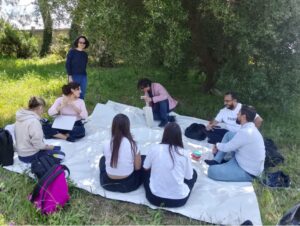
Instead of viewing regulatory voids as failures of governance, we see them as opportunities for experimentation. In these unregulated or poorly regulated areas, communities, innovators, and civil society actors can develop new models of sustainability.
A regulatory void is not a vacuum; it’s an invitation to imagine something different.
Especially in rural or climate-affected regions, these gaps provide the space for new legal, economic, and technological practices to emerge. These innovations can be community-driven and tailored to local ecosystems.
Collective Entrepreneurship in Action
One driver of this transformation is collective entrepreneurship – not the lone innovator myth, but groups of actors pooling resources, knowledge, and legitimacy to co-create solutions.
In southern Italy, farming cooperatives are turning unused land into biodiverse food forests.
In northern Kenya, communities are co-developing livestock insurance platforms with tech partners.
In Lebanon, informal seed networks are rebuilding local food systems amid state collapse.
These are not pilot projects; they are governance experiments. They are thriving not despite weak regulation, but because of the freedom it offers.
Innovation as a Right
The proposed idea of “right to innovate through experimentalism”, a concept that democratises innovation and moves beyond access to participation.
Innovation should not remain the privilege of Silicon Valley or formal R&D labs. Vulnerable communities must have the agency to define problems, prototype solutions, and help shape the very rules that govern innovation.
This involves access to funding and infrastructure, participatory legal and policy design, and recognition of non-Western knowledge systems.
A truly just innovation system includes the wisdom of the margins.
DFIs Need to Step Up?
Turning grassroots experimentation into systemic transformation requires allies and strategic engagement from key institutions.
Development Finance Institutions (DFIs) need to step up and start funding early-stage, community-led experiments, not only scalable ventures.
International organisations like the Food and Agriculture Organisation, the International Fund for Agricultural Development, and the World Food Program may embed experimental governance into climate adaptation and food security programs. They could also push national policymakers to build adaptive legal frameworks that enable safe, inclusive experimentation.
Universities and research labs should play a decisive role by technically supporting and training local entrepreneurs in these field experiments on technological, economic, legal and policy aspects.
What Comes Next?
As LabGov tries to demonstrate theoretically, empirically and practically, innovation is a critical tool for co-governance building and benefit-sharing development. It focuses on supporting regulatory experimentation in the fields of food, water, and energy nexus to tackle the climate transition in a just and democratic way.
Furthermore, innovation needs to be the result of the cooperation of multi-stakeholder partnerships across different geographical areas and to transform academic insights into practical tools for community-led development.
Innovation is the result of a co-creation process, and benefits must be shared among all those who participate in the co-creation.
The future of development is polycentric. It’s going to be more and more the result of co-governance building for sustainable innovation, local ecosystems and regulatory experimentalism that will empower vulnerable individuals, social groups and communities. This is already happening in too-long-forgotten corners of the world.

by Anna Berti Suman | Jun 27, 2025 | Aware, Event, News, The Urban Media Lab
VIDEO
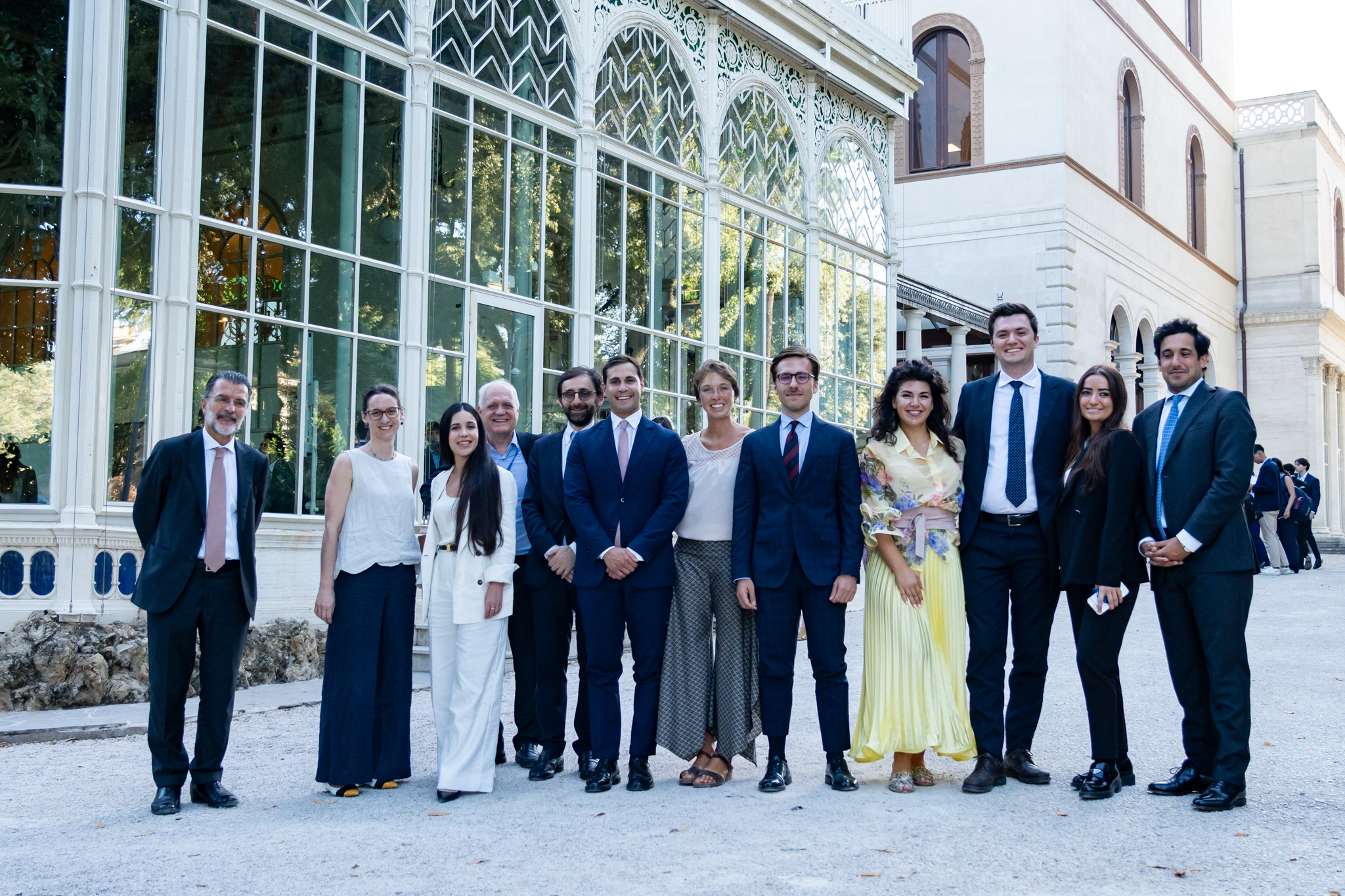
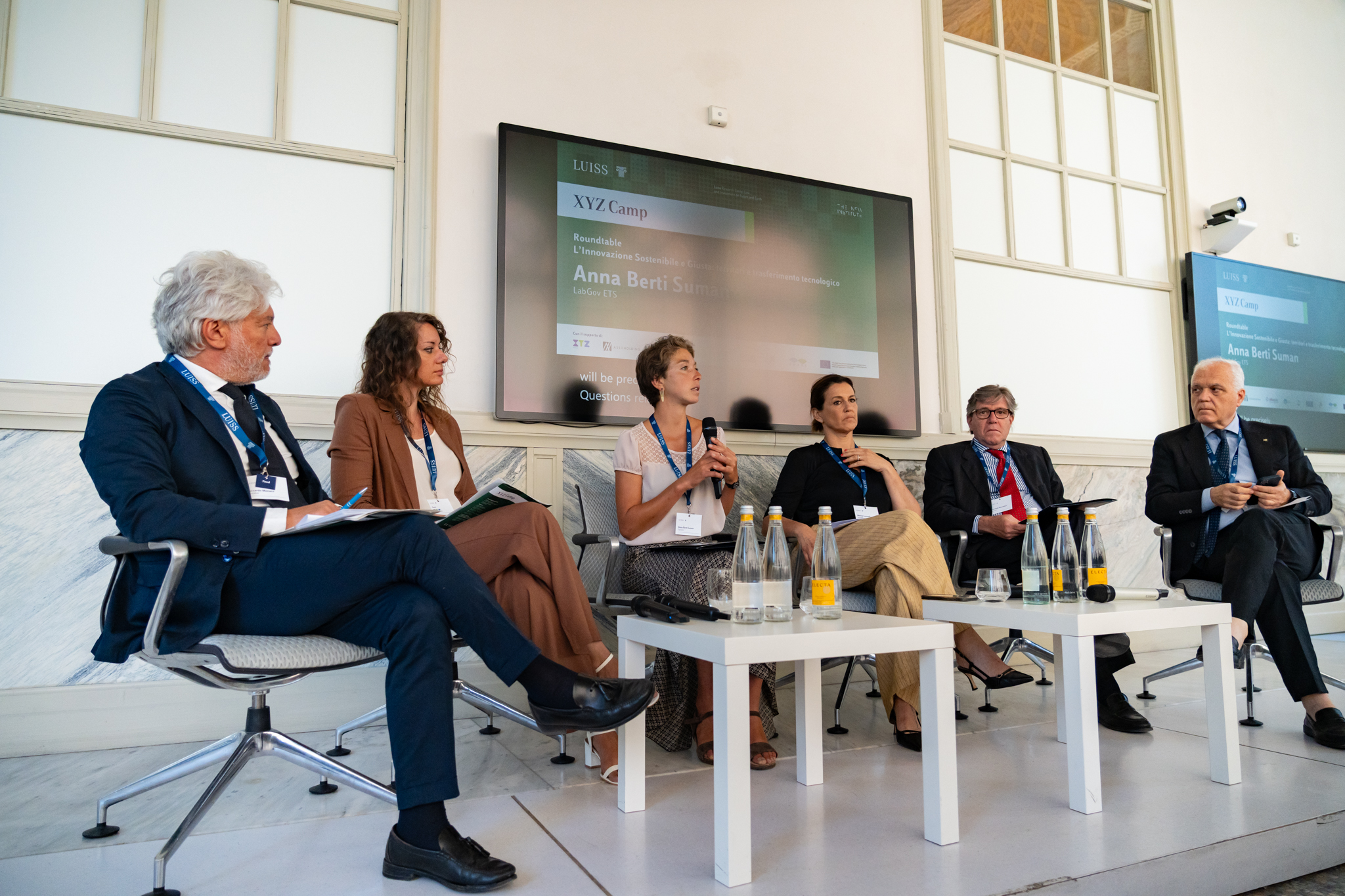
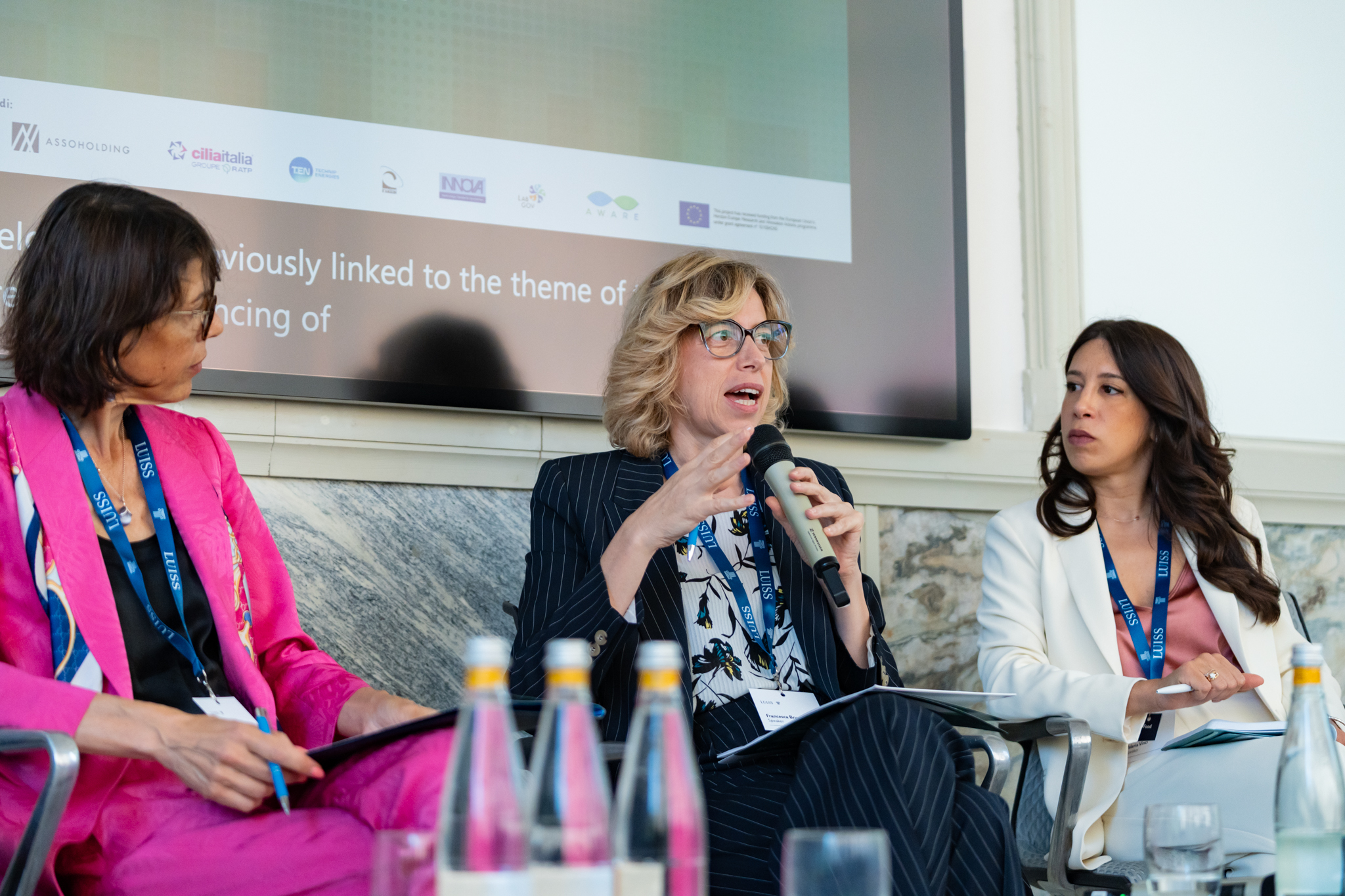
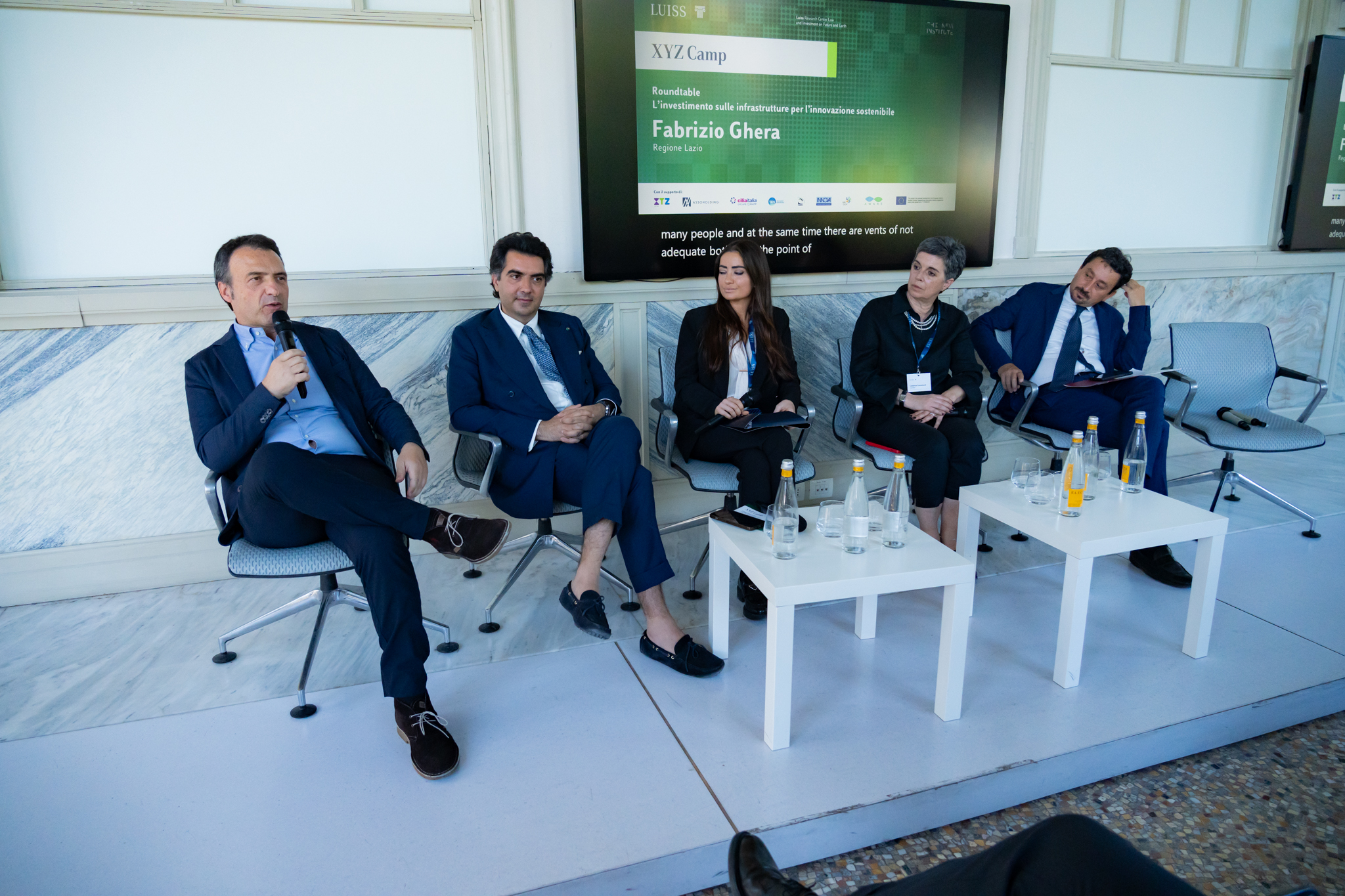
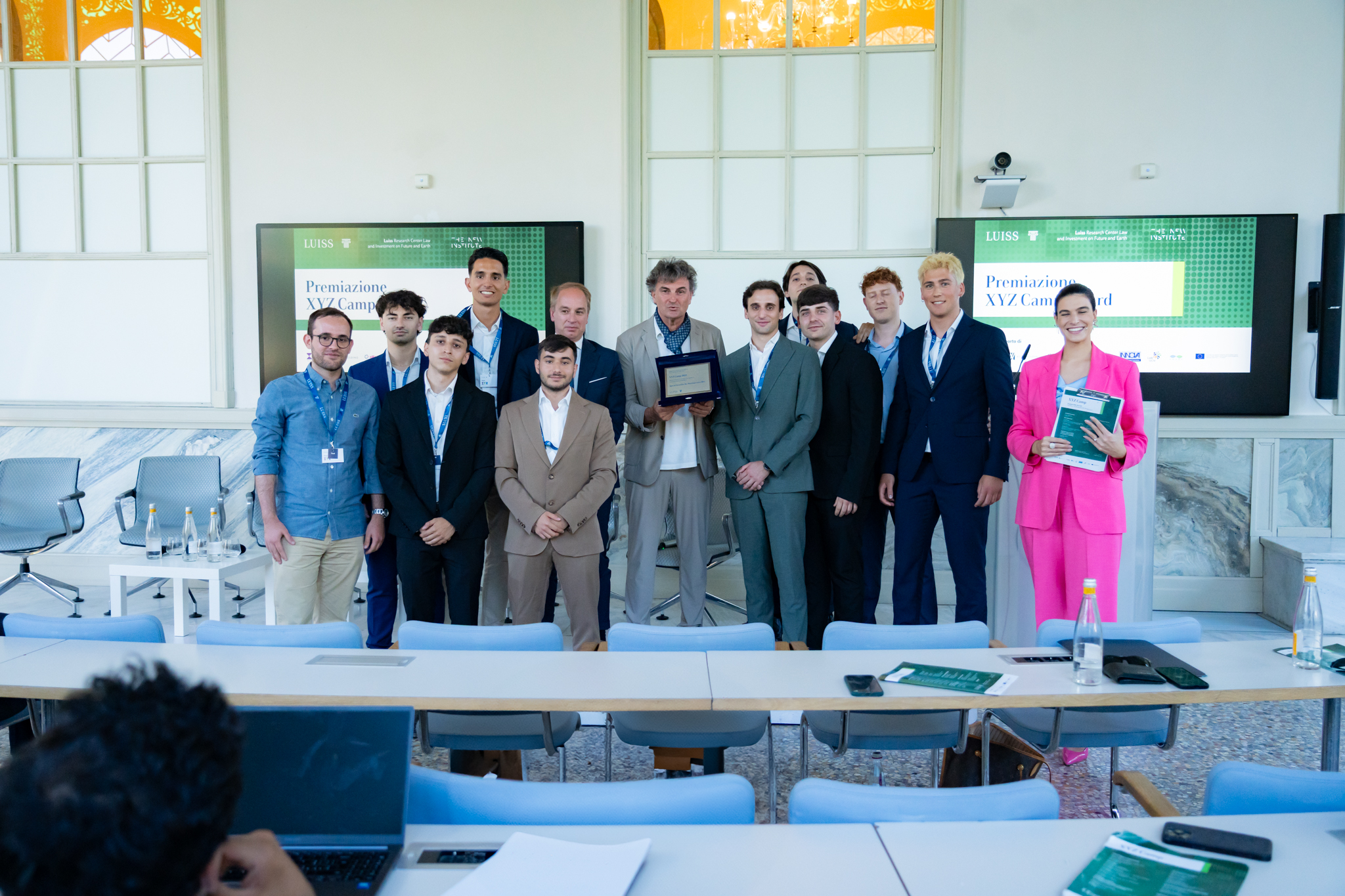
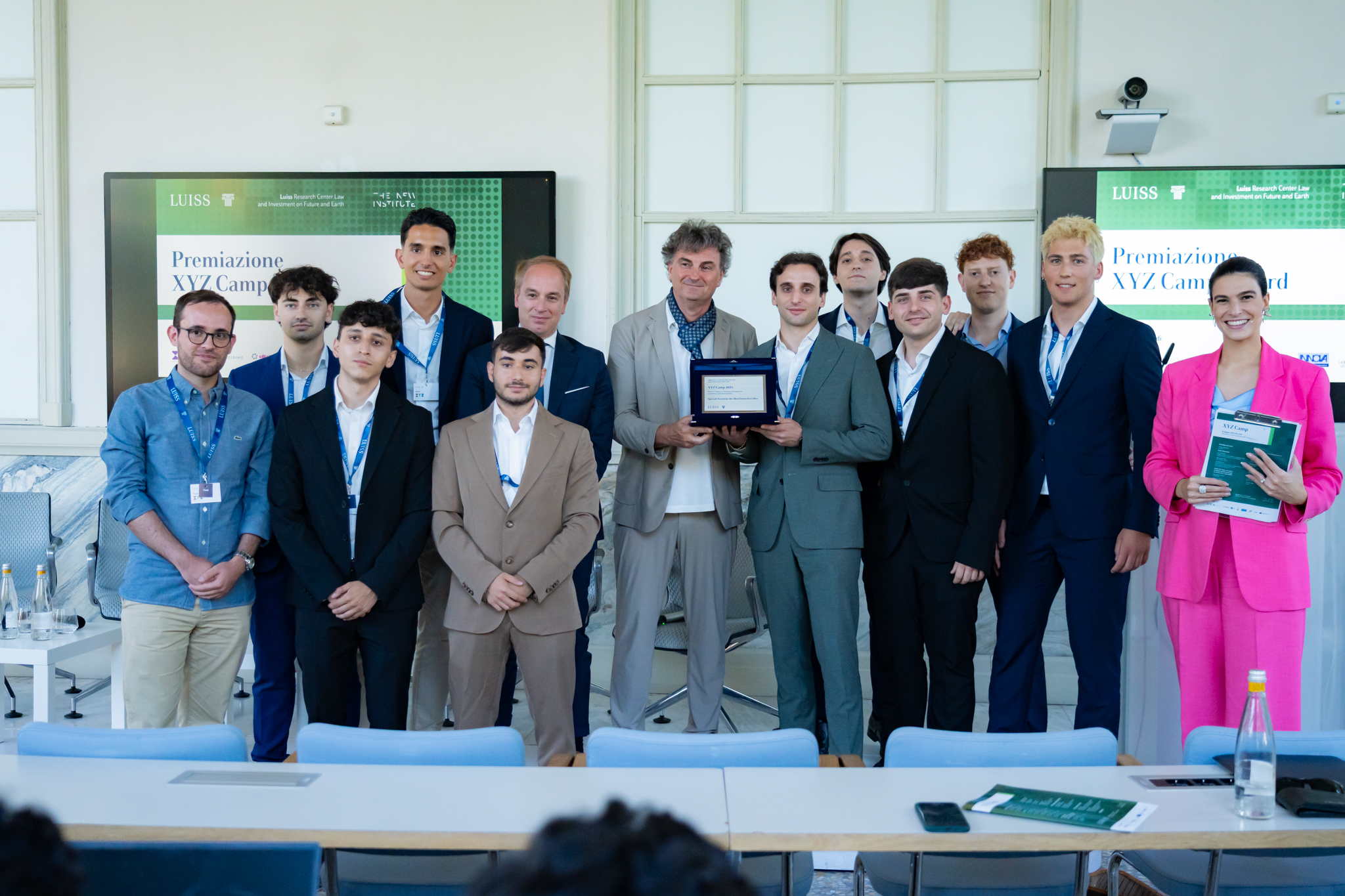
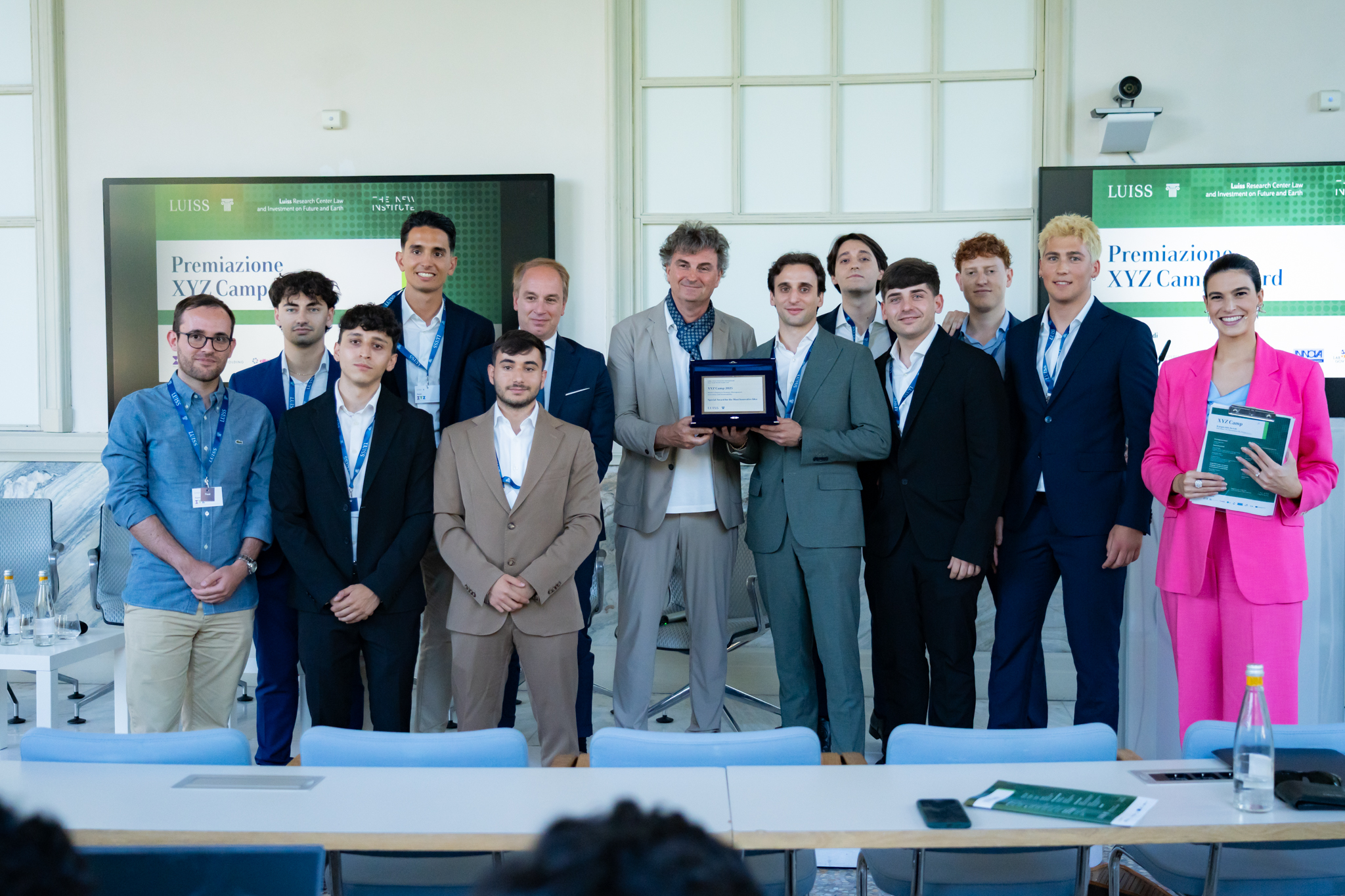
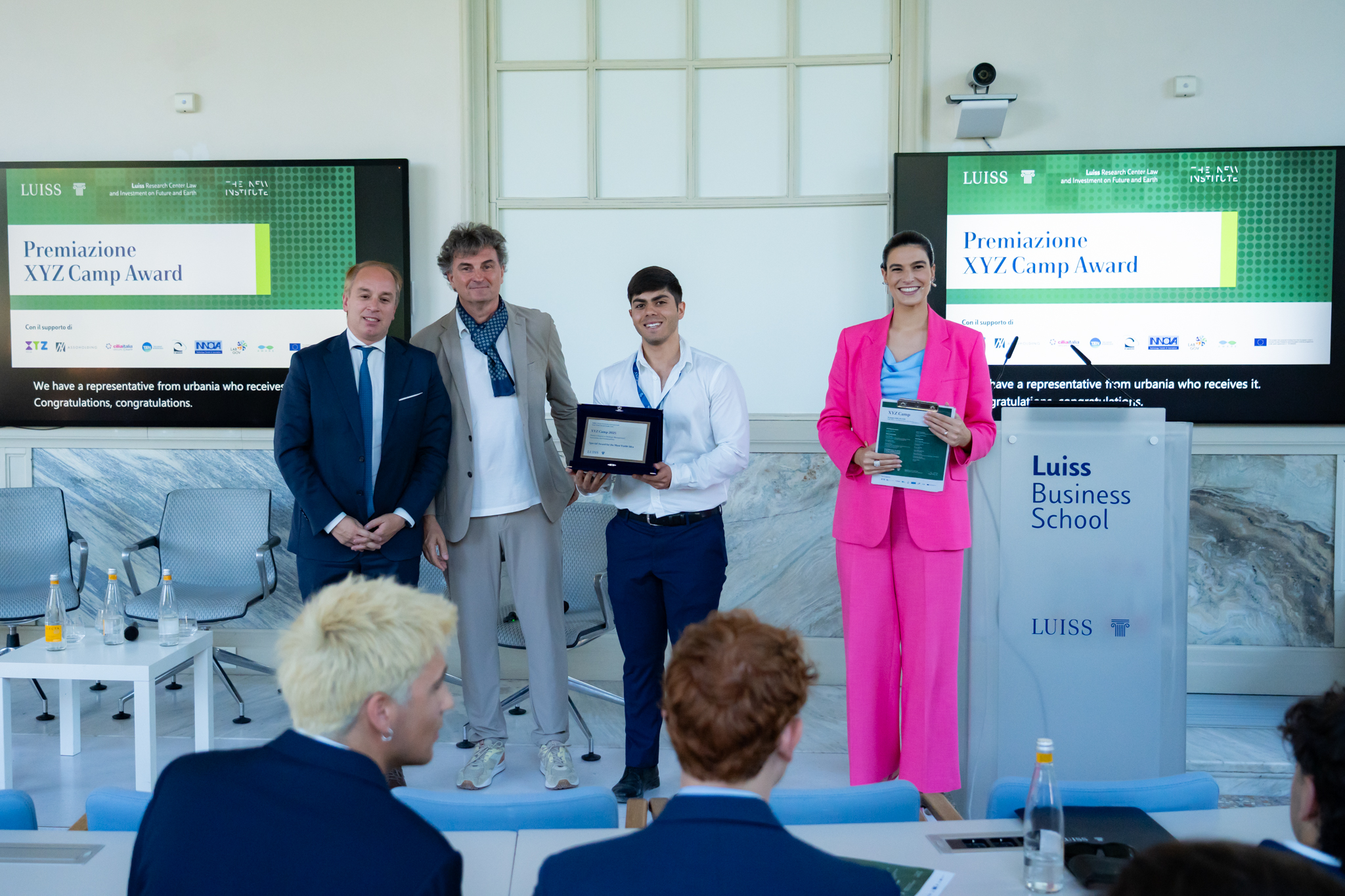
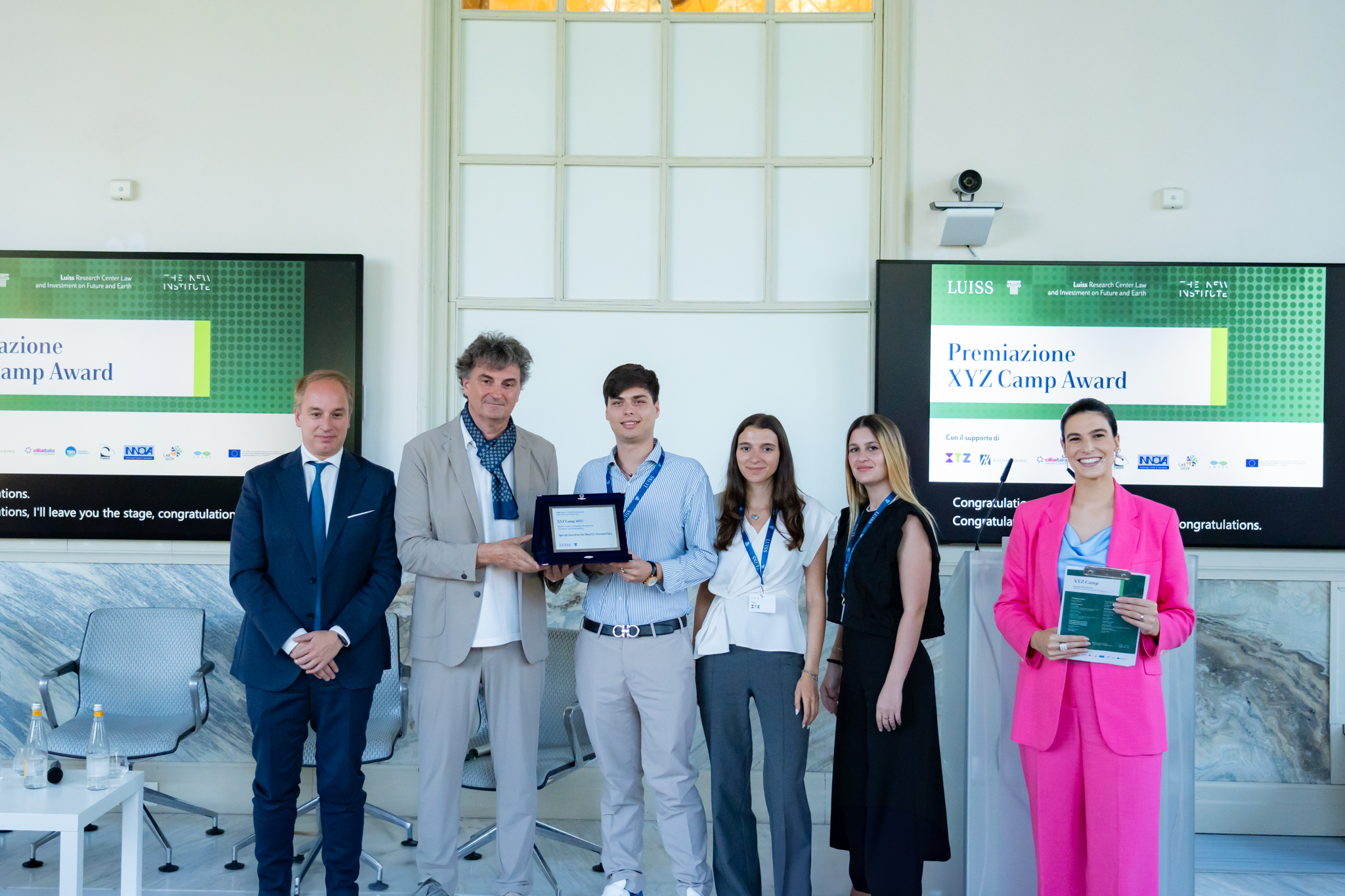
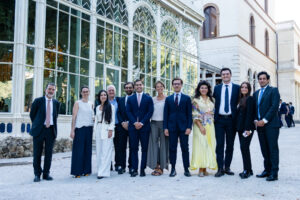
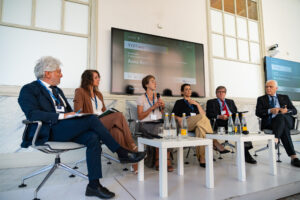
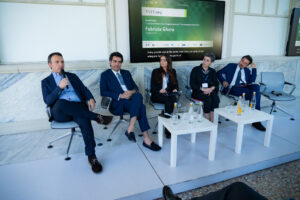
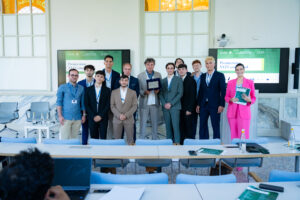
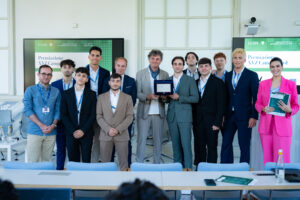
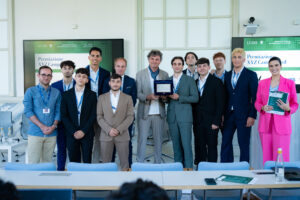
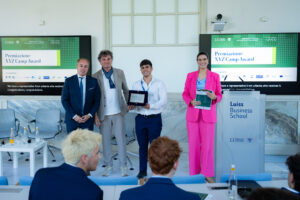
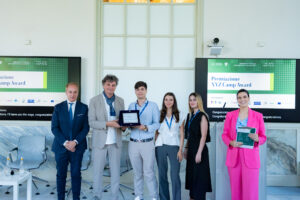
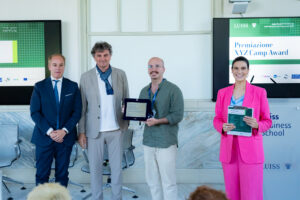
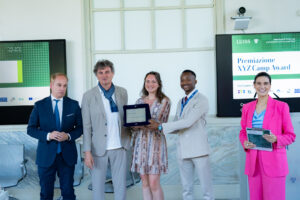
On June 26, 2025, on the beautiful premises of Villa Blanc, Luiss University, we hosted the XYZ CAMP 2025 (https://landing.luiss.it/xyzcamp/), an intergenerational event to discuss research, governance and policy approaches to address the complex topic of Just Sustainable Innovation. We engaged young talents from Luiss courses, top executives, policy-makers including from national governments and EU institutions, practitioners, professionals, government officials, NGOs leaders and academics.
The morning saw lightening talks and dynamic roundtables that touched upon compelling topics such as the spaces and knowledges that are needed to make sustainable innovation just; new ways to approach our university’s curricula to equip our students with the skills needed to face the future; the role of culture, traditions and history to advance technological progress; the centrality of territories and local institutions in steering sustainable innovation; the mission of universities and research centres in fostering technology transfer to territories in a just manner; the inclusion of peripheries and vulnerable communities in sustainable innovation and urban regeneration; the importance of co-governance and co-design processes supported by public administration; exploring the space and valuing it as a ‘common universal good’.
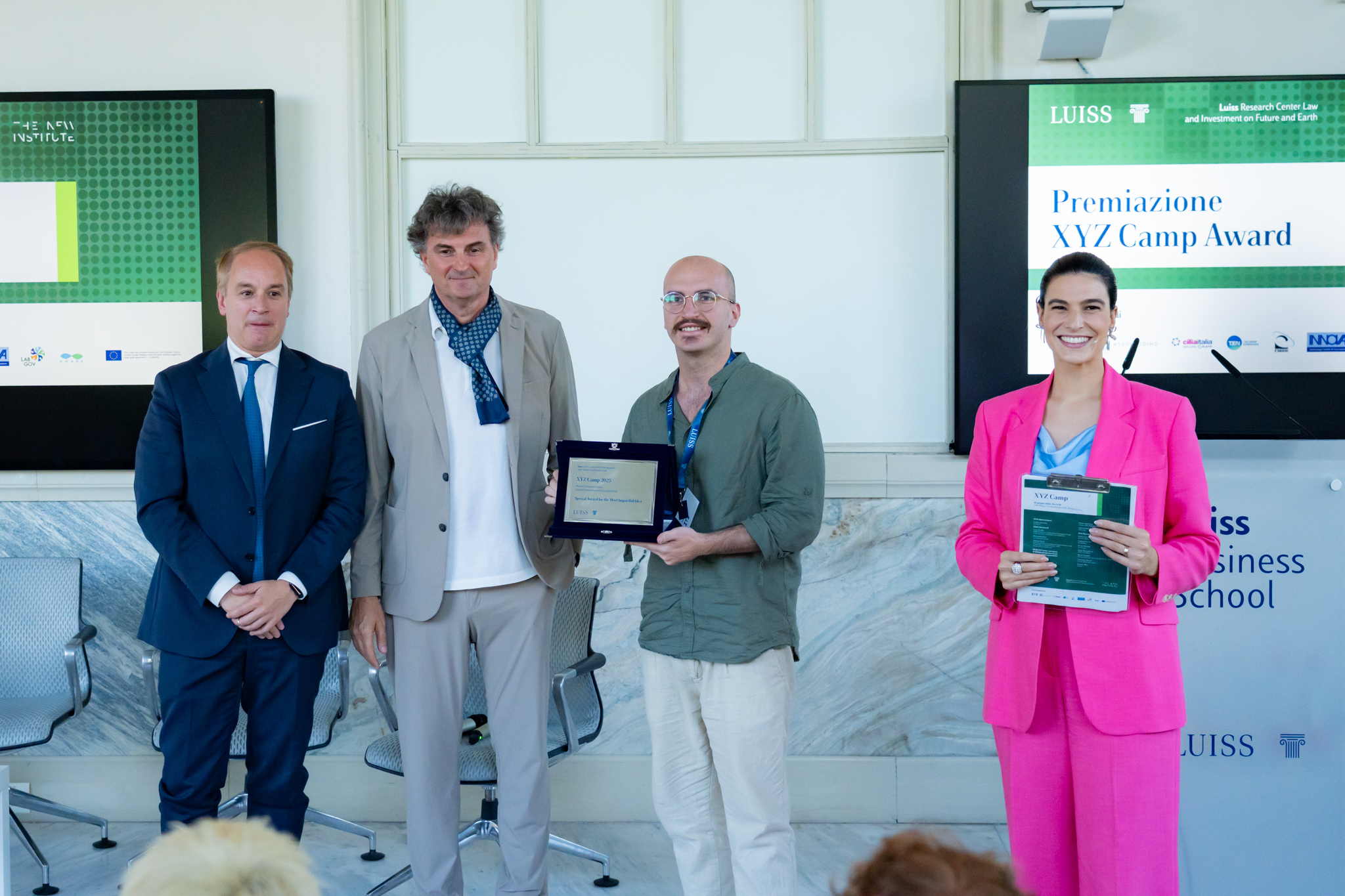
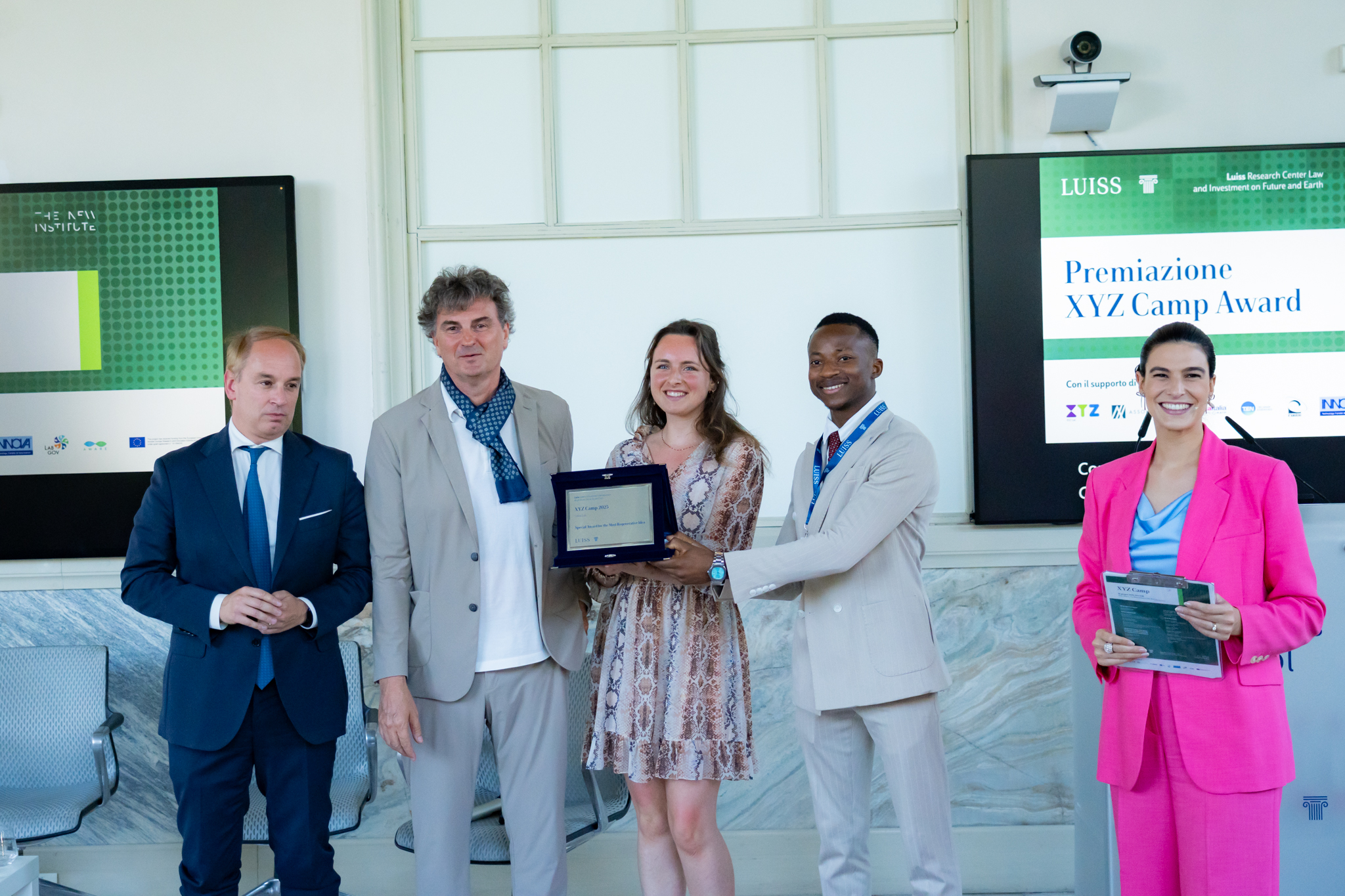
In the afternoon, students from the degree programs in Strategic Management, Innovation and Sustainability (SMIS) and Law, Digital Innovation and Sustainability (LDIS) had the chance to present their projects to a jury composed of leading corporate managers and representatives from national and EU institutions. Best projects awards have been assigned to different categories, such as the ‘most regenerative’ idea which was given to the project presented by the students that joined earlier in May the Students Bootcamp 2025: “The Puglia System for Just Sustainable Innovation”, organised in the framework of the AWARE Horizon Europe project (see https://labgov.city/theurbanmedialab/aware-stakeholder-engagement-students-bootcamp-2025-the-puglia-system-for-just-sustainable-innovation/).
Throughout this engaging day, we truly lived the motto of the XYZ Camp: “Learn from the wisdom and experience of Generation X, act with the dynamism and adaptability of Generation Y, and think with the innovative and forward-looking mindset of Generation Z!”.
A sincere thanks to all organizations, partners and participants that made the day possible.
See the full video here: VIDEO


by Anna Berti Suman | May 14, 2025 | Aware, Event, News, The Urban Media Lab
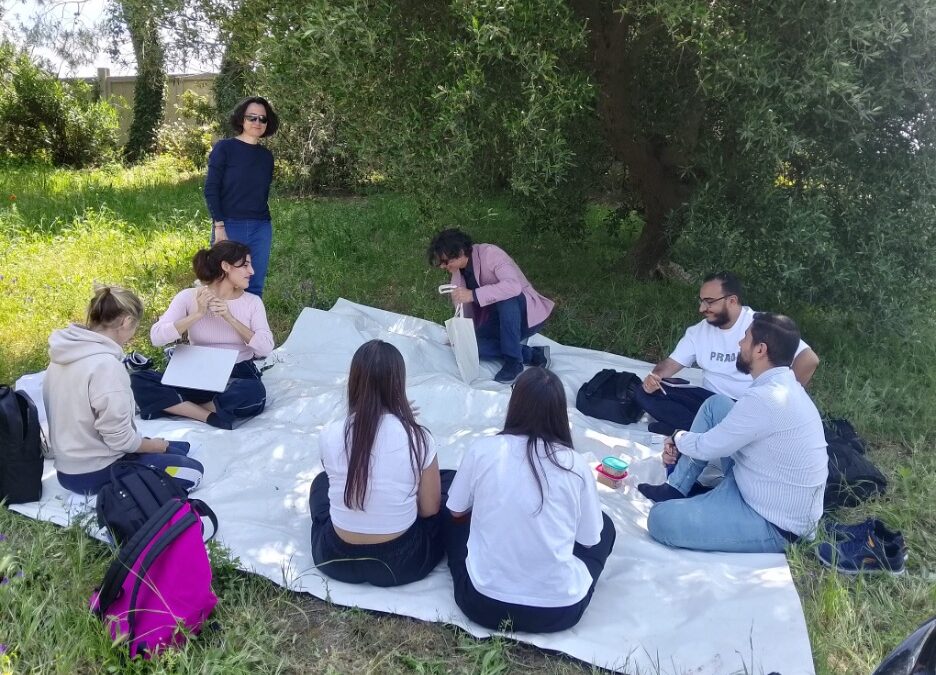
On May 14, 2025, we convened the event “Bootcamp 2025: The Puglia System for Just Sustainable Innovation”. The event represented a one-day immersive experience that engaged high school and university students, emerging scholars, young entrepreneurs, professionals from organizations, companies, and public institutions in a collective journey of co-design. Organized by Luiss University, LabGov ETS, Acquedotto Pugliese, and supported by the AWARE project partners (https://www.aware-eu.eu/) —Autorità Idrica Pugliese, the University of Salento— and with the support of the Mayor of Castellana Grotte, Region Apulia, the Apulian Regional Agency for Environmental Protection (ARPA Puglia), and the Apulian Regional Agency for Technology, Technology Transfer and Innovation (ARTI Puglia), the Bootcamp addressed real-world challenges in the just and sustainable management of water and natural resources, integrating technical, legal, social, institutional, and economic dimensions. The initiative was inspired by recent policy and legislative developments, including the Italian draft decree of 2023 on wastewater reuse, EU Regulation 2020/741 on minimum requirements for water reuse, and the new EU Directive 2024/3019 on urban wastewater, all of which seek to harmonize national and European standards to foster more sustainable agriculture and public sector innovation, particularly through tools like Article 36 of Law Decree 76/2020.
Participants included over 50 students from Luiss University, CIHEAM Bari (Mediterranean Agronomic Institute of Bari), the Universities of Bari, Foggia, Salento, and the Polytechnic of Bari, along with high school students and their teachers from IISS Luigi dell’Erba and IISS Consoli Pinto. They worked closely with mentors from Acquedotto Pugliese, Autorità Idrica Pugliese, ARPA Puglia, ARTI Puglia, Confindustria Bari, Innova, the University of Salento, CIHEAM, Luiss and LabGov ETS. One week before the event, five interdisciplinary teams were formed and assigned their challenges—rooted in five different infrastructure sites across the region—to ensure participants could begin shaping their responses ahead of time.
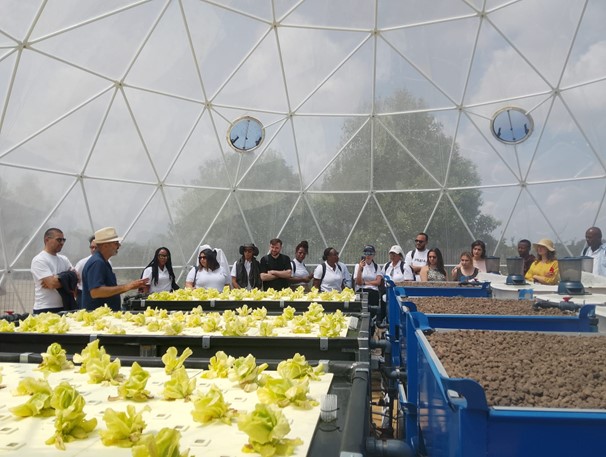
The day began in Castellana Grotte with a site visit to the AWARE aquaponics pilot plant, where participants experienced firsthand how reclaimed water can support sustainable food production through the integration of fish and vegetable farming (see https://www.aware-eu.eu/the-project/). It was a moment where inspiration met investigation, as students collected data, listened to keynote interventions from experts and from local and project leaders, and launched into a challenge that mirrored real regulatory, environmental, social and economic constraints. In the afternoon, the group moved to Bari, where they visited the headquarters of Acquedotto Pugliese and met with representatives from regional institutions such as ARPA and ARTI Puglia. There, the co-design workshops continued, as participants—supported by their mentors—refined their solutions and pitched them to a panel of experts, receiving valuable feedback and recognition for the quality, feasibility, and relevance of their proposals.
The challenges addressed were diverse and grounded in specific sites and community contexts. Challenge 1 focused on the AWARE pilot plant in Castellana Grotte, asking how to ensure its economic sustainability after the project’s end, what business models could be applied, and how the model could be replicated across other plants in Puglia and the wider Mediterranean, even adapting fish species to local ecosystems. Challenge 2, based in Lecce, explored how treated wastewater from the Ciccio Prete treatment plant could be reused through phytoremediation to irrigate the University of Salento’s Botanical Garden, closing the loop between urban water and green public spaces. Challenge 3 addressed the Poggiorsini treatment plant and proposed a Renewable Energy Community to make the facility self-sufficient, while also tackling sustainable sludge management through phytoremediation. Challenge 4 examined how biodiversity can be enhanced around wastewater treatment plants, with examples from Noci, Casamassima, and Melendugno, focusing on pollinators, native species, and green infrastructure integration. Finally, Challenge 5 asked how the Taranto desalination plant could be transformed into a hydroponic system for brine management, including which species can thrive in environments with higher salinity.
Throughout the Bootcamp, the methodology remained clear: mentorship-driven, challenge-based learning grounded in real policy frameworks and technical limitations. Participants were asked not only to imagine but to prototype tangible solutions through co-design canvases and briefs. All work revolved around five interlinked dimensions—technology, law, society, economy, and environmental impact—ensuring systemic thinking across all levels of proposal development. While all teams delivered strong contributions, the team working on Challenge 3 stood out with its innovative yet community-centred and intergenerational approach to integrating renewable energy and sustainable water reuse at the Poggiorsini site with considerations on local culture and local traditions.
The experience of Bootcamp 2025 also set the stage for the upcoming XYZ Camp 2025, an intergenerational research and innovation bootcamp that brings together Generation X, Y, and Z to respond to the challenges of ecological and digital transitions. It is not only a continuation of the co-design process but a reinforcement of the idea that learning and innovation must happen across generations. Students from the Strategic Management, Innovation and Sustainability and Law, Digital Innovation and Sustainability programs will pitch their ideas to leading European managers and institutional leaders, leveraging the insights gained through real-life experimentation and the strategic integration of social sciences and innovation management.
Interested in the XYZ Camp 2025?
Register at https://luiss.formstack.com/forms/xyz_camp_2025
Bootcamp 2025 was more than a workshop. It was a real testbed for inclusive, forward-looking innovation—locally rooted, globally connected, and powered by cooperation across sectors, disciplines, and generations! Get a glimpse of the day through this short video: WP5-AWARE-Bootcamp video.mov
Interested in replicating this experience? Contact us at staff@labgov.it
Follow AWARE at https://www.linkedin.com/company/aware-eu/posts/?feedView=all
Interested in the AWARE project? Contact us at info@aware-eu.eu.
Authors:
Anna Berti Suman
Marijana Krstic
Researchers at LabGov ETS and LUISS Law School