by Anna Berti Suman | Jan 21, 2026 | The Urban Media Lab
A quest for social and environmental justice? The experience of citizens’ assemblies and participatory monitoring
Anna Berti Suman – Research Fellow, Luiss University & LabGov
 Source: Unsplash, free image
Life in cities is often impacted by matters of concern – for example related to new infrastructural projects or emerging environmental issues – that mobilise city’s inhabitants. Ordinary people – that is, people who do not have professional qualifications – may turn to civic monitoring or to other, more structured ways to engage with the city’s socio-environmental issues (such as citizen assemblies) as they want to promote transformations.
These efforts are frequently coordinated by civic actors or non-profit organisations and rely on digital platforms as spaces for encounter and coordination. On this arena, platform communities are formed. Despite being digital, these platforms are very spatially and socially grounded, and are just coordination spaces for real-world gatherings. Platforms thus become a space for stimulating civic participation in environmental matters and for engaging them in socio-environmental transformations. This can also occur through practices of ‘commoning’ and co-governance.
A recent study published in the ‘Handbook of Platform Urbanism’, questions how civic environmental monitoring and citizens’ assemblies, can effectively steer and foster socio-environmental transformations in particular based on the experiences deployed in the city of Milan, Italy. These experiences are an occasion to question processes of inclusion and exclusion, the level of civic agency, and the actual impact on democratic decision-making.
The two practices discussed can be seen as an affirmation of environmental procedural rights, enshrined in the Aarhus Convention by UNECE (the United Nations Economic Commission for Europe), in particular the right to access to environmental information and to meaningfully participate in environmental decisions.
Citizens’ assemblies are a form of deliberative democracy in which a group of representative citizens are brought together to deliberate upon and make recommendations on a particular issue, including on climate law and policy for example. Civic environmental monitoring is a practice in which ordinary people collect environmental data, often to demand public interventions, such as environmental law enforcement.
The two forms of participation share common features and can have a complementary value. Both instruments can be useful in fostering an informed public opinion and facilitating collective decision-making processes. However, as the cited study argues, they have different influences on the implementation of the decisions taken. In the preliminary phase of the citizens’ assembly, civic monitoring could information for the collective deliberation and decision. Moreover, civic monitoring could be used to watch over the implementation of the decisions taken. Indeed, citizens’ assemblies have deliberative and, in some cases, binding powers, and have the mandate to translate civic inputs into concrete actions.
These less structured (civic monitoring) and more structured (citizens’ assemblies) instruments can be strategic to face collectively complex and divisive social and environmental justice matters. The synergy between these instruments can augment the social capital of a citizens’ assembly, developing the skills and competencies of the participants, and strengthening local knowledge, complementing technical and/or scientific knowledge on a certain topic with the socio-cultural context. In conclusion, city planners and decision-makers should look at these practices and their synergy as an opportunity to build better evidence on a certain matter and take decisions of better quality.

by Anna Berti Suman | Jun 27, 2025 | Aware, Event, News, The Urban Media Lab
VIDEO
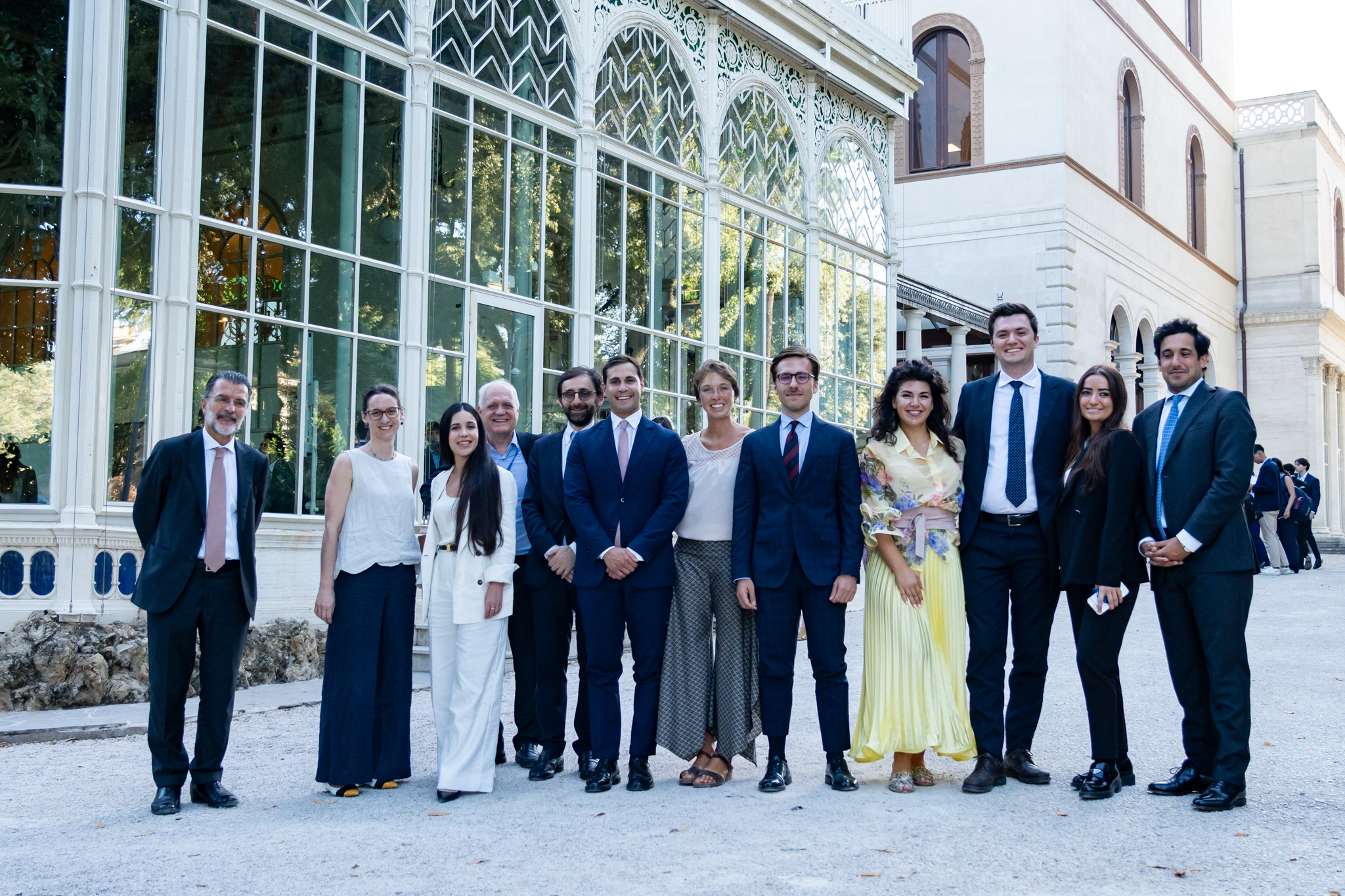
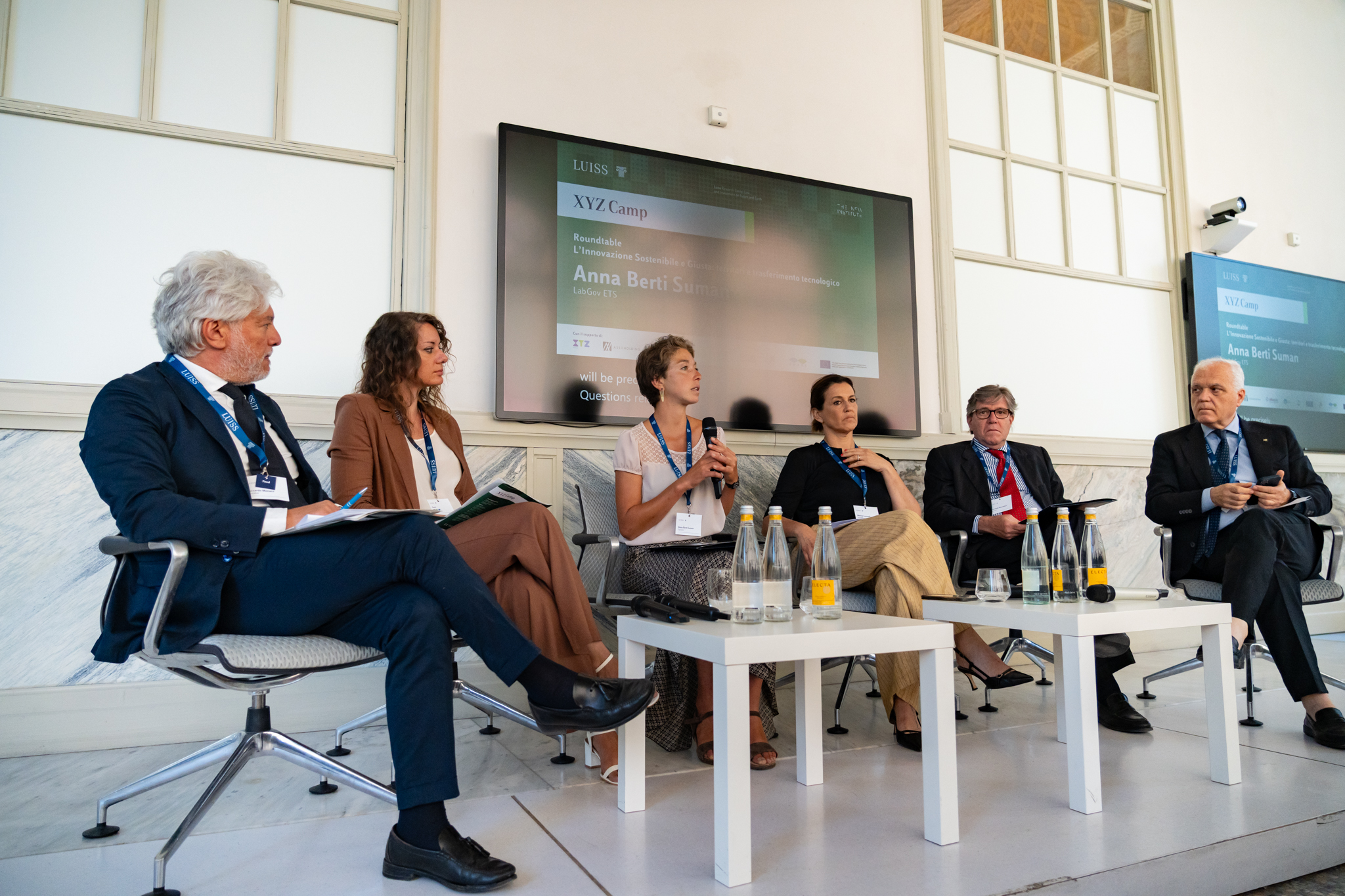
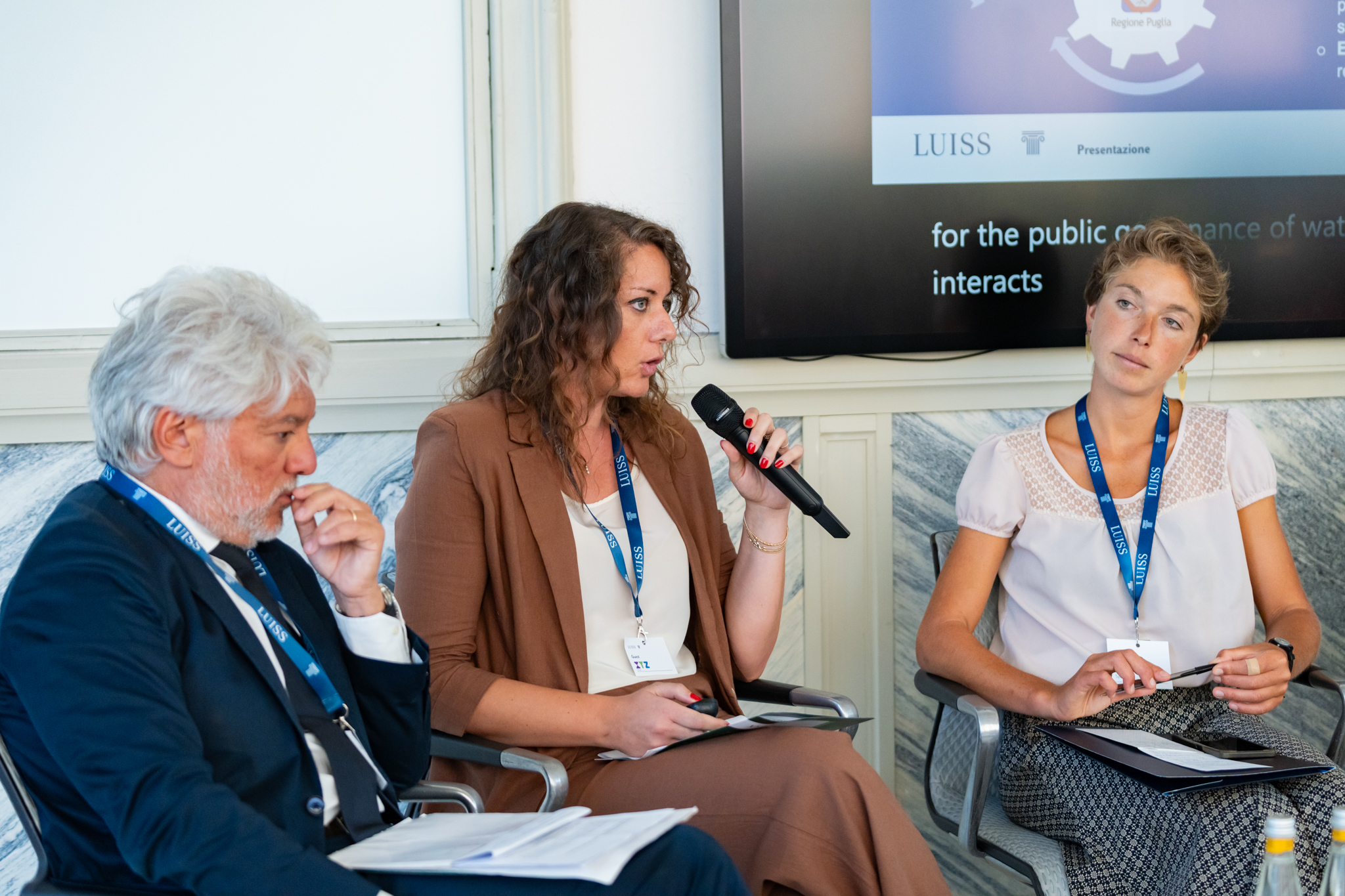
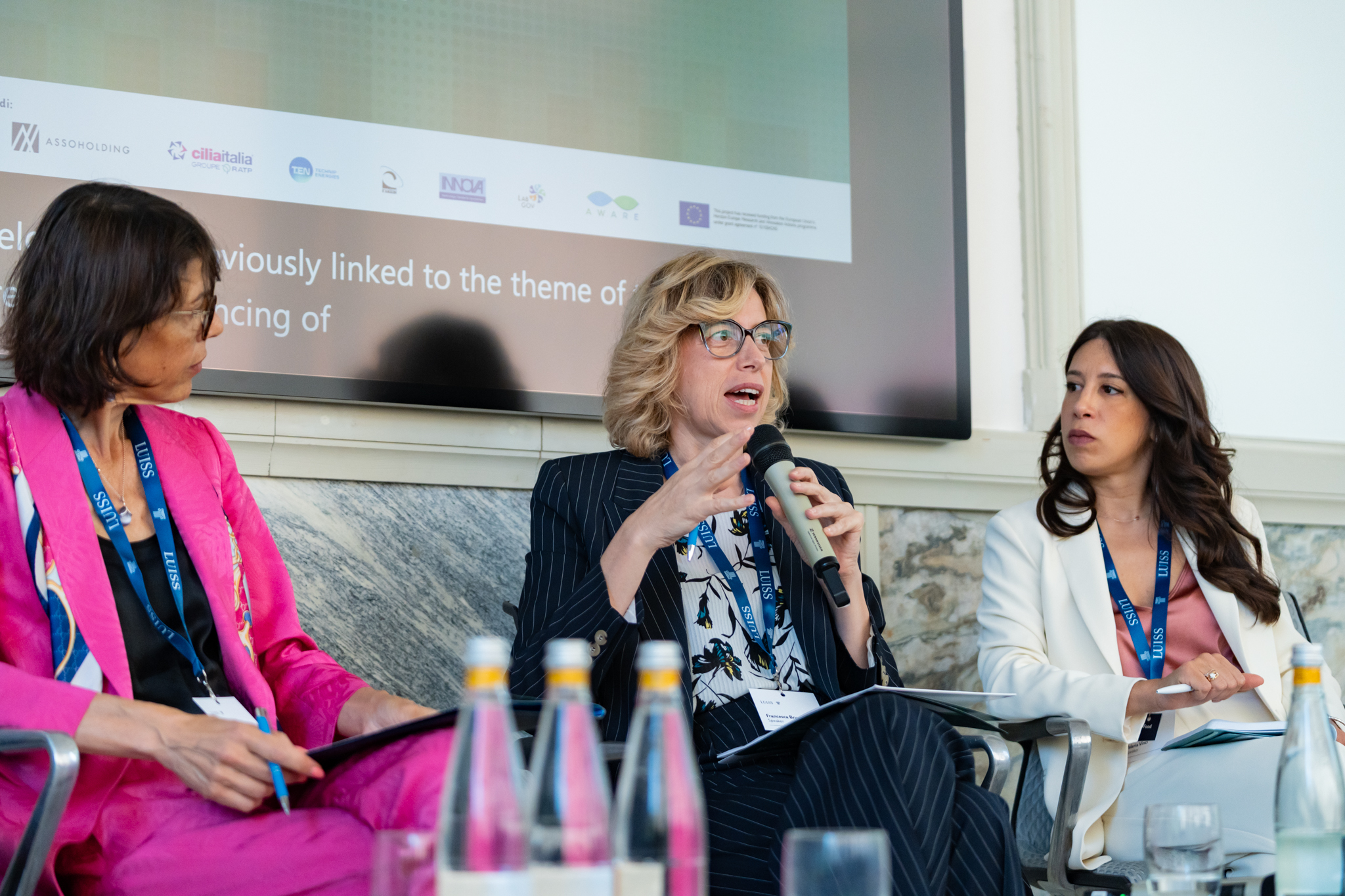
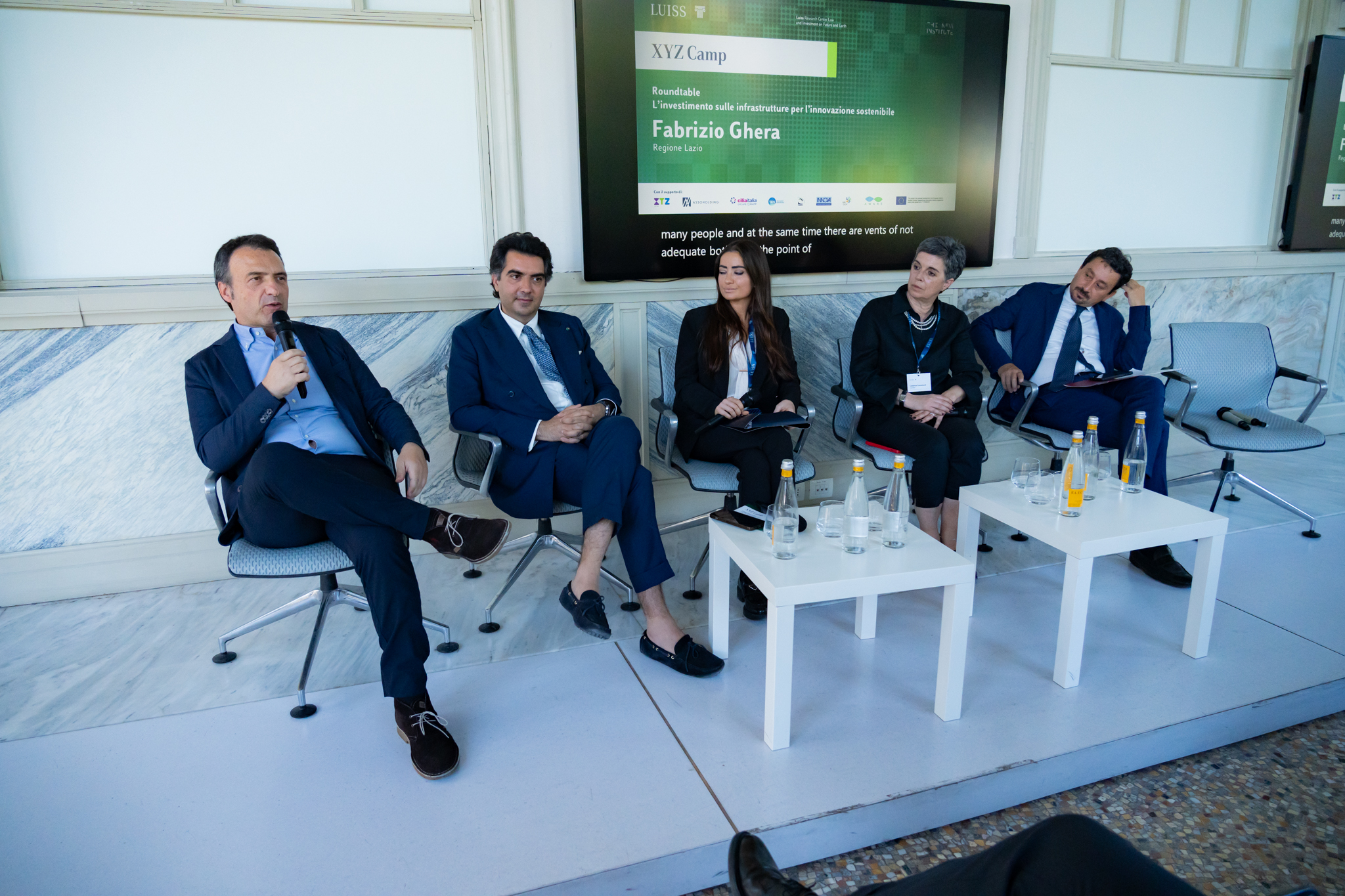
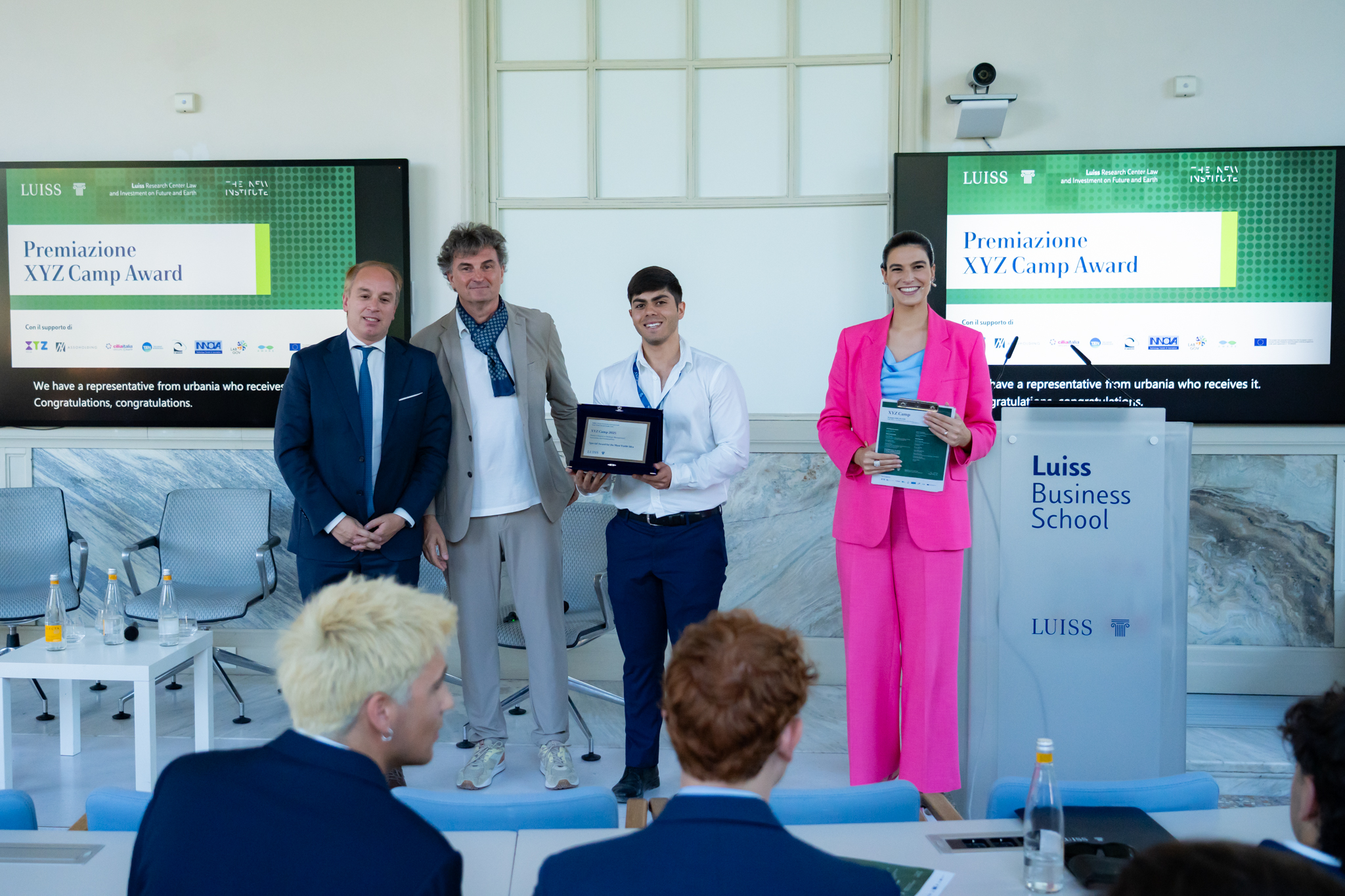
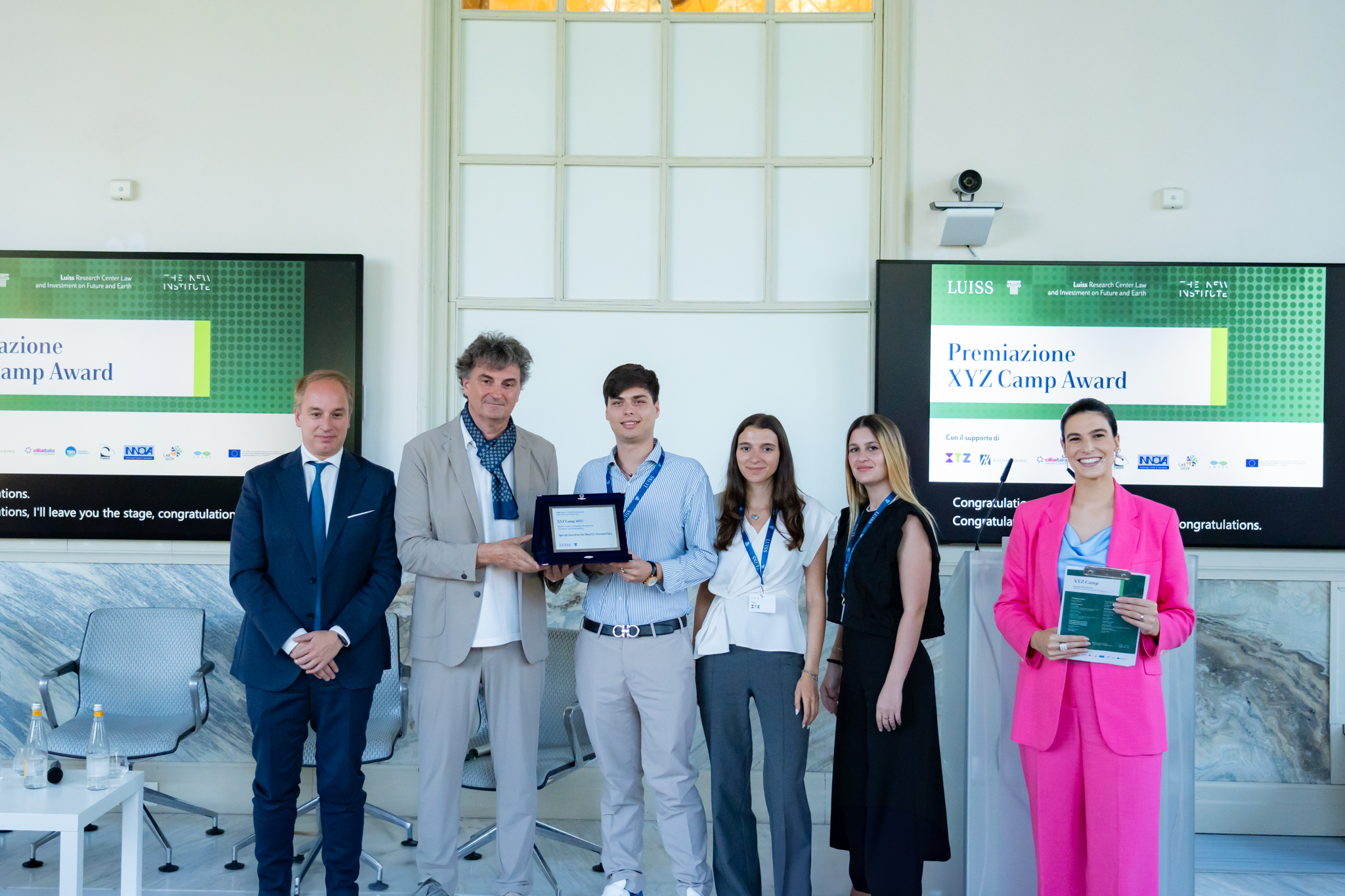
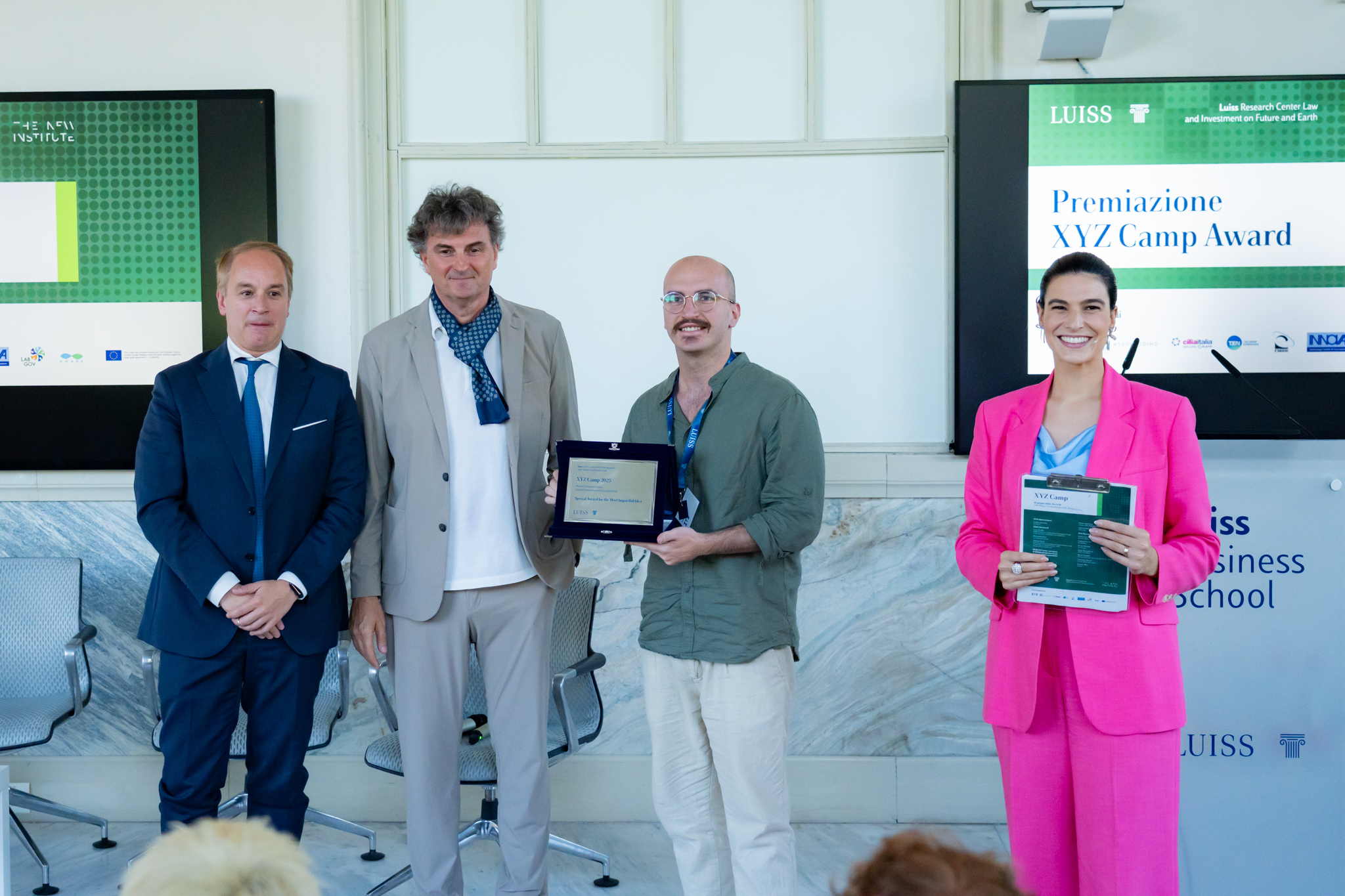
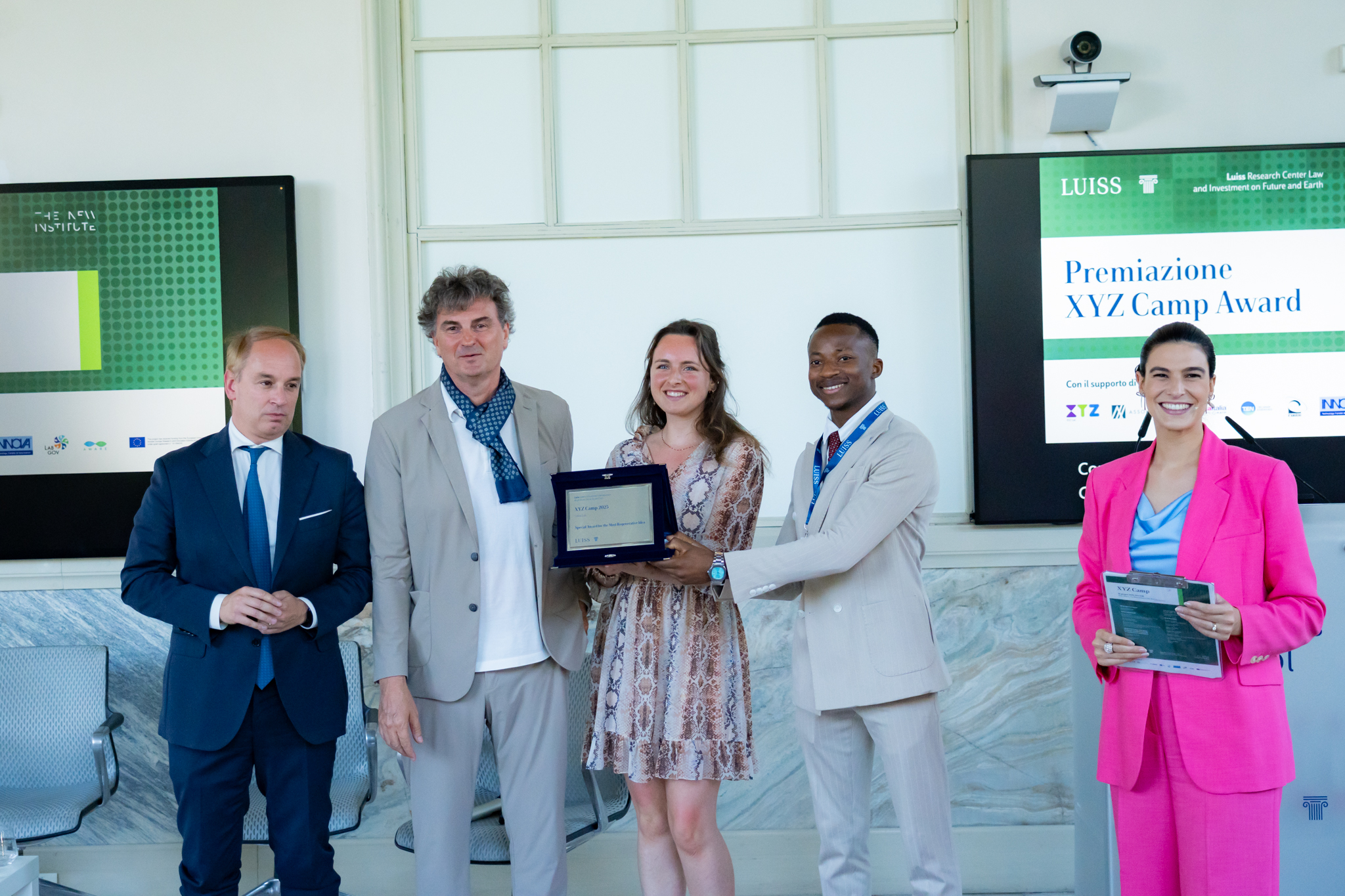
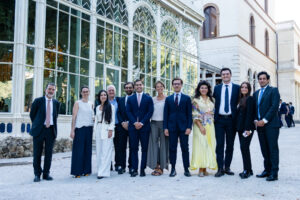
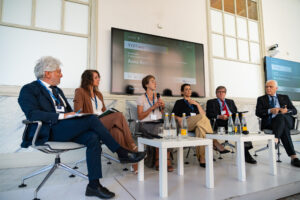
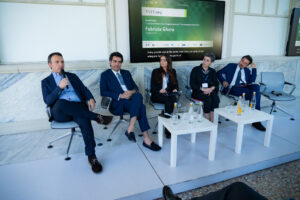
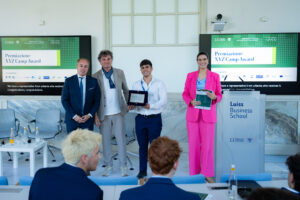
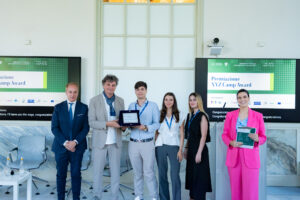
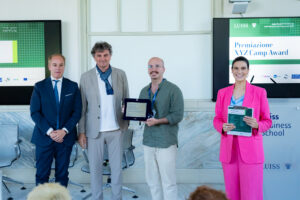
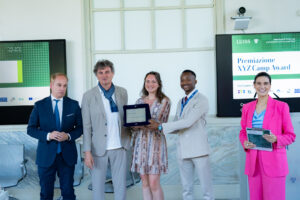
On June 26, 2025, on the beautiful premises of Villa Blanc, Luiss University, we hosted the XYZ CAMP 2025 (https://landing.luiss.it/xyzcamp/), an intergenerational event to discuss research, governance and policy approaches to address the complex topic of Just Sustainable Innovation. We engaged young talents from Luiss courses, top executives, policy-makers including from national governments and EU institutions, practitioners, professionals, government officials, NGOs leaders and academics.
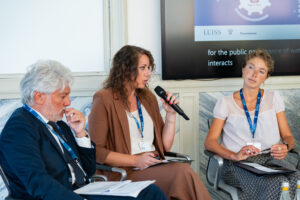
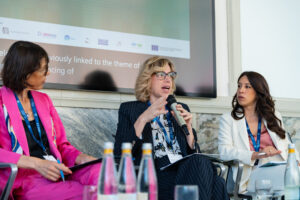
The morning saw lightening talks and dynamic roundtables that touched upon compelling topics such as the spaces and knowledges that are needed to make sustainable innovation just; new ways to approach our university’s curricula to equip our students with the skills needed to face the future; the role of culture, traditions and history to advance technological progress; the centrality of territories and local institutions in steering sustainable innovation; the mission of universities and research centres in fostering technology transfer to territories in a just manner; the inclusion of peripheries and vulnerable communities in sustainable innovation and urban regeneration; the importance of co-governance and co-design processes supported by public administration; exploring the space and valuing it as a ‘common universal good’.
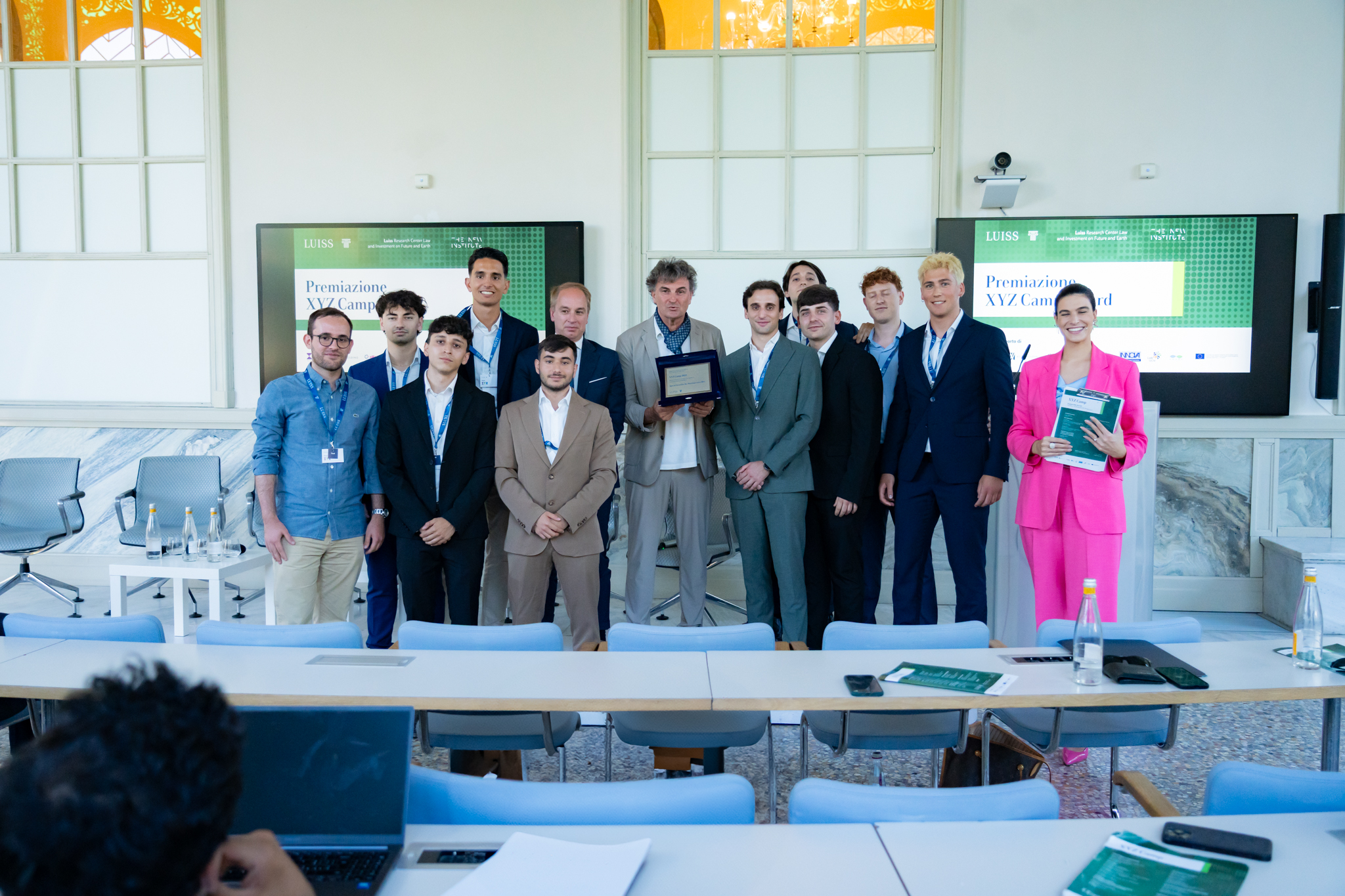
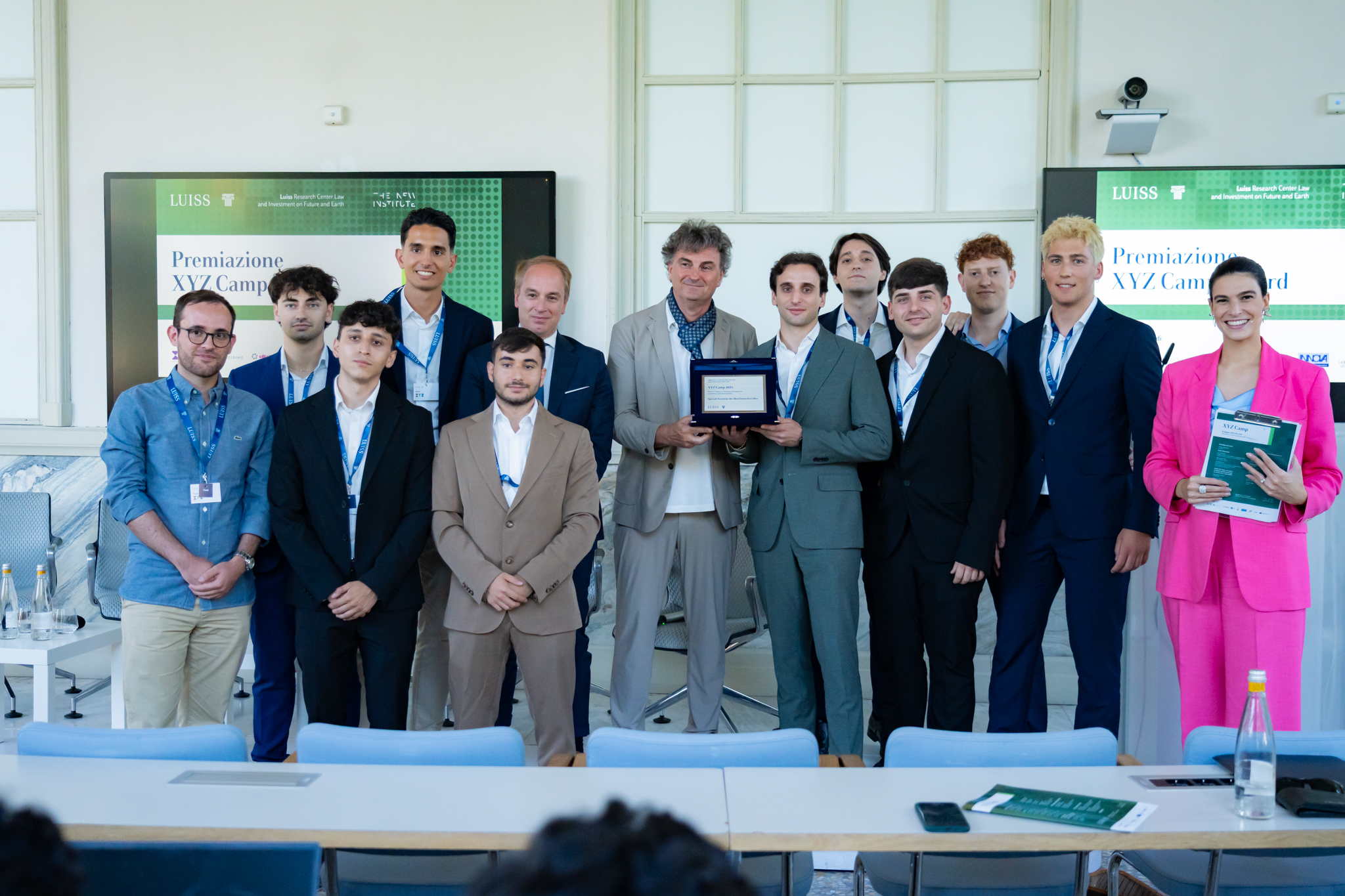
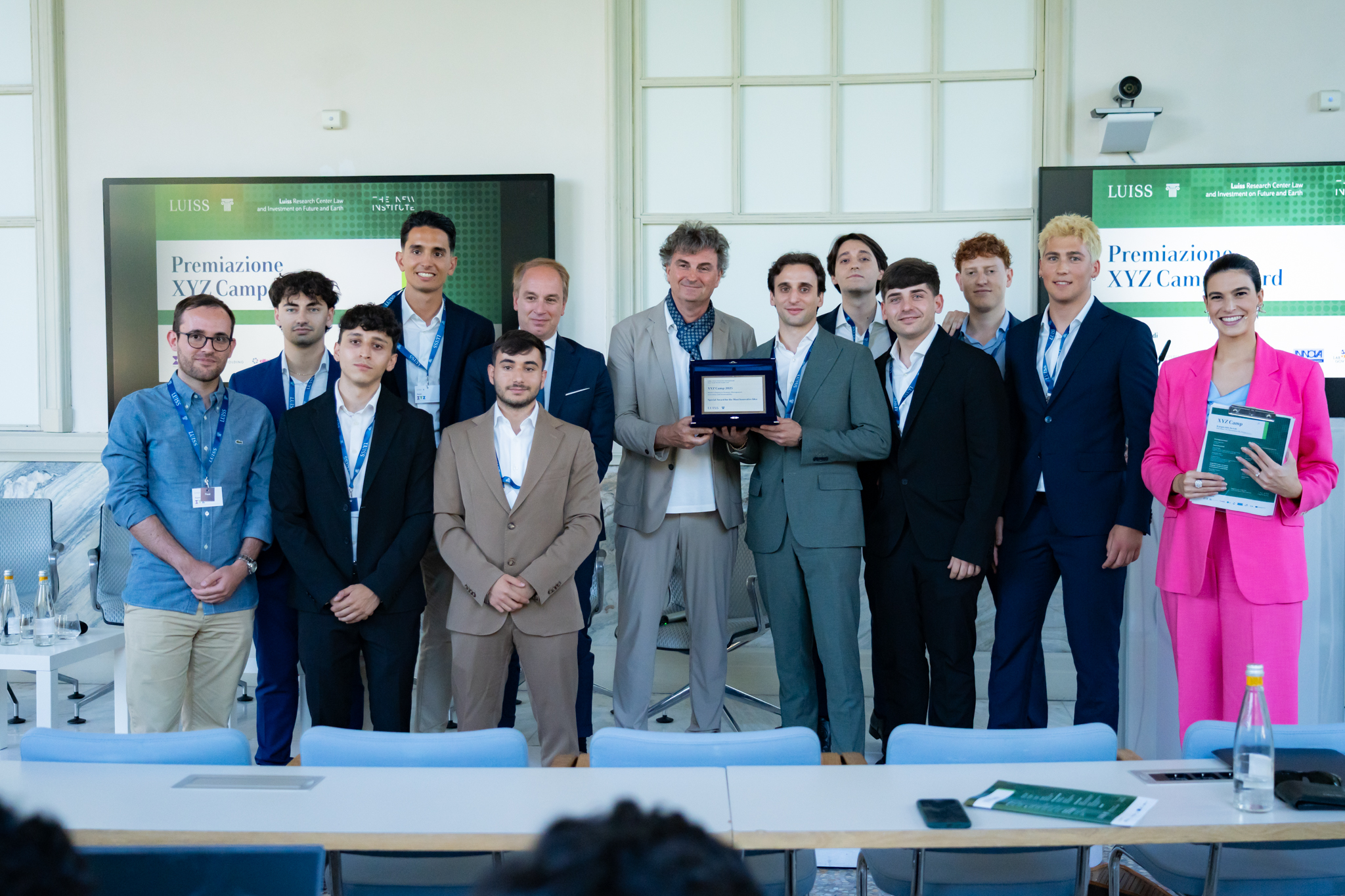
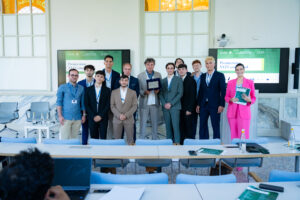
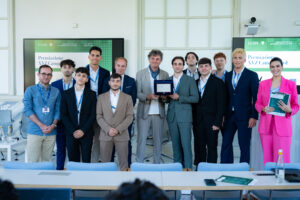
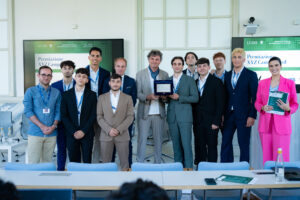
In the afternoon, students from the degree programs in Strategic Management, Innovation and Sustainability (SMIS) and Law, Digital Innovation and Sustainability (LDIS) had the chance to present their projects to a jury composed of leading corporate managers and representatives from national and EU institutions. Best projects awards have been assigned to different categories, such as the ‘most regenerative’ idea which was given to the project presented by the students that joined earlier in May the Students Bootcamp 2025: “The Puglia System for Just Sustainable Innovation”, organised in the framework of the AWARE Horizon Europe project (see https://labgov.city/theurbanmedialab/aware-stakeholder-engagement-students-bootcamp-2025-the-puglia-system-for-just-sustainable-innovation/).
Throughout this engaging day, we truly lived the motto of the XYZ Camp: “Learn from the wisdom and experience of Generation X, act with the dynamism and adaptability of Generation Y, and think with the innovative and forward-looking mindset of Generation Z!”.
A sincere thanks to all organizations, partners and participants that made the day possible.
See the full video here: VIDEO
by Anna Berti Suman | May 14, 2025 | Aware, Event, News, The Urban Media Lab
On May 14, 2025, we convened the event “Bootcamp 2025: The Puglia System for Just Sustainable Innovation”. The event represented a one-day immersive experience that engaged high school and university students, emerging scholars, young entrepreneurs, professionals from organizations, companies, and public institutions in a collective journey of co-design. Organized by Luiss University, LabGov ETS, Acquedotto Pugliese, and supported by the AWARE project partners (https://www.aware-eu.eu/) —Autorità Idrica Pugliese, the University of Salento— and with the support of the Mayor of Castellana Grotte, Region Apulia, the Apulian Regional Agency for Environmental Protection (ARPA Puglia), and the Apulian Regional Agency for Technology, Technology Transfer and Innovation (ARTI Puglia), the Bootcamp addressed real-world challenges in the just and sustainable management of water and natural resources, integrating technical, legal, social, institutional, and economic dimensions. The initiative was inspired by recent policy and legislative developments, including the Italian draft decree of 2023 on wastewater reuse, EU Regulation 2020/741 on minimum requirements for water reuse, and the new EU Directive 2024/3019 on urban wastewater, all of which seek to harmonize national and European standards to foster more sustainable agriculture and public sector innovation, particularly through tools like Article 36 of Law Decree 76/2020.
Participants included over 50 students from Luiss University, CIHEAM Bari (Mediterranean Agronomic Institute of Bari), the Universities of Bari, Foggia, Salento, and the Polytechnic of Bari, along with high school students and their teachers from IISS Luigi dell’Erba and IISS Consoli Pinto. They worked closely with mentors from Acquedotto Pugliese, Autorità Idrica Pugliese, ARPA Puglia, ARTI Puglia, Confindustria Bari, Innova, the University of Salento, CIHEAM, Luiss and LabGov ETS. One week before the event, five interdisciplinary teams were formed and assigned their challenges—rooted in five different infrastructure sites across the region—to ensure participants could begin shaping their responses ahead of time.
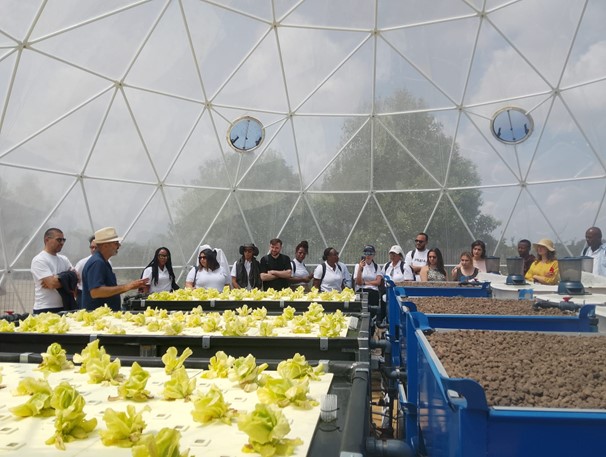
The day began in Castellana Grotte with a site visit to the AWARE aquaponics pilot plant, where participants experienced firsthand how reclaimed water can support sustainable food production through the integration of fish and vegetable farming (see https://www.aware-eu.eu/the-project/). It was a moment where inspiration met investigation, as students collected data, listened to keynote interventions from experts and from local and project leaders, and launched into a challenge that mirrored real regulatory, environmental, social and economic constraints. In the afternoon, the group moved to Bari, where they visited the headquarters of Acquedotto Pugliese and met with representatives from regional institutions such as ARPA and ARTI Puglia. There, the co-design workshops continued, as participants—supported by their mentors—refined their solutions and pitched them to a panel of experts, receiving valuable feedback and recognition for the quality, feasibility, and relevance of their proposals.
The challenges addressed were diverse and grounded in specific sites and community contexts. Challenge 1 focused on the AWARE pilot plant in Castellana Grotte, asking how to ensure its economic sustainability after the project’s end, what business models could be applied, and how the model could be replicated across other plants in Puglia and the wider Mediterranean, even adapting fish species to local ecosystems. Challenge 2, based in Lecce, explored how treated wastewater from the Ciccio Prete treatment plant could be reused through phytoremediation to irrigate the University of Salento’s Botanical Garden, closing the loop between urban water and green public spaces. Challenge 3 addressed the Poggiorsini treatment plant and proposed a Renewable Energy Community to make the facility self-sufficient, while also tackling sustainable sludge management through phytoremediation. Challenge 4 examined how biodiversity can be enhanced around wastewater treatment plants, with examples from Noci, Casamassima, and Melendugno, focusing on pollinators, native species, and green infrastructure integration. Finally, Challenge 5 asked how the Taranto desalination plant could be transformed into a hydroponic system for brine management, including which species can thrive in environments with higher salinity.
Throughout the Bootcamp, the methodology remained clear: mentorship-driven, challenge-based learning grounded in real policy frameworks and technical limitations. Participants were asked not only to imagine but to prototype tangible solutions through co-design canvases and briefs. All work revolved around five interlinked dimensions—technology, law, society, economy, and environmental impact—ensuring systemic thinking across all levels of proposal development. While all teams delivered strong contributions, the team working on Challenge 3 stood out with its innovative yet community-centred and intergenerational approach to integrating renewable energy and sustainable water reuse at the Poggiorsini site with considerations on local culture and local traditions.
The experience of Bootcamp 2025 also set the stage for the upcoming XYZ Camp 2025, an intergenerational research and innovation bootcamp that brings together Generation X, Y, and Z to respond to the challenges of ecological and digital transitions. It is not only a continuation of the co-design process but a reinforcement of the idea that learning and innovation must happen across generations. Students from the Strategic Management, Innovation and Sustainability and Law, Digital Innovation and Sustainability programs will pitch their ideas to leading European managers and institutional leaders, leveraging the insights gained through real-life experimentation and the strategic integration of social sciences and innovation management.
Interested in the XYZ Camp 2025?
Register at https://luiss.formstack.com/forms/xyz_camp_2025
Bootcamp 2025 was more than a workshop. It was a real testbed for inclusive, forward-looking innovation—locally rooted, globally connected, and powered by cooperation across sectors, disciplines, and generations! Get a glimpse of the day through this short video: WP5-AWARE-Bootcamp video.mov
Interested in replicating this experience? Contact us at staff@labgov.it
Follow AWARE at https://www.linkedin.com/company/aware-eu/posts/?feedView=all
Interested in the AWARE project? Contact us at info@aware-eu.eu.
Authors:
Anna Berti Suman
Marijana Krstic
Researchers at LabGov ETS and LUISS Law School

by Anna Berti Suman | Jun 11, 2018 | The Urban Media Lab
Few weeks ago the EU General Data Protection Regulation (GDPR)[i] entered into force. Apart from introducing new guarantees for privacy and data protection, the Regulation also affects the sharing of research data among researchers (see, for example, the case of health and medical data).[ii] In a scientific and academic environment which tends to encourage cooperation among researchers and co-production of knowledge, the implications of the GDPR for research need to be questioned.
Recently, a trend of improving science and academic practice through a greater sharing of data and findings has expanded, especially at the EU level. This trend is demonstrated by a number of initiatives aimed at stimulating openness of research findings. Within this ‘push’ towards a more reflexive science, the EU Open Data and Open Science programs, enhanced by the EU Horizon 2020 strategy and by the ‘Science with and for Society’ framework, can be situated. A statement launched during the workshop ‘Open Data in Science: Challenges and Opportunities for Europe’ (Brussels, 31 January 2018) summarizes this trend: it is affirmed that ‘publicly funded scientists [should] make their research data available in reusable format in order to enhance the quality and effectiveness of science and as a contribution to help address societal and environmental challenges.’ The availability and openness of research output (but also of meta-data) seems the key to achieving the sought co-production of scientific knowledge. This ultimate aim resonates with the FAIR Principle, also stressed during the workshop: a ‘Findable, Accessible, Interoperable, Reusable’ research is presented as the way forward to ensure verifiability and robustness of science. A change in research culture is welcomed in the closing words of the Statement. The assessment of scientific practice and research should no longer reward ‘closed science’, rather the cooperation among researchers to better find answers to the complex interrogatives of today society should be considered and acknowledged as a value.
A recent example of the EU Open Science’s aims is represented by the ‘European Open Science Cloud’ initiative (EOSC), an EU virtual infrastructure where scientists are invited to share scientific data across disciplinary, social and geographical.[iii] Another noteworthy example is the ‘Open Access’ (OA) policy promoted at the EU level. OA aims at freely providing access to scientific information in a reusable format. The co-production here is brought a step further: not only openness and sharing among researchers, but also inclusion of society in the dissemination of scientific results. This inclusion appears the first step to ensure that civil society actors take a leading role in the co-production of knowledge.
The move towards Open Science at the EU level intersects with the ‘Science and Society’ Action Plan promoted by the European Commission with the aim of better connecting science and EU citizens. This action plan developed into the ‘Science in Society’, underlining the need for public engagement of civil society in science, and recently became ‘Science with and for Society’. In an EU research agenda where science should be devoted to social inclusion and should be placed ‘at the service’ of society, it seems worth to question which research data and scientific results can still be freely made open and shared, under the new GDPR.

A visual representation of networked research centers
The question of the implications of the GDPR for scientific openness derives from the principles underlying the new regulation, namely that of data minimization. In addition, the GDPR provides for more stringent limits for data sharing and data storage. On one side the research exemption inserted within the GDPR (Art. 89 GDPR) seems ensuring that scientific research will be mostly unaffected, however research practices will strongly have to change in order to be aligned with the new provisions. If both Open Science and data protection are goals currently prioritized in the EU agenda, it is opportune to question whether a conflict between the two aims may exist.
What seems worrisome is the possible disincentive that the GDPR will produce on research cooperation. The GDPR indeed mandates for more stringent requirements for data sharing among research units. Researchers in different research centres, for example, in two universities based in two different countries working on the same research project, will be prevented from sending material via mail or other online services, unless a data treatment agreement will be signed among them. Apart from the consequences for research speed, there is the risk that these additional requirements will discourage researchers from collaborating and sharing research findings.
In view of this possible adverse consequences of the GDPR for research cooperation, it will be advisable for European universities to ensure data processing agreements with extra-EU research units, in order to facilitate the sharing of research findings by individual researchers. In addition, accessible procedures and modules should be developed in order to align research practices to the GDPR, without harming the goal of openness. A balance between cooperation in research and data protection will have to be careful established, to the benefit of the research process and of society at large.
[i] EU General Data Protection Regulation (GDPR): Regulation (EU) 2016/679 of the European Parliament and of the Council of 27 April 2016 on the protection of natural persons with regard to the processing of personal data and on the free movement of such data, and repealing Directive 95/46/EC (General Data Protection Regulation), OJ 2016 L 119/1.
[ii] Menno Mostert and others, ‘Big Data In Medical Research And EU Data Protection Law: Challenges To The Consent Or Anonymise Approach’ (2015) 24 European Journal of Human Genetics.
[iii] The Commission High Level Expert Group on the European Open Science Cloud. Realising the European Open Science Cloud (Publications Office of the European Union 2016), p.6.
Il presente articolo illustra le possibili conseguenze che il Nuovo Regolamento Europeo per la Protezione dei Dati (GDPR) avrà sulla cooperazione tra ricercatori. La recente tendenza a livello europeo verso una scienza ‘trasparente’ e in costante dialogo con la società viene illustrata attraverso rilevanti esempi, come i programmi ‘Open Science’, ‘Open Access’ e ‘Science with and for Society’ lanciati negli ultimi anni dall’UE. Nonostante tali iniziative, la GDPR sembra suggerire la necessità di ridurre la condivisione di dati tra ricercatori e di coprire tale condivisione con specifici accordi. Ciò potrebbe sostanzialmente disincentivare la collaborazione tra ricercatori, specialmente con unità di ricerca al di fuori del territorio UE. La necessita di bilanciare le esigenze di protezione dei dati con quelle di una scienza ‘accessibile’ risulta evidente.

by Anna Berti Suman | Jan 22, 2018 | The Urban Media Lab
The idea of proactive citizen engagement in Science and Policy-Making has recently attracted the institutional interest at the European Union level. In particular, the Joint Research Centre of the European Commission has often dealt with the topic in recent years. Worth to be quoted is the JRC Science for Policy Report “Citizen Engagement in Science and Policy-Making” released in 2016 [1]. The report shows an open and welcoming approach from the Commission towards citizen-driven contributions to science and policy. The JRC explicitly affirms (JRC, 2016, 3) that citizen engagement in heavily ‘expert-based’ sectors can “boost in democratic legitimacy, accountability and transparent governance”. Furthermore, the JRC acknowledges the potential of citizen involvement for enhancing “trust building among citizens and institutions as well as ownership of policy outcome. The Centre recognizes a shift from the mere “info-giving” to increasingly participatory deliberation practices “at each stage of the policy-making process” (JRC, 2016, 3) and, even more relevant, a push from “asking the citizens” to “co-creating with citizens” (JRC, 2016, 32).
Apart from increasing legitimacy and trust, the JRC stresses the benefits for the EC’s strategic planning itself, by underlining that people’s inputs “can offer a unique understanding of societal concerns, desires and needs” and thus a better targeting of EC’s actions. Moreover, the value of this contribution is identified in the provision by citizens of “evidence for policy-making and evaluation of policy decisions” as well as “ideas for new policies or services.”
The JRC in its report (JRC, 2016, 4) identifies also the main challenges to a proper inclusion of inputs from laymen’s knowledge in science and policy. First, the Centre stresses how the “predominant paradigm for policy-making is based on expert inputs (evidence based) in detriment of non-expert or lay knowledge coming from other parts of society.” The advice from the JRC to the Commission seems encouraging for more participatory practice and for a reconsideration of the “usefulness and validity of non-traditional inputs coming from citizens, communities or other groups”.
However, data quality and reliability of the knowledge fed by the lay people when it comes to inclusive science and policy seems crucial, together with transparency and disclosure of possible conflicts of interests. The modalities for gathering laymen’s input should be clearly defined and integration strategies properly agreed. Lastly, the need to go “beyond usual suspects” (the tech-connected wealthy citizens) in this inclusive science and policy is underlined by the report. At p.9 of the document (JRC, 2016, 9) a series of practical examples of citizen engagement in EU’s policy and science are illustrated, such as the initiatives ‘MakingSense’, ‘MyGEOSS’ and ‘DigitalEarthLab’.
The call of the JRC for a “dialogue across co-existing worldviews and knowledge production spaces in science, society and policy” (JRC, 2016, 7) seems particularly timely in present times in which the need of a dialogue between top and bottom stakeholders seems increasingly urgent. Facing Science and Policy-Making challenges through an inclusive and open-minded approach would contribute to the establishment of this dialogue. In the end, both top and bottom players share common interests or, at least, can constructively face each other’s needs to reach together a compromise, towards the establishment of a shared interest. In cases of post-normal science problems, the achievement of this shared or common interest will be even harder. However, those problems are highly of public interest and demand for the inclusion of all the concerned stakeholders in their governance.
[1] Figueiredo Nascimento, S., Cuccillato, E., Schade, S., Guimarães Pereira, A. 2016. Citizen Engagement in Science and Policy-Making. EUR 28328 EN, doi: 10.2788/40563.
Il presente articolo illustra la crescente necessità di coinvolgere il cittadino nei processi politici e scientifici, come percepita dalle istituzioni a livello europeo. In particolare, l’articolo focalizza l’attenzione sulla prospettiva del Joint Research Center (JRC) dell’Unione Europea sul tema. Viene illustrata la posizione del JRC, il quale incoraggia la creazione di un dialogo condiviso nell’interazione tra scienza, società e politica. Tale appello sembra di particolare attualità oggigiorno, in considerazione della complessità dei problemi che la nostra società deve affrontare. In effetti, le sfide odierne spesso riguardano interessi comuni a più attori sociali, ed il compromesso tra loro, come anche il reciproco ascolto, sembrano gli unici mezzi per raggiungere una definizione di “interesse comune”.

 Source: Unsplash, free image