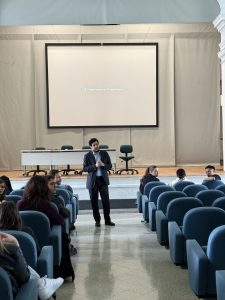
On March 17, 2025, Santa Maria della Pietà (SMdP) opened its doors to students from IIS Domizia Lucilla and LUISS-LabGov researchers as part of the Neighborhood Laboratories Project under the Urban Integrated Plan (PUI), funded by the PNRR, aimed at redeveloping the SMdP Complex. Representing LUISS-LabGov were Drs. Allegra Eusebio, Rubina Michela Galeotti, Marijana Krstic, and Stella Scocco, as well as Drs. Adriano Contardi, Mario Manna, Antonio Persico, and Flavio Petrocelli, who promoted the co-design activities of an innovative laboratory aimed at enhancing the historical and agricultural heritage of SMdP. Contributions included testimonies from representatives of the Cobragor cooperative and the association Ortisti Storici Cura Valle Fontana, as well as Dr. Alvisi from ASL Roma 1. Students from the institute participated actively as potential users of the Complex.
The event began around 10:00 am in Sala Basaglia, attended by students from three different classes of the institute, representing agricultural and hospitality studies.
Dr. Manna opened the event, briefly greeting participants on behalf of LUISS-LabGov and thanking the speakers. Subsequently, the school’s principal, Dr. Ada Maurizio, emphasized the educational value of the project, highlighting the area’s need for redevelopment due to existing socio-economic difficulties. She expressed appreciation for both the institute’s involvement and the symbolic value of the hall hosting the event.
Next, Dr. Baldini from the Department of Urban Planning of Roma Capitale recalled with satisfaction the earlier meeting held at IIS Domizia Lucilla on January 23, 2025, which produced original and interesting proposals. Dr. Baldini emphasized that Rome is Europe’s largest agricultural municipality, presenting significant opportunities for local agro-food production and consumption. He introduced the agricultural potential of Rome, particularly focusing on the SMdP area, which is set to host Europe’s largest urban garden.
Dr. Sabri, Vice President of the XIV Municipality, introduced an anecdote from Rome’s Etruscan era, emphasizing land as a common mother, providing sustenance yet requiring care. This care of the land, he stated, enhances well-being through the efforts and experiences involved in cultivating high-quality products.
Following institutional greetings, Dr. Eusebio outlined the day’s agenda and objectives, urging students to carefully consider testimonies about preserving the memory of agricultural heritage, seeking a balanced approach between urban and agricultural development in a complex city like Rome.
Subsequently, a joint presentation was delivered by Michele Mansi from Ortisti Storici and Emanuele Manta from Cobragor, which included historical and contemporary photographs of the SMdP area and Casal del Marmo. This presentation focused on the historical evolution of SMdP’s agricultural system from the Etruscan period to the present, emphasizing its agricultural and health-oriented legacy. It was highlighted that the adjacent area of Valle Fontana has recently become Europe’s largest urban gardening area, thanks to recent interventions by the Metropolitan City.
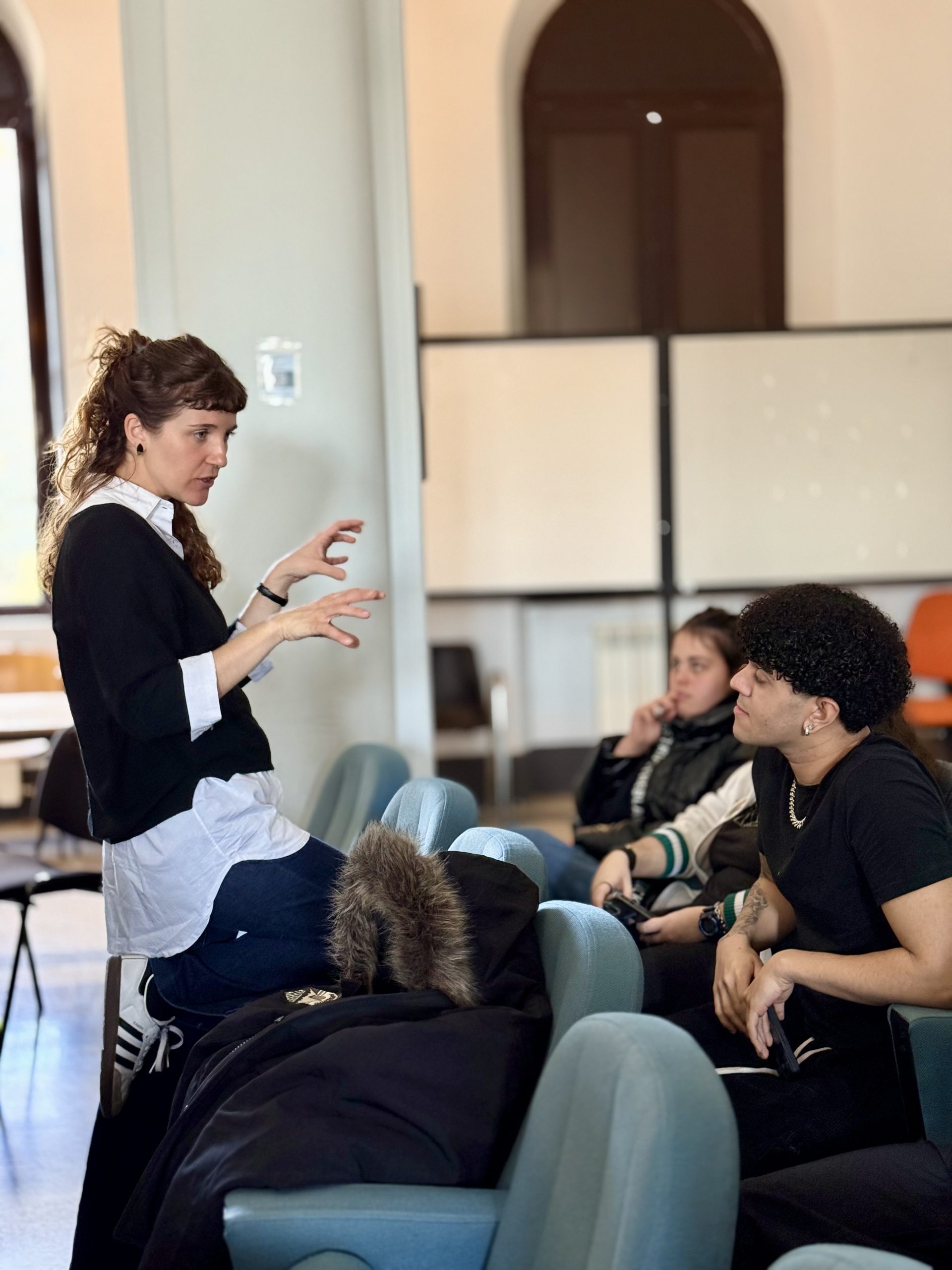
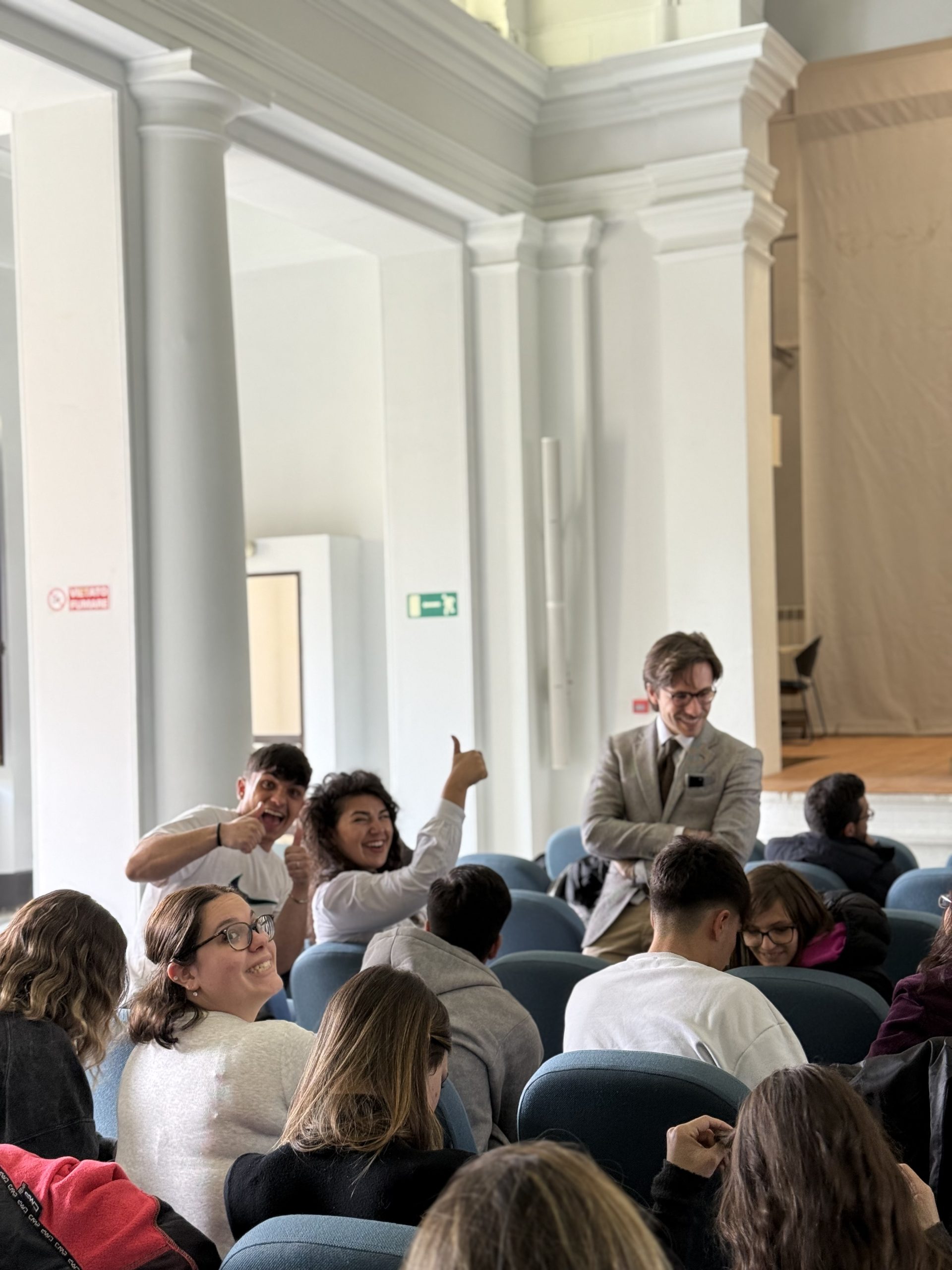
Following this presentation, a preliminary discussion and reflection involving researchers and students, divided into four groups, took place shortly after 11:00 am.
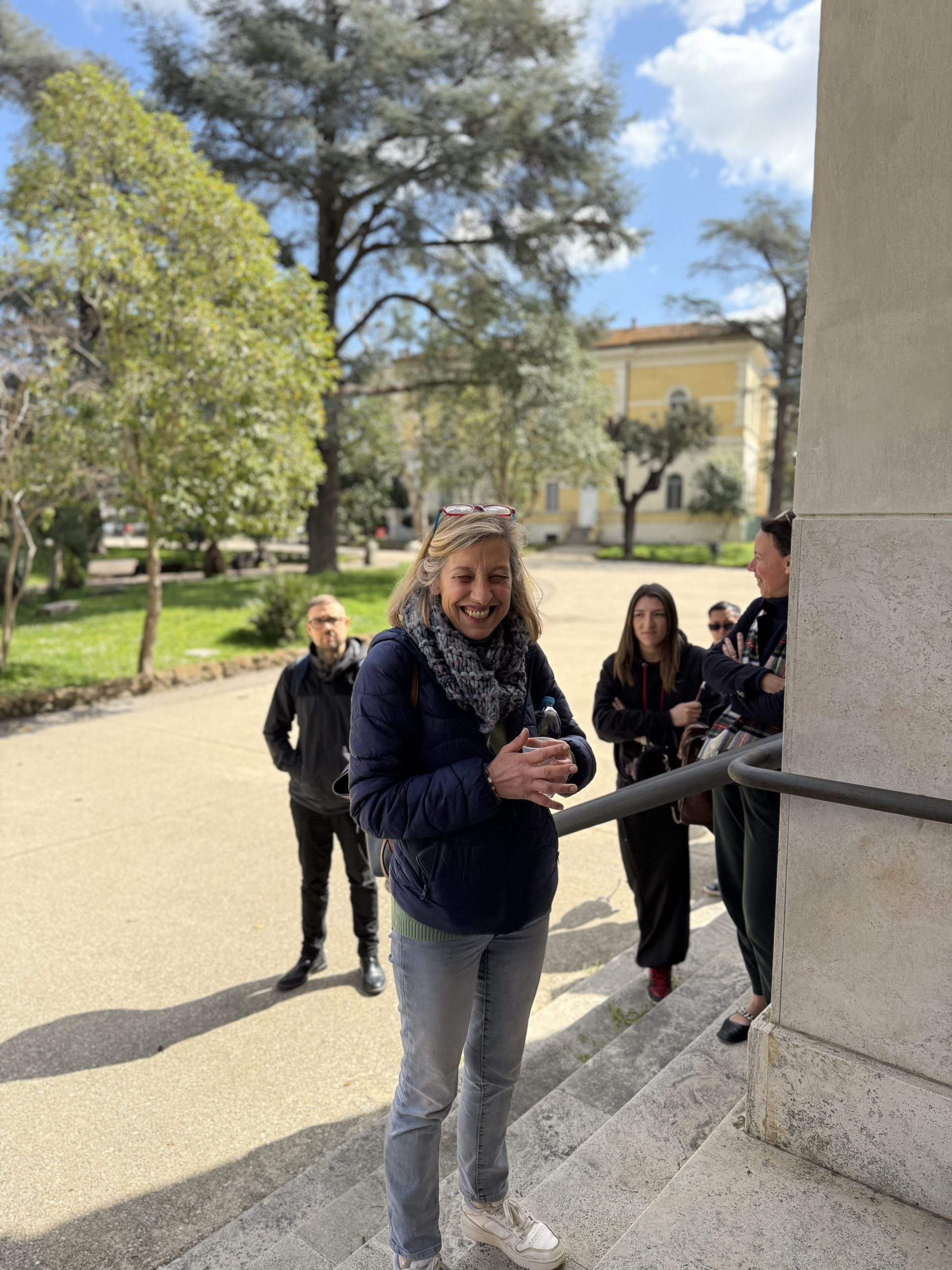
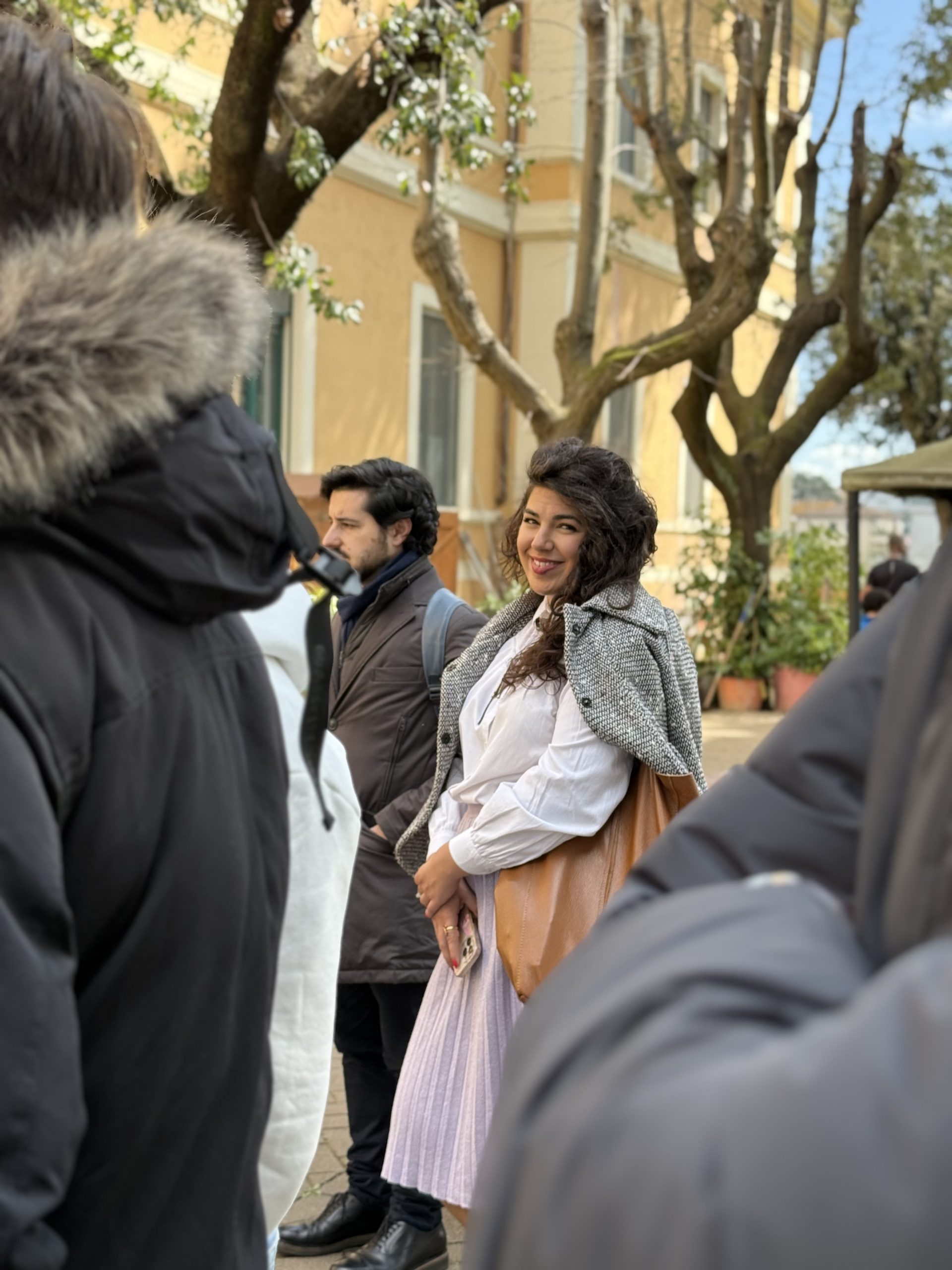
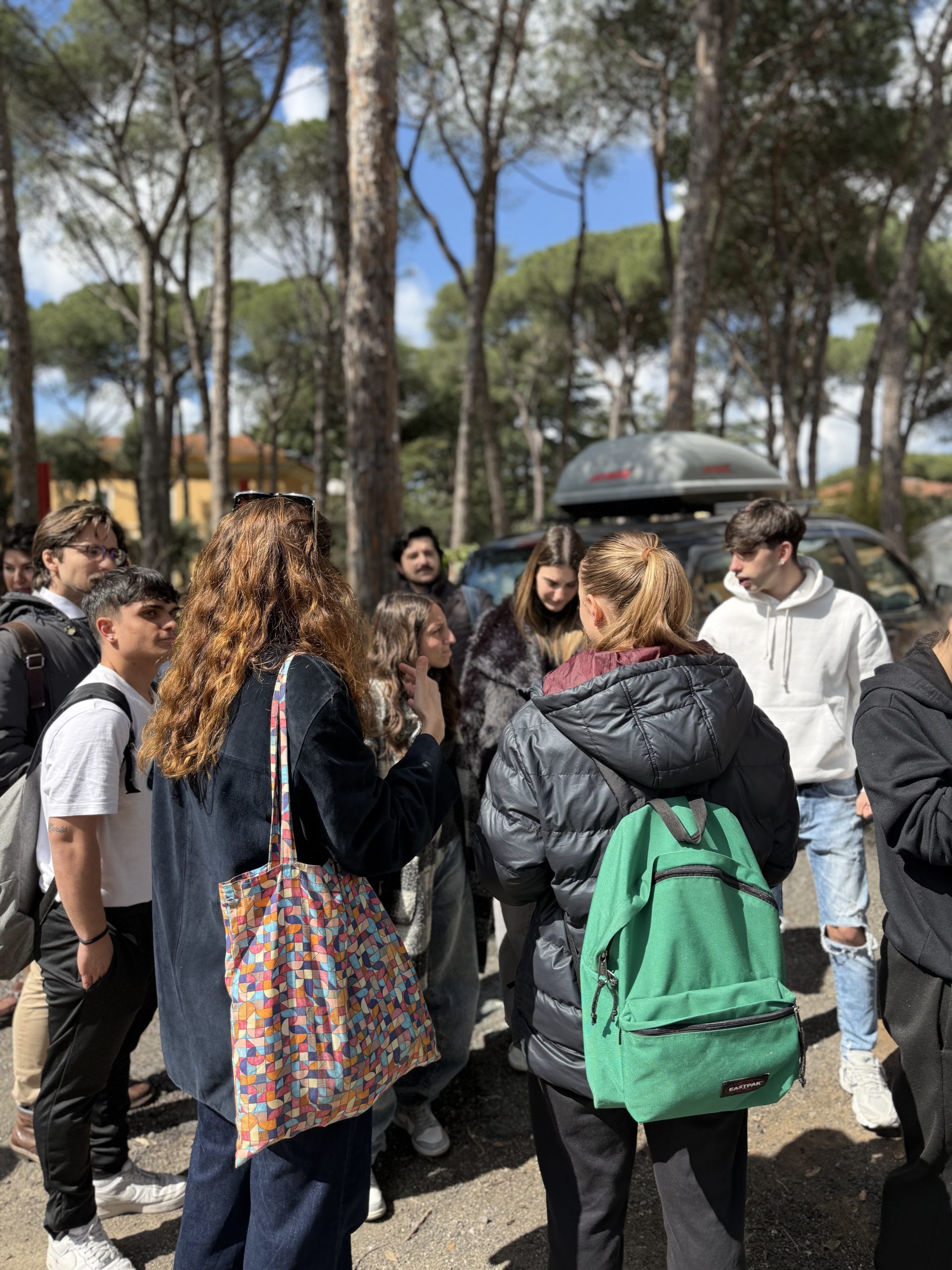
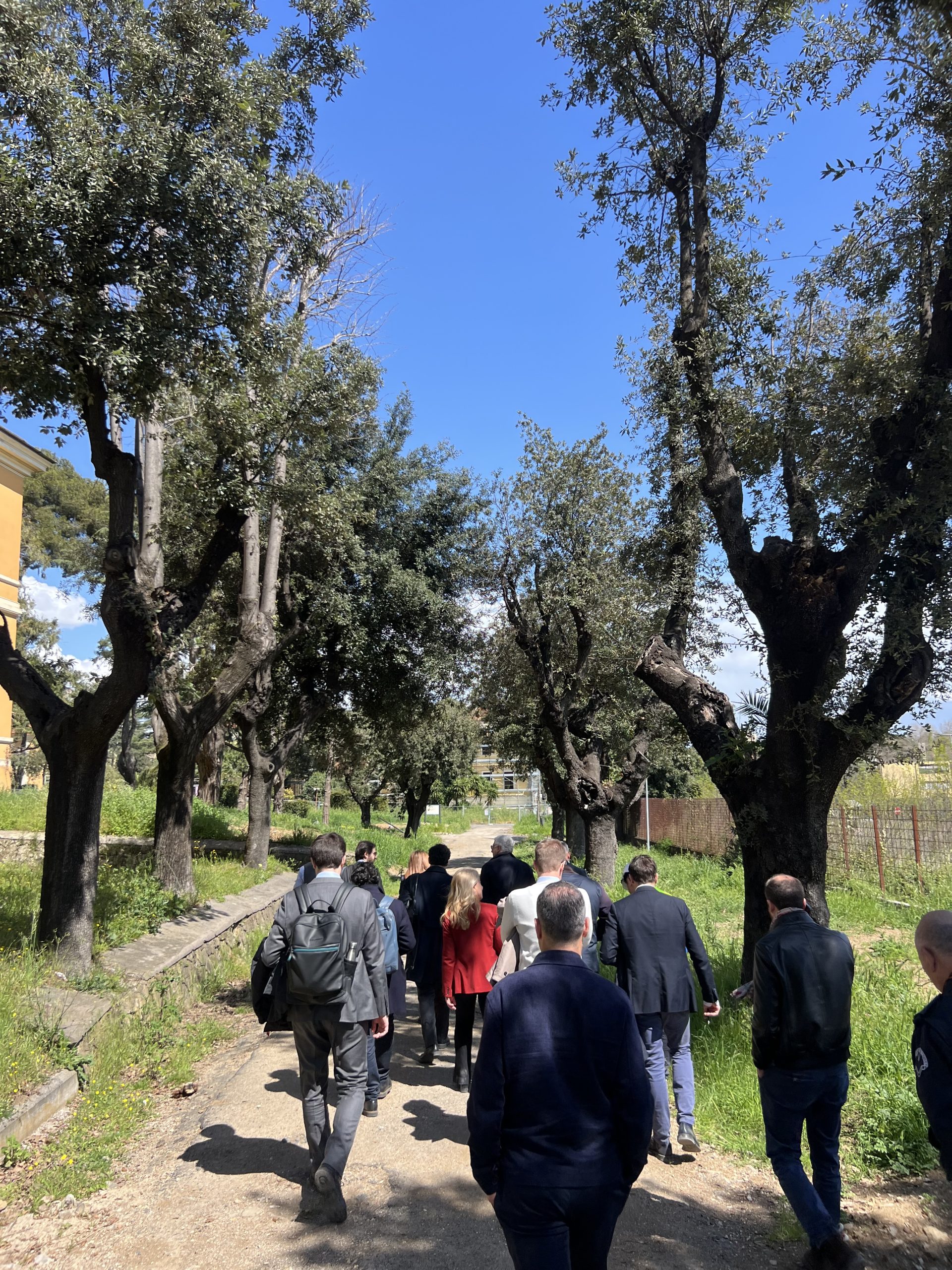
Around 11:30 am, a guided outdoor tour led by Dr. Alvisi showcased rehabilitative gardening and horticulture activities performed by users of the complex.
After the guided tour, researchers and students returned to Sala Basaglia for a concluding brainstorming session to formulate project proposals. Students were again divided into four groups, each appointing a spokesperson. The feedback phase yielded interesting proposals aimed at regenerating the SMdP complex through enhancing its historical and agricultural heritage: establishing partnerships with nearby schools for developing organic crops, creating seasonal urban gardens, setting up a center within a pavilion for processing products, organizing public courses on product processing for diverse age groups and individuals with disabilities, and promoting on-site agricultural practices through social media.
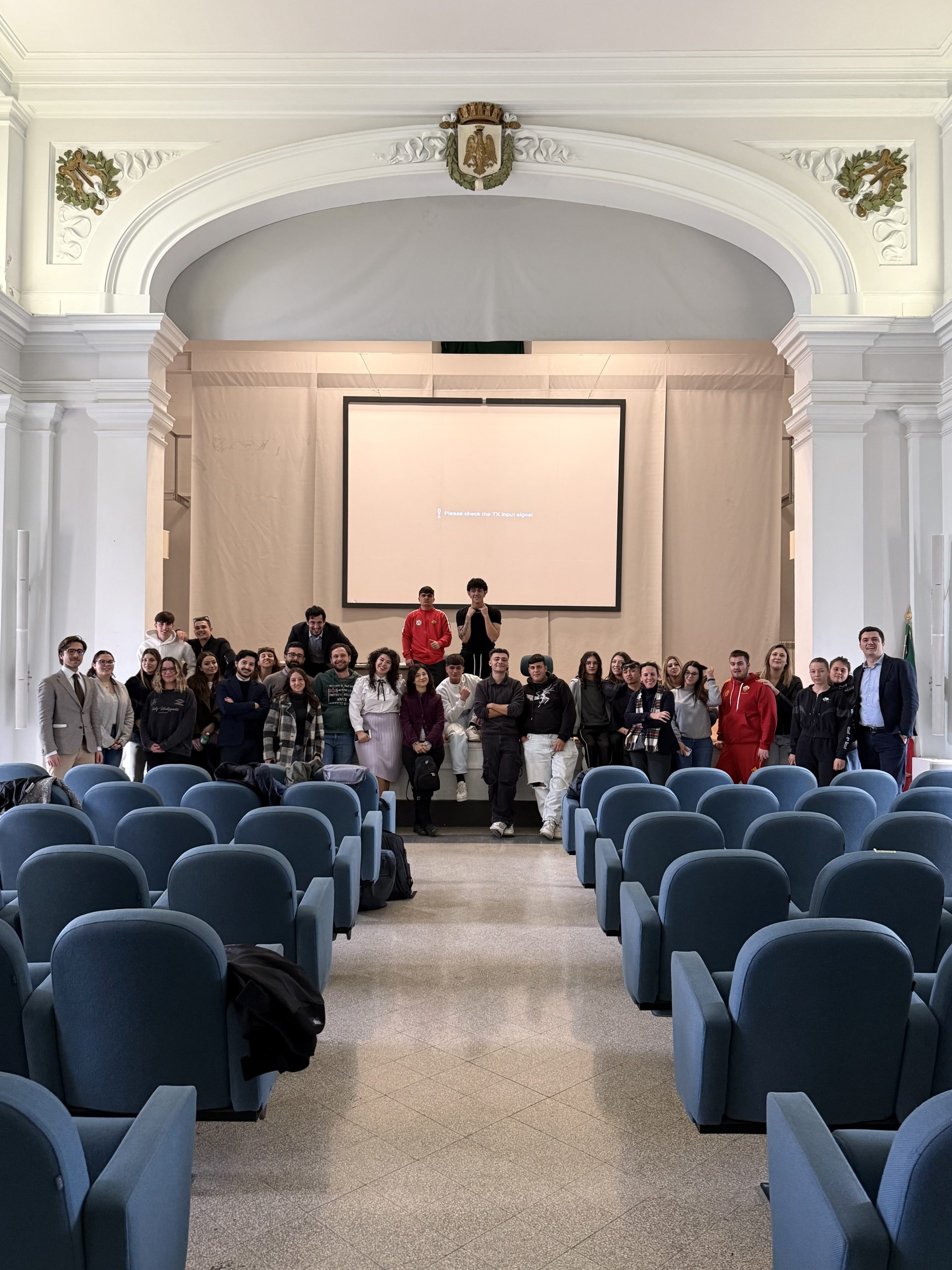
The event concluded on schedule (1:00 pm) with a group photo of researchers and students.
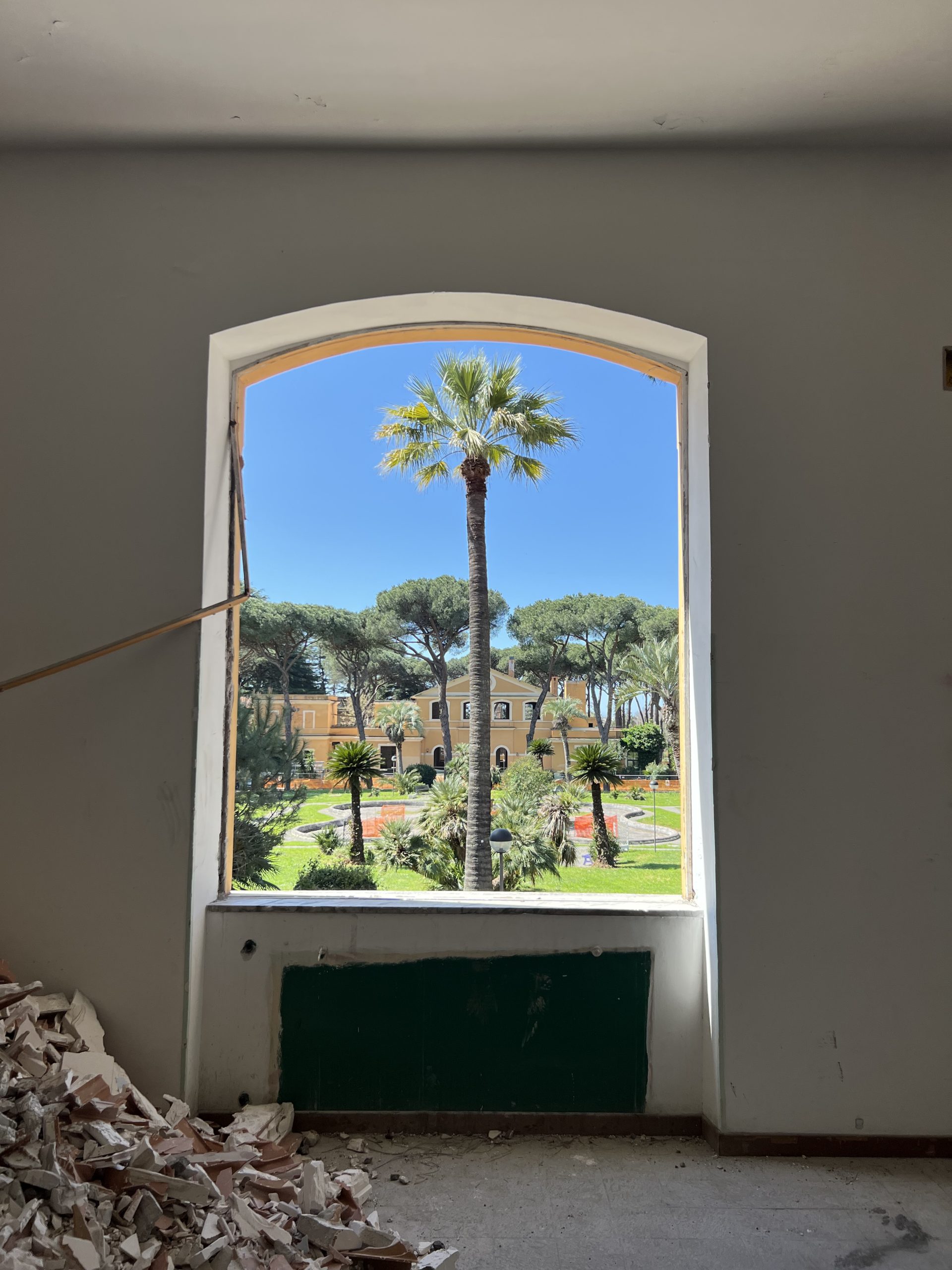
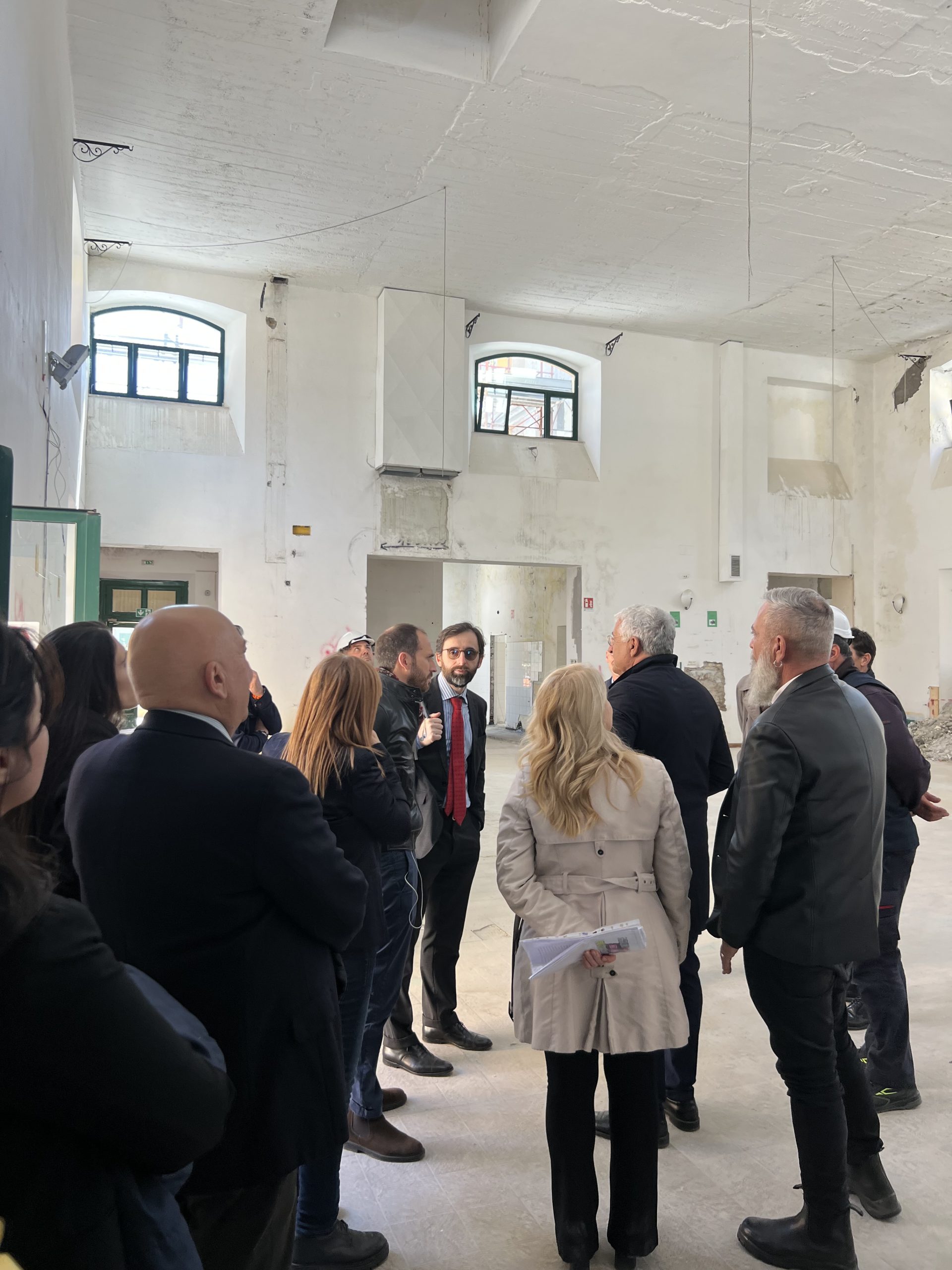
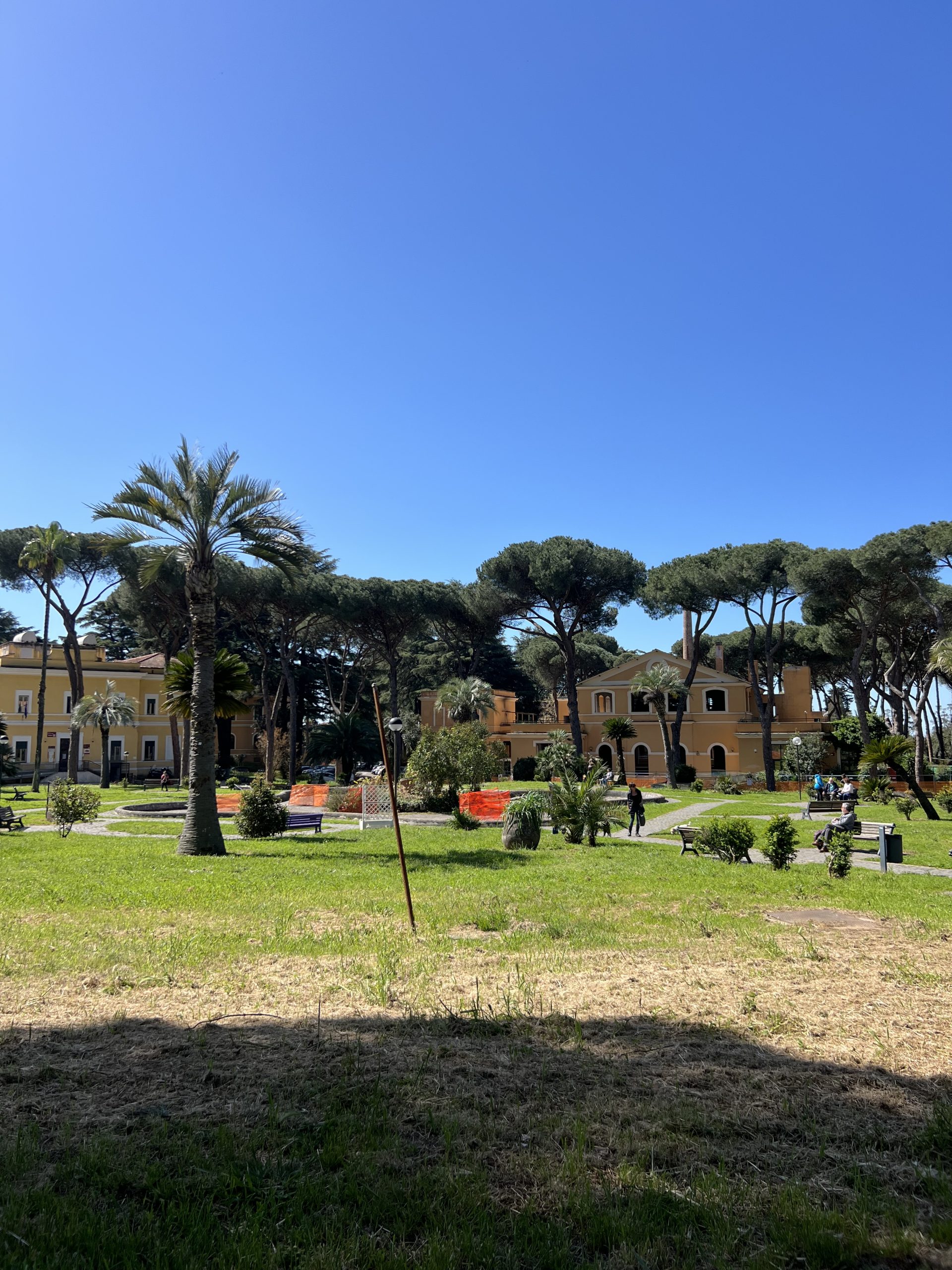
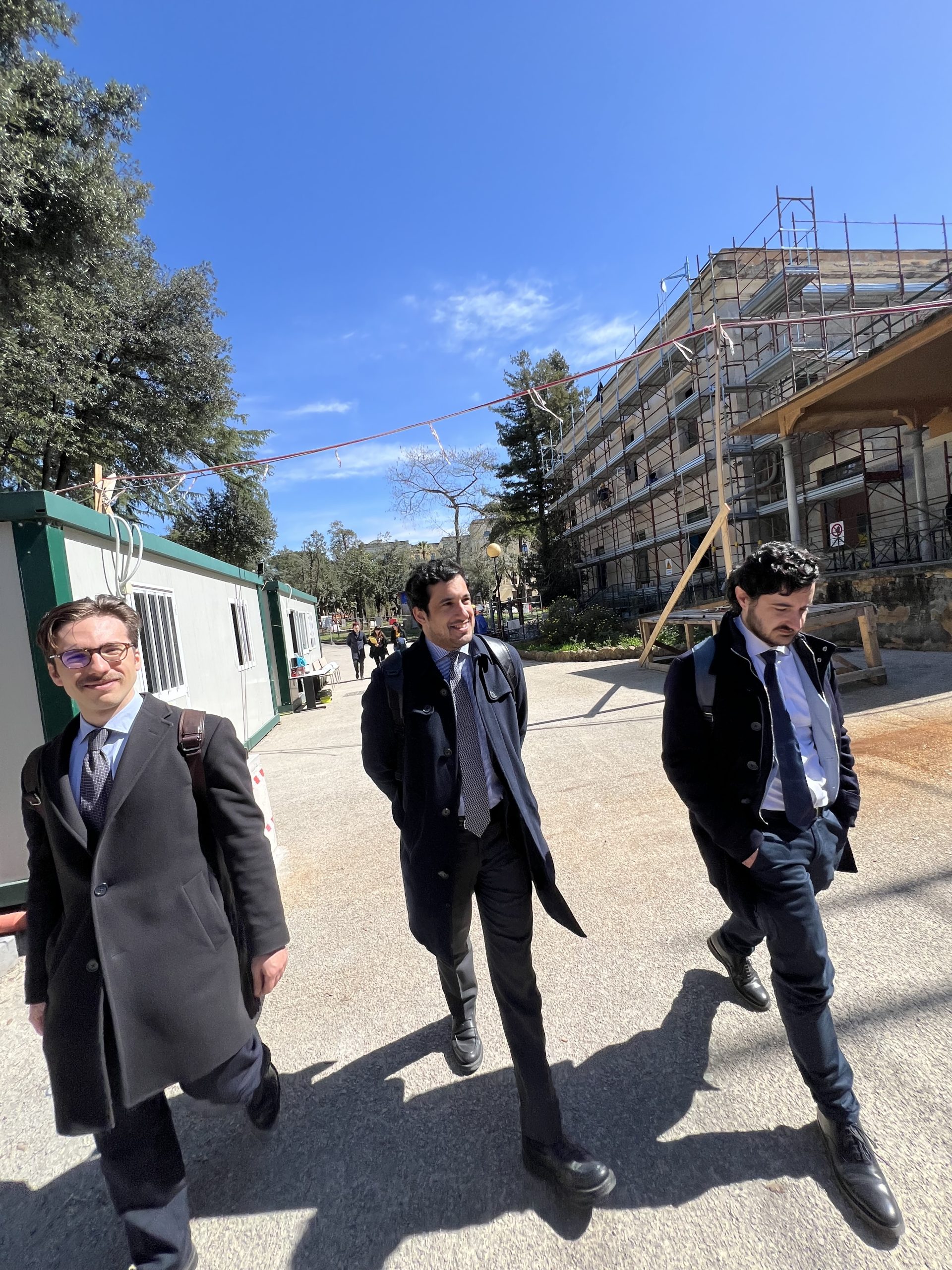
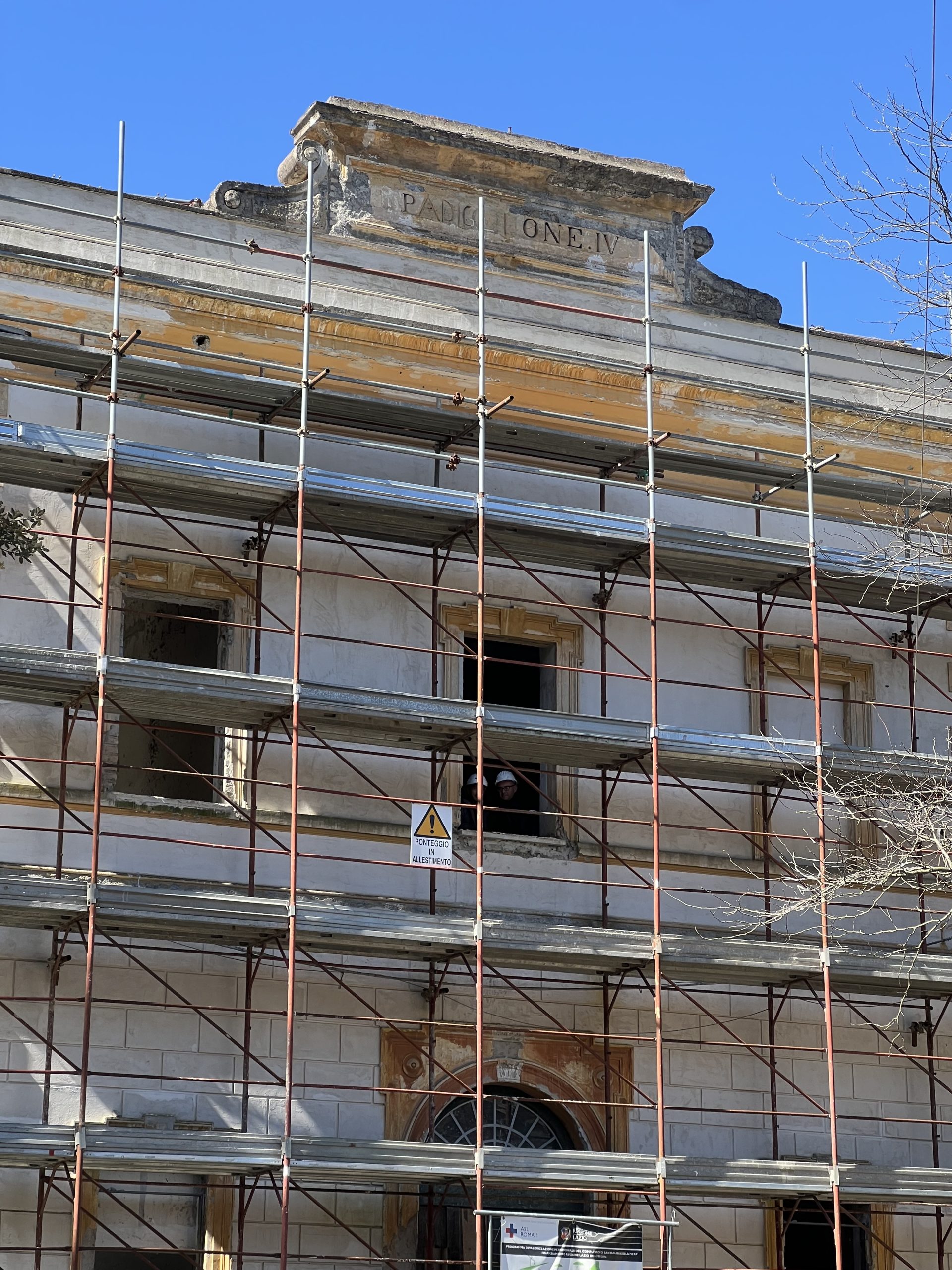
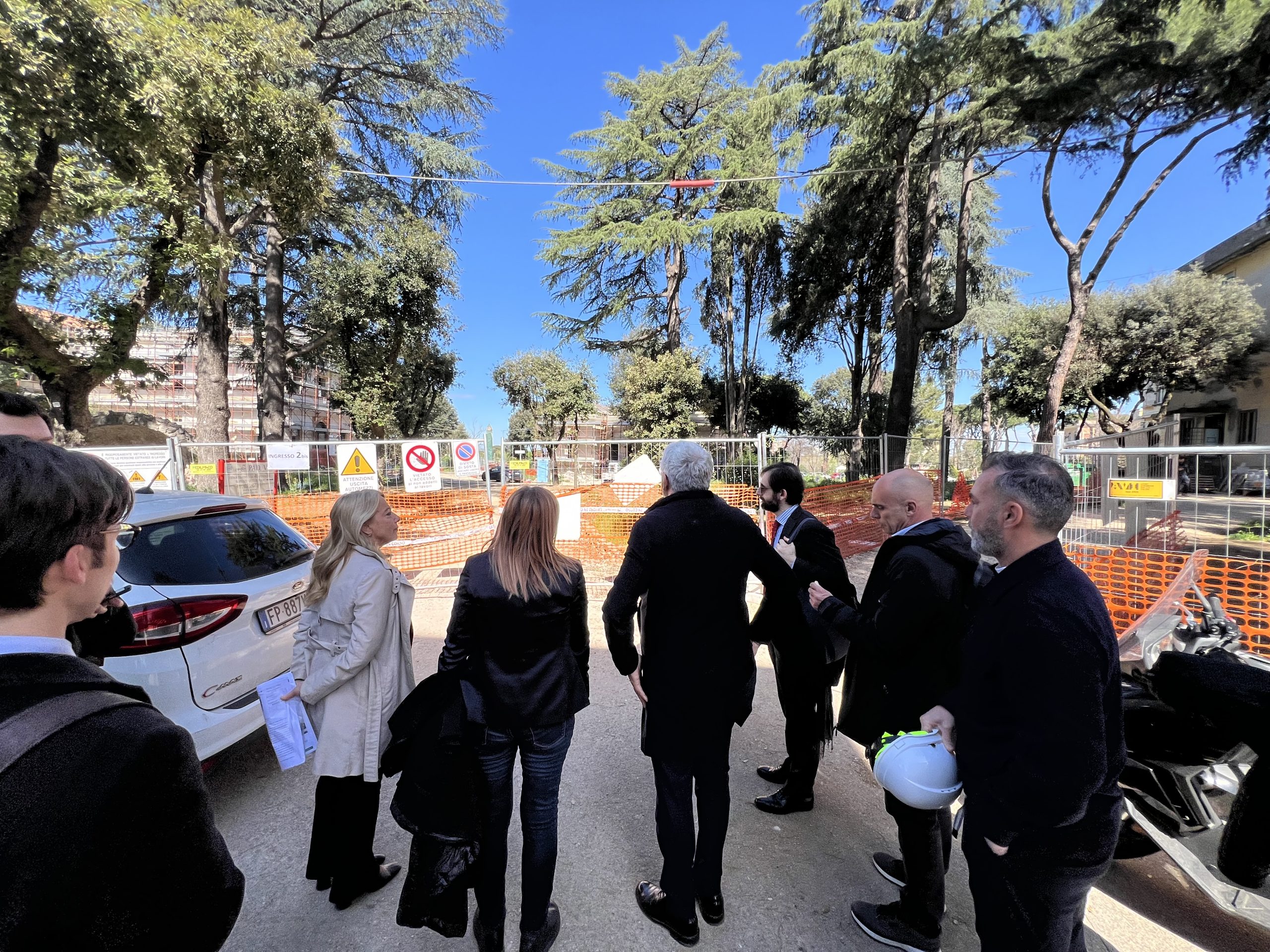
On April 2, 2025, Professor Christian Iaione and Drs. Adriano Contardi, Mario Manna, Marijana Krstic, Antonio Persico, and Flavio Petrocelli from the LUISS-LabGov Team visited the Santa Maria della Pietà to inspect the ongoing construction work at various pavilions within the complex. They were received by Dr. Paola Casali from ASL Roma 1, who provided a summary of the progress of the ongoing works. The inspection, conducted in the presence of ASL Roma 1 General Director Giuseppe Quintavalle and the President of the XIV Municipality, Marco della Porta, spanned the entire morning and covered the whole area of the park. The group had access to several pavilions currently under renovation. Particularly noteworthy was the discussion concerning future perspectives and challenges, including the management of shared services, park opening hours, improvement of internal mobility and external accessibility, potential new access routes and parking areas, the yet-to-be-determined use of certain pavilions, and the use of the central square as a social and community gathering space.
On the 12th of November the book “Designing in Dark Times: An Arendtian Lexicon” will be released online! Congratulations to the editors Virginia Tassinari and Eduardo Staszowski and to the many world-wide scholars and designers who contributed to the writing of the book. This unique book uses insights and quotations drawn from Arendt’s major writings (The Human Condition; The Origins of Totalitarianism, Men in Dark Times) to assemble a new kind of lexicon for politics, designing and acting today. It offers up an extraordinary range of short essays that use moments and quotations from Arendt’s thought as the starting points for reflection on how these terms can be conceived for contemporary design and political praxis. Neither simply dictionary nor glossary, the lexicon brings together designing and political philosophy to begin to create a new language for acting and designing againstdark times.
You can find a chapter written by prof. Christian Iaione, co-director of LabGov.City, and Elena De Nictolis, fellow researcher at LabGov.City. Some of the key points stressed out in the chapter include the gender imbalance and ethics aspects of innovation and sustainability and how it’s necessary not to just limit our view to homo economicus but to expand it towards a definition of homo collaborans. This is particularly coherent with the theory of the commons where the traditional economic approach is questioned. As a matter of fact, a new model of economic agent is proposed: the mulier activa which is rooted in the concept of individuals entailed by Hannah Arendt’s conception of vita active.
Guided tours in the Agro Romano towards the origins of Roman villae, Torre Spaccata’s ‘Pratone’ and San Giovanni’s Tower for the participants of the European Heritage Days initiative.
Within the framework of the European Heritage Days 2020 and the activities of the European project OpenHeritage, Co-Roma representatives together with the community of the co-district “Alessandrino-Centocelle-Torre Spaccata” (ACT) located in South-East Rome, accompanied the participants along an itinerary to discover the cultural heritage of the district, also thanks to the cooperation of CooperACTiva and the Community for the Public Park of Centocelle (CPPC).
Heritage Days 2020 route map
The first Heritage Walk route started from Parco Rugantino and then headed towards Casale di Torre Spaccata, an ancient abandoned farmhouse built in an area rich in Roman archaeological remains, scattered within Torre Spaccata Great Park (“Pratone di Torre Spaccata”) itself, unfortunately not (yet) visible to visitors. In fact, in spite of the numerous excavation and research projects undertaken in the South-East Rome quadrant – which mostly corresponds to the territory of the ACT district – none of these has made it possible to enhance and make available to the public the archaeological remains found, which show ancient settlements dating back to Roman times and in particular the existence of patrician villae that extend along a large part of the promenade route.
Meeting point of the participants near Rugantino Park Participants stopping at Pratone di Torre Spaccata
During the stop at Pratone di Torre Spaccata, together with the guide, the participants ventured inside the path traced by the inhabitants of the district and built inside the green area, which is imagined to become a future cycle-pedestrian area and now used as a public park at the crossroads of the district areas. However, the cycle-pedestrian area idea at the moment remains only potential.
Participants in the Pratone di Torre SpaccataThe route traced inside the Pratone
Along the route, the last stop led participants to discover the history of the Tower of San Giovanni and its medieval origins.
Stop at the Tower of San Giovanni
Built at the end of the 13th century (1200-1300), like other tower-houses in the Roman countryside, the Tower was placed in control of the nearby via Casilina. In ancient times it was known as “Tor San Giovanni” because the estate on which it still stands belonged to the Chapter of San Giovanni in Laterano, as a territory of the Papal States. Only at the end of the 17th century (1600-1700) the Tower took the name “Torre di Centocelle”, because of the ruins of the nearby Roman villa of the Emperor Valentiniano, which seems to have had an infinite number of small rooms (cellae).
The Tower is over 25 metres high and is surrounded by a grove of pine trees that are now centuries old. It represents a favourite destination and place for many artists and photographers over the last two centuries.
The itinerary of the second Heritage Walk (postponed on Saturday 10th October due to bad weather) led participants to discover the Archaeological Park of Centocelle and its history.
The map of findings in the Archeological Park of Centocelle (credits to P. Gioia)
Starting from the car park in Via Casilina and along a route about 2.3 km long, the events and testimonies of the Park have been narrated to participants: from the rural villas of Roman times that re-emerged during the archaeological excavations carried out between the end of the nineties and the first two thousand, to the “first flight” of Wright on the runway inside the Park.
A snapshot during the visit to the Villa della Piscina archeological site
The walk was an excellent opportunity to make known the traditions and events that characterize the area, even to citizens who do not live in the area, handing down its cultural values for the benefit of all participants.
Participants during the visit in the Archaeological Park of Centocelle
SansJus
stands for “Sensing for Justice”. The project was born after a landmark court
decision released in Texas, on June 27th 2019, in which a judge found the
petrochemical company Formosa Plastics Corporation, liable for violating the
Clean Water Act because of plastic discharge into local waters. The case was
brought by a civic group based in part on citizen sensed-evidence which
involved volunteer observations performed over years. This practice entailing
grassroots-driven environmental monitoring could be qualified as ‘Citizen
Science’ and, more specifically, ‘Citizen Sensing’. The contamination could not
be proved through existing data held by competent authorities since the company
never filed any record of pollution with the competent authority. Rather, the
monitoring and data collection was almost entirely conducted by local
residents.
The key
objective of the Sensing for Justice project is to fill the knowledge gap to
avoid a possible scientific and legislative vacuum and provide newly required
research capacity in the EU. The research will be hosted by the European
Commission Joint Research Centre, currently the leading actor in the research
on Citizen Science for environmental monitoring and reporting, which will allow
us to play a crucial role in the enactment of measures to release Citizen
Science for litigation and mediation’s potential across the EU.
Nowadays
it is essential to redefine Citizen Sensing as a manifestation of the broader
Citizen Science practice having a potential source of evidence acceptable in
environmental litigation, as an exercise of the right to contribute to
environmental information and even as a method to foster environmental
mediation.
Give a
look to SensJus website to discover the news and upcoming actions of the
project!