by Staff | Dec 11, 2025 | News
Conferenza Nazionale sullo Sviluppo Sostenibile
2 – 3 – 4 Dicembre 2025
Palazzo Valentini, RM
9:30 – 17:30
Nelle giornate del 2, 3 e 4 dicembre 2025, presso Palazzo Valentini, sede della Città Metropolitana di Roma Capitale, si è svolta la Conferenza Nazionale sullo Sviluppo Sostenibile, evento chiave per la revisione e l’implementazione della Strategia Nazionale per lo Sviluppo Sostenibile (SNSvS). L’iniziativa, allineata all’Agenda 2030 delle Nazioni Unite, ha creato un ponte tra governo, istituzioni e società civile, con l’obiettivo di promuovere sostenibilità e responsabilità intergenerazionale.
Ogni giornata è stata dedicata a uno dei tre vettori dello sviluppo sostenibile—la cultura per la sostenibilità, la partecipazione per lo sviluppo sostenibile e la coerenza delle politiche per lo sviluppo sostenibile—ed è stata articolata in due momenti: una prima parte di carattere frontale e una seconda dedicata ai lavori laboratoriali.
La prima giornata ha affrontato il vettore della cultura per la sostenibilità di territori e imprese, concentrandosi su educazione, formazione e cultura d’impresa. Nel corso della mattinata, diverse personalità hanno presentato il gruppo di lavoro dedicato a cultura e territori e quello impegnato sul tema della prosperità, approfondendo questioni quali educazione, cittadinanza globale e finanza sostenibile. A seguire si è svolto il primo laboratorio della giornata, in sessione plenaria, dedicato alla cultura come infrastruttura della sostenibilità, cui è poi seguito un laboratorio in sessione separata sull’impresa sostenibile e sul dialogo tra finanza e territori.
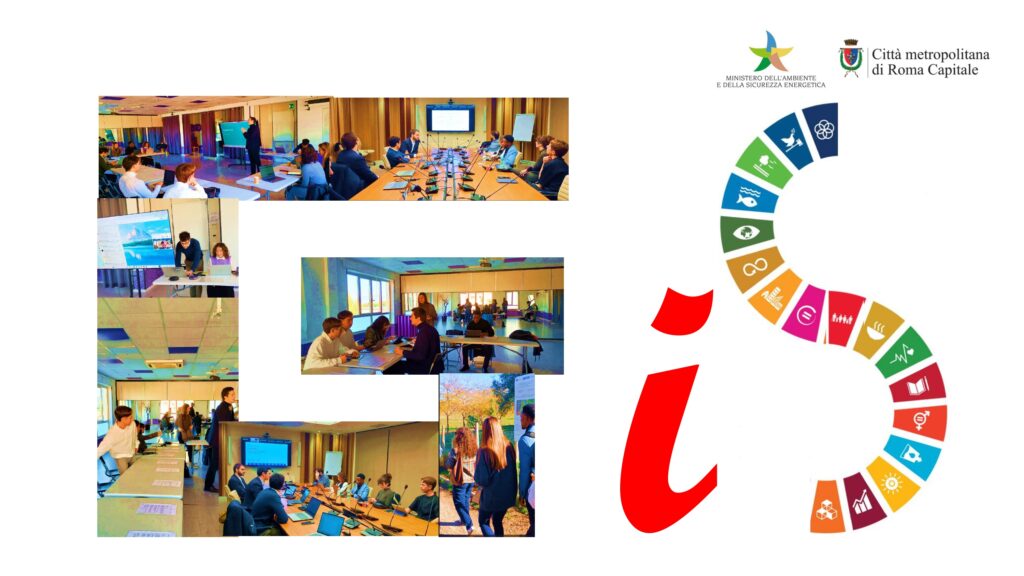
La seconda giornata è stata dedicata al vettore della partecipazione per lo sviluppo sostenibile, con particolare attenzione al coinvolgimento delle giovani generazioni. Durante la mattinata vari relatori hanno presentato il gruppo di lavoro dedicato ai giovani e illustrato il percorso di revisione volontaria presso le Nazioni Unite (Voluntary National Review e Youth Voluntary Review). Successivamente si è discusso del ruolo della partecipazione giovanile alla sostenibilità dentro e fuori le istituzioni, presentando casi concreti, tra cui il progetto GIS, realizzato in collaborazione tra Città Metropolitana di Roma Capitale, Capitale Lavoro e LabGov ETS. La giornata si è conclusa con un laboratorio di co-progettazione volto a sperimentare la valutazione intergenerazionale per lo sviluppo sostenibile, durante il quale sono stati applicati gli strumenti dello Youth Test e dello Youth Progress Index.
La terza e ultima giornata ha affrontato il vettore della coerenza delle politiche per lo sviluppo sostenibile. Nel corso della mattinata diversi relatori hanno illustrato il Programma d’Azione Nazionale per la Coerenza delle Politiche sullo Sviluppo Sostenibile, i gruppi di lavoro dedicati ai temi della pace e del pianeta e il tema della governance multilivello, alternando contributi teorici – offerti da istituzioni quali OCSE e UN-Habitat – alla presentazione di pratiche provenienti dai territori. In chiusura si è svolto un laboratorio incentrato sulle disuguaglianze come questione culturale, volto ad approfondire l’SDG 10 e i relativi processi trasformativi. Sono intervenute anche voci istituzionali quali Save the Children e l’Osservatorio Sicurezza e Povertà Alimentare
________________________________________________________________________________
On 2, 3, and 4 December 2025, the National Conference on Sustainable Development was held at Palazzo Valentini, headquarters of the Metropolitan City of Rome Capital. The event, aligned with the UN 2030 Agenda, sought to build a bridge among government, institutions, and civil society to promote sustainability and intergenerational responsibility, with particular attention to inequalities and prosperity.
Each day was dedicated to one of the three vectors of sustainability—culture for sustainability, participation in sustainable development, and coherence of sustainable development policies—and was structured into two parts: a theoretical session in the morning and a practical session in the afternoon.
The first day focused on the vector of culture for the sustainability of enterprises and territories, with an emphasis on education and enterprise culture. In the morning, several experts spoke, presenting the Working Group on Culture and Territories and the Working Group on Prosperity, addressing topics related to global citizenship education and sustainable finance. This was followed by the day’s first plenary workshop, centered on culture as an infrastructure for sustainability, and subsequently by a parallel-session workshop on sustainable finance and dialogue between finance and local territories.
The second day addressed the vector of participation in sustainable development, with a specific focus on the involvement of younger generations. The morning session featured various speakers who presented the Working Group on Youth and outlined the roadmap toward the Voluntary Review at the United Nations, comprising both the Voluntary National Review and the Youth Voluntary Review. This was followed by a presentation on youth participation in sustainability efforts within and beyond public institutions, illustrated through concrete case studies, such as the GIS Project developed in collaboration with the Metropolitan City of Rome, Capitale Lavoro, LabGov ETS. The day concluded with a co-design workshop aimed at testing intergenerational assessment tools for sustainable development, in which the Youth Test and the Youth Progress Index were applied.
The third and final day focused on the vector of policy coherence for sustainable development. During the morning, various speakers presented the National Action Program for Policy Coherence on Sustainable Development, along with the working groups on peace, the planet, and multilevel governance. A workshop followed on inequalities as a cultural issue, aimed at fostering reflection on SDG 10 and transformative processes. Contributions were also offered by institutional representatives, including Save the Children and the Observatory on Food Security and Poverty


by Staff | Nov 16, 2025 | News
Progetto GIS – Modulo 2
Fusolab, Viale della Bella Villa, 94, Roma
13 novembre 2025
10:00 – 13:00
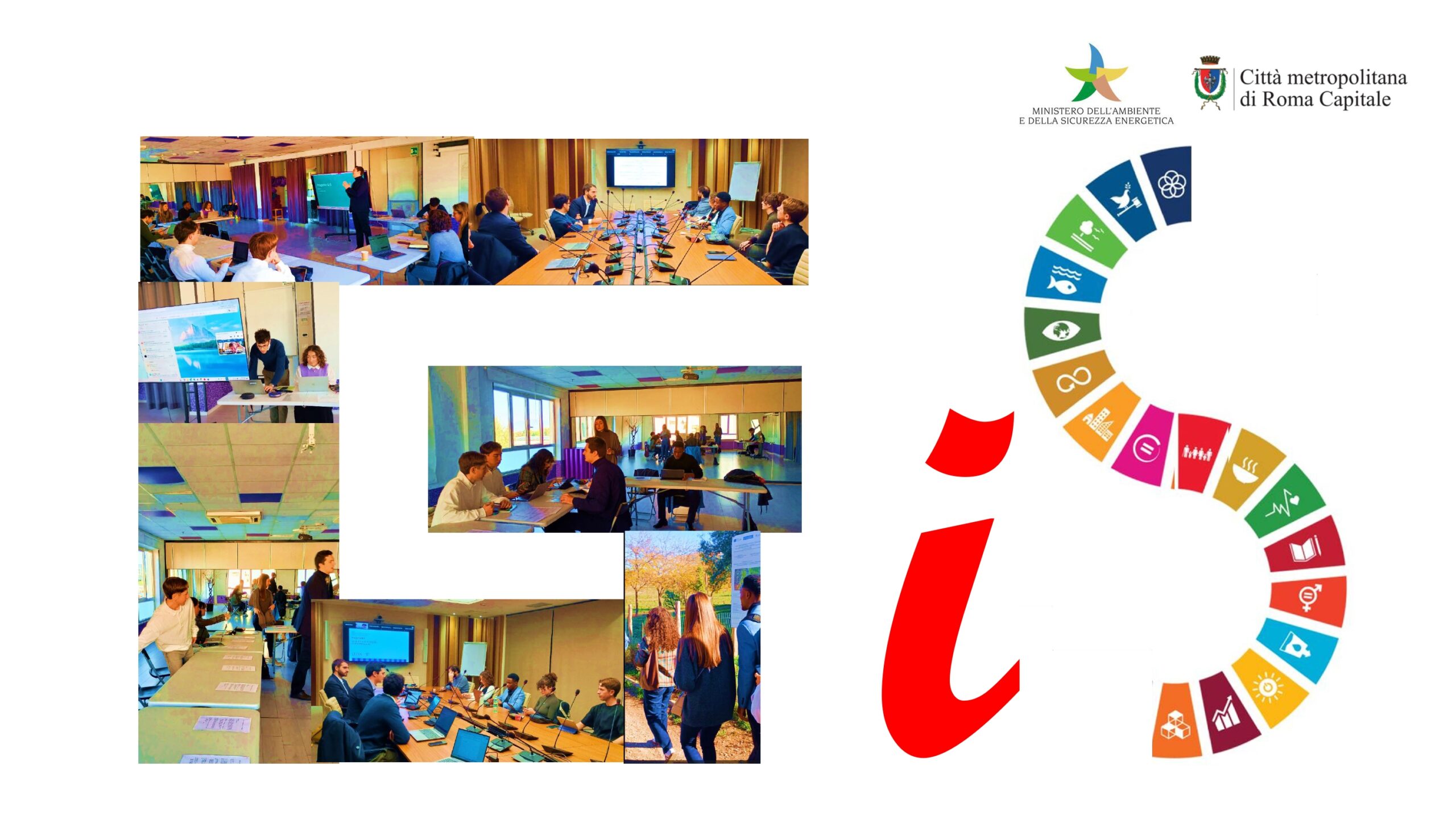
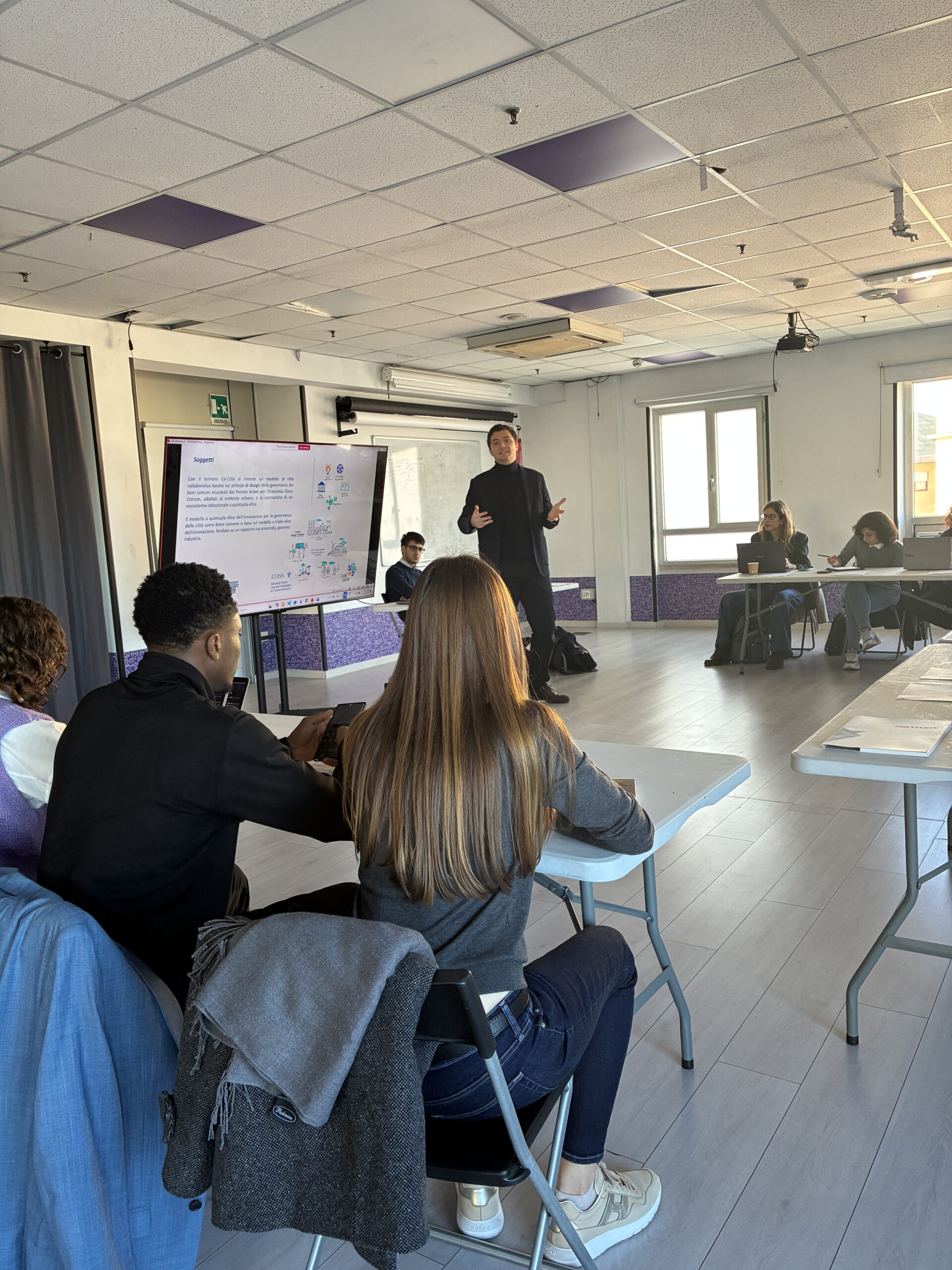
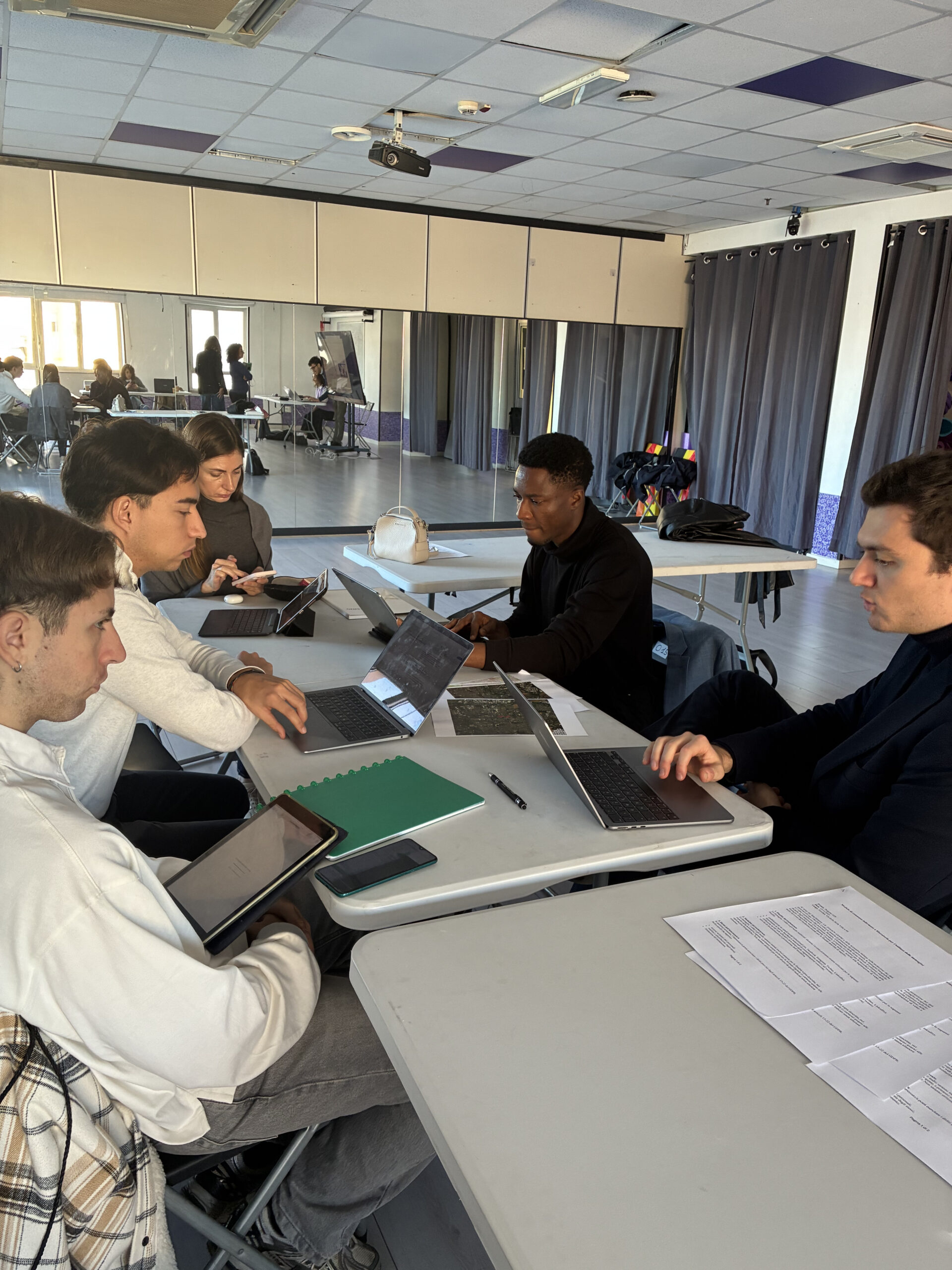
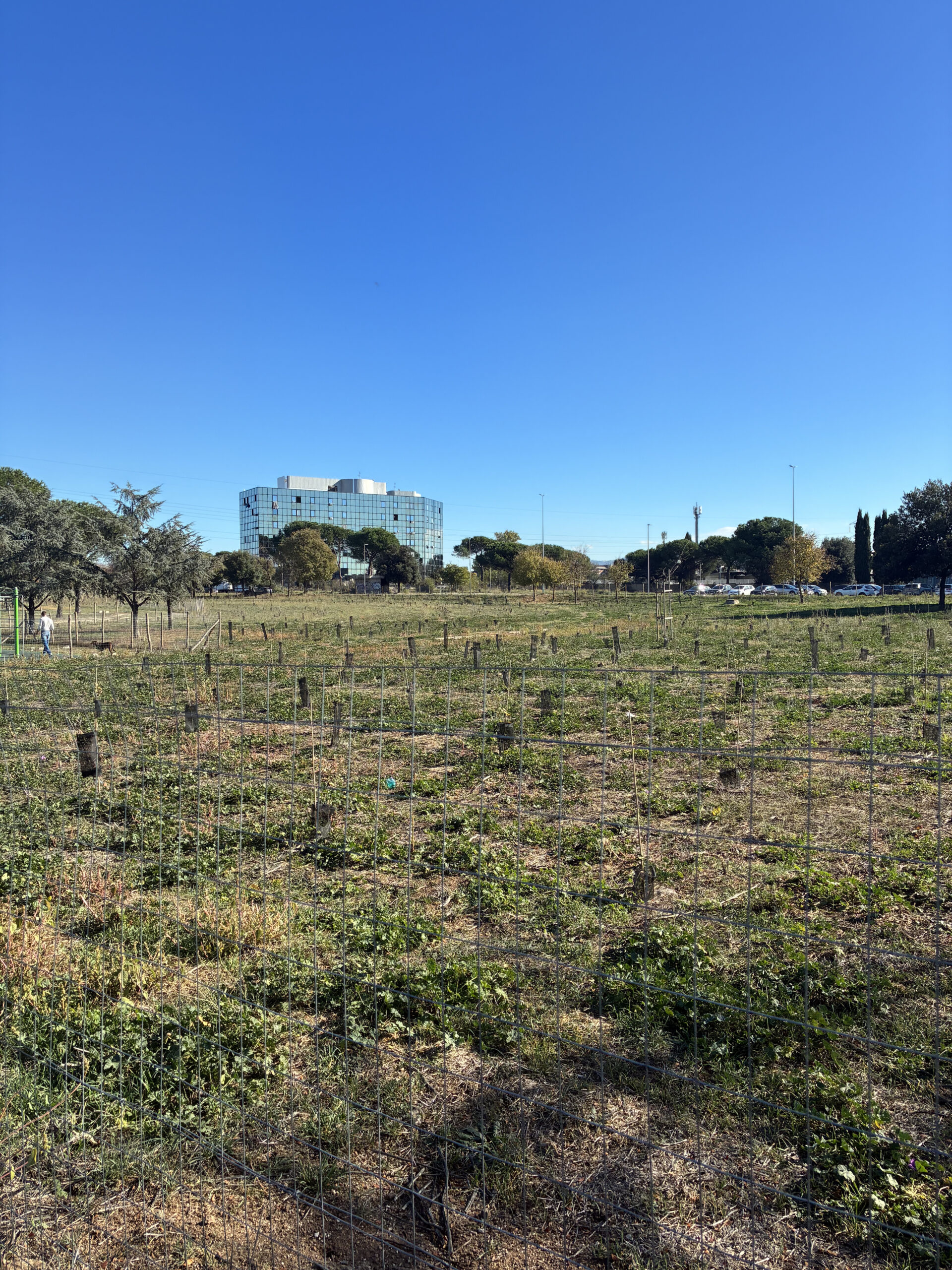
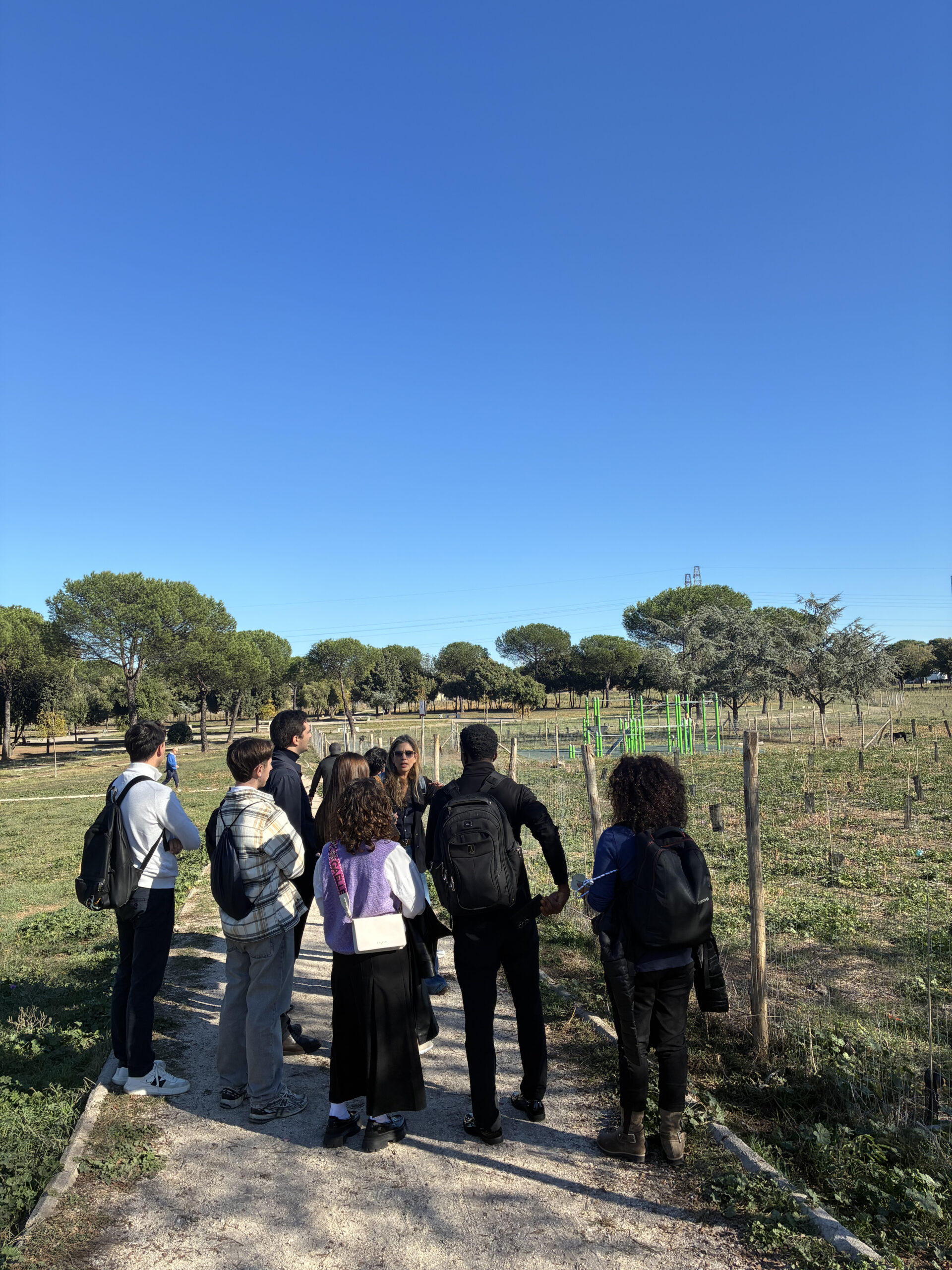
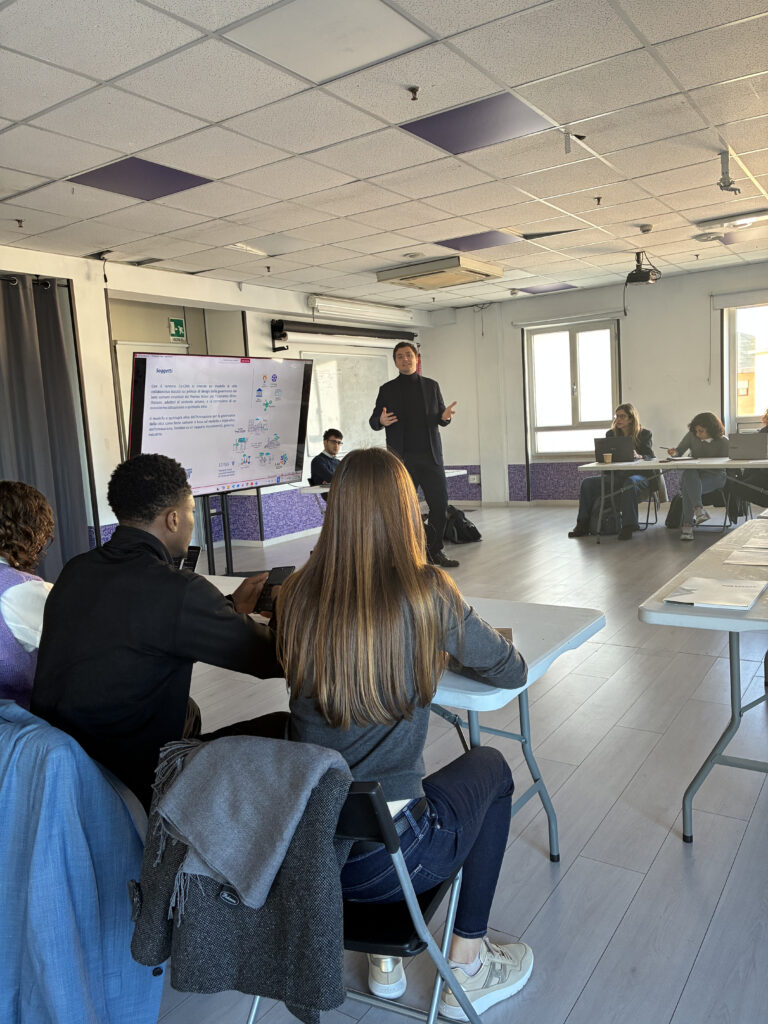
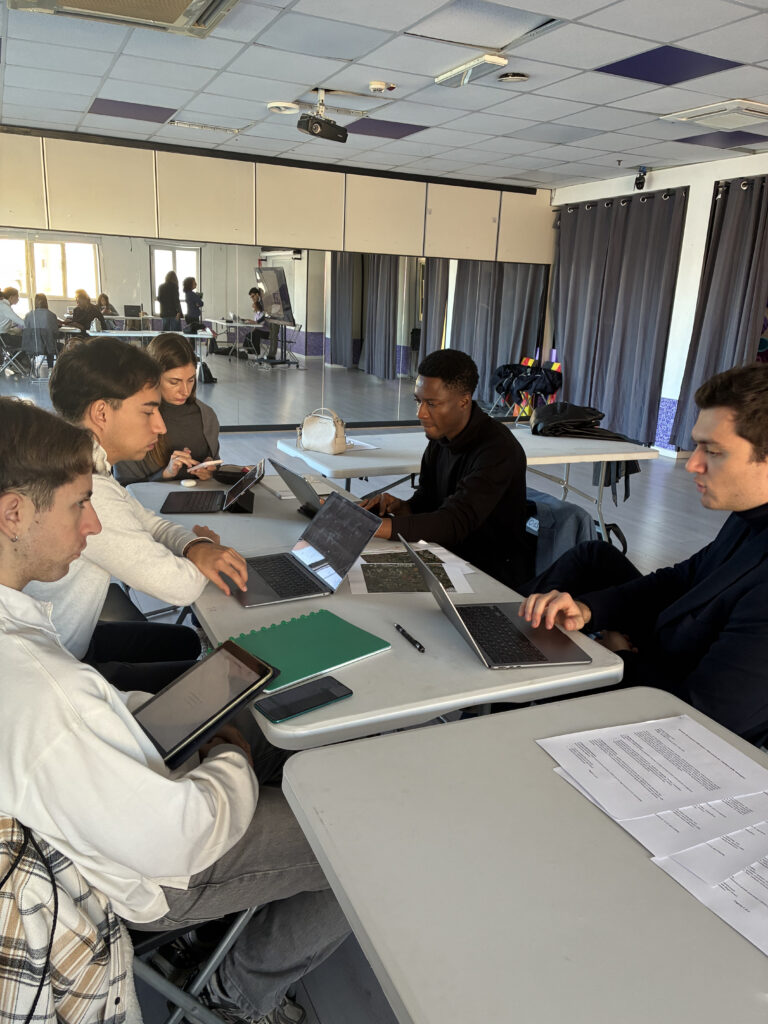
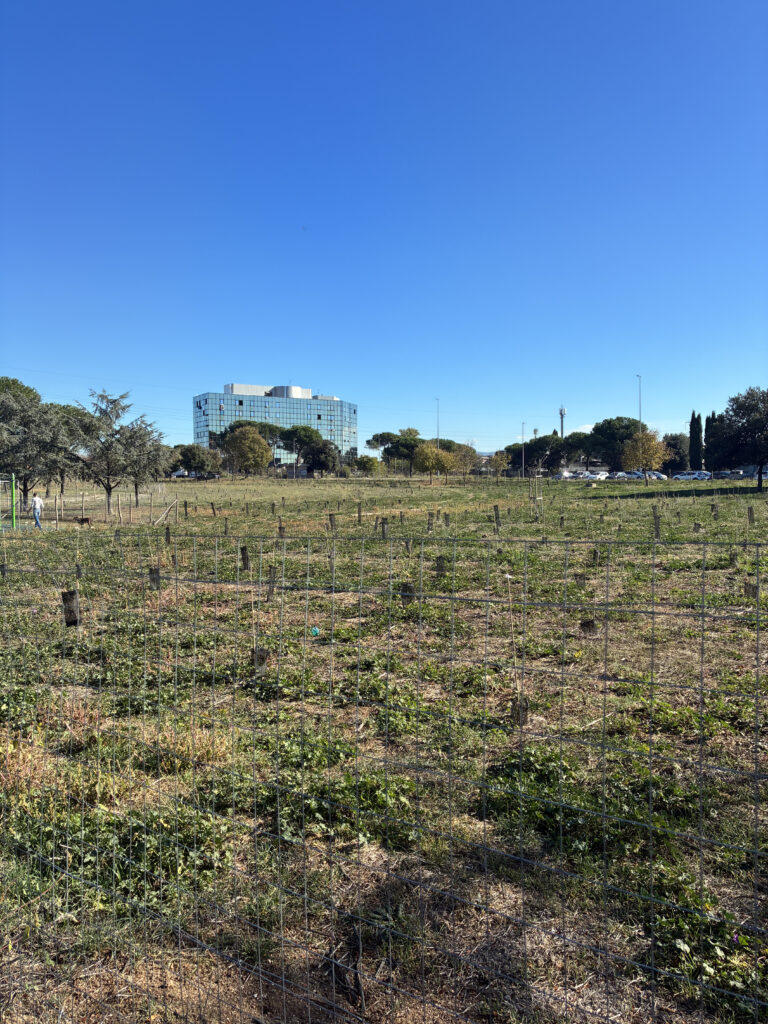
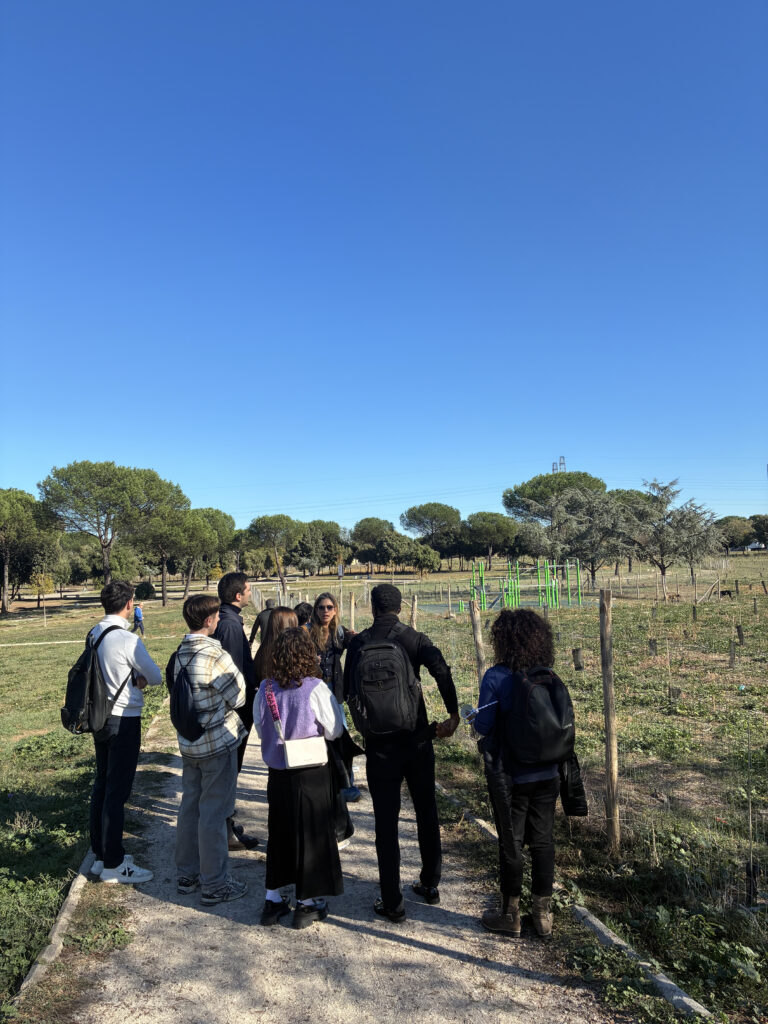
La giornata si è aperta con il benvenuto di Adriano Contardi, che ha presentato il progetto GIS, illustrando obiettivi e il programma di lavoro: introduzione teorica, attività laboratoriale in gruppi, restituzione finale, visita al cantiere di forestazione urbana del Municipio V e pranzo conclusivo. Nella fase teorica, Adriano Contardi ha spiegato il modello della Co-Città, ripercorrendo la quintupla elica e i cinque principi guida – Enabling State, Pooling Economy, Experimentalism, Tech Justice e Collective Governance – e ha introdotto il tema dei beni comuni e dei nuovi partenariati. È stato in particolare approfondito il partenariato sociale previsto dall’art. 201 del Codice dei Contratti Pubblici e sono stati illustrati gli step per la conclusione di un contratto di partenariato. Successivamente gli studenti sono stati divisi in due gruppi, uno in presenza e uno online, per sviluppare proposte progettuali integrate con la forestazione urbana. Il primo gruppo, dedicato al caso del Municipio V, si è concentrato sui problemi connessi alla presenza dell’isola di calore e sulla carenza di aree verdi, proponendo attività destinate a scuole, società sportive, istituti agrari e centri anziani. Il secondo gruppo, impegnato sul caso di Capranica Prenestina, ha analizzato la distanza dal centro urbano, la morfologia montana e la scarsità di risorse, proponendo la creazione di un laboratorio di sperimentazione e l’organizzazione di un festival dedicato alle soluzioni Nature-Based. Si è poi svolta la visita al cantiere di forestazione urbana presso il Parco Bonafede, già gestito come bene comune. Laura Zavattero ha illustrato criteri di scelta delle specie e le due fasi dell’intervento, dalla messa a dimora alla verifica delle fallanze. La giornata si è conclusa con il rientro a Fusolab per il pranzo.
___________________________________________________________
The day began with a welcome from Adriano Contardi, who presented the GIS project, outlining its objectives and the work plan: a theoretical introduction, group-based laboratory activities, a final debrief, a visit to the urban forestry site in Municipio V, lunch. During the theoretical session, Adriano Contardi explained the Co-City model, starting from the quintuple helix model and the five guiding principles – Enabling State, Pooling Economy, Experimentalism, Tech Justice, and Collective Governance – and introduced the topic of the commons and multistakeholder partnerships. Particular attention was given to the social partnership provided for by Article 201 of the Public Contracts Code, and the steps required to finalize this partnership.
The students were then divided into two groups, one in person and one online, to develop project proposals integrated with urban forestry. The first group, focused on the Municipio V case, addressed issues such as heat islands and the lack of natural areas, proposing activities for schools, sports associations, agricultural institutes. The second group, working on the Capranica Prenestina case, analyzed the area’s distance from the urban center, its mountainous morphology, and the limited resources available, proposing the creation of a testing laboratory and the organization of a festival dedicated to nature-based solutions.
A visit followed to the urban forestry site at Parco Bonafede, already managed as a common. Laura Zavattero illustrated the criteria for selecting plant species and the two phases of the intervention, from planting to the verification of plant loss. The day ended with the group returning to Fusolab for lunch.
by Staff | Sep 18, 2025 | News
LabGov ETS conduce attività di ricerca su politiche pubbliche e modelli di investimento di lungo termine e a impatto per infrastrutture tecnologiche, economiche, sociali, anche in cooperazione con Istituzioni Finanziarie Multilaterali (IFM), Istituzioni Finanziarie per lo Sviluppo (IFS) e Banche Multilaterali di Sviluppo (BMS).
Posizione
Siamo alla ricerca di un part-time Junior Project Manager per il supporto alle seguenti attività:
- gestione della contabilità generale e analitica, comprensiva della predisposizione di report finanziari periodici, bilanci interni e documentazione a supporto delle attività istituzionali e progettuali, in conformità agli standard contabili applicabili agli enti del Terzo Settore;
- elaborazione e redazione della documentazione per la rendicontazione amministrativo-finanziaria di progetti finanziati da enti pubblici e privati, sia a livello nazionale (es. bandi PNRR, MIUR) sia internazionale (es. Horizon Europe, Erasmus+);
- supporto operativo e documentale nella gestione di bandi e procedure di finanziamento, dalla fase di candidatura alla gestione post-finanziamento, inclusa la raccolta e l’archiviazione dei documenti richiesti dagli enti erogatori;
- adempimento degli obblighi burocratico-amministrativi relativi alla gestione ordinaria dell’ente (es. comunicazioni con Registro Unico del Terzo Settore, Agenzia delle Entrate, INPS), garantendo il rispetto delle normative vigenti;
- supporto amministrativo e progettuale allo svolgimento, gestione e coordinamento dei progetti di ricerca, con inter alia attività di produzione, raccolta e monitoraggio documentale, aggiornamento dei cronoprogrammi, verifica dell’allocazione delle risorse, supporto amministrativo e logistico alle attività dei gruppi di progetto, interfaccia con i partner di progetto;
- supporto nella gestione della partecipazioni societarie, attraverso il monitoraggio delle attività condivise, la eventuale predisposizione di documentazione amministrativa e finanziaria, l’assolvimento degli adempimenti contrattuali derivanti dalla partecipazione, l’eventuale esercizio della delega conferita dal legale rappresentante a partecipare agli organi sociali, l’interazione con i rappresentanti e soci delle società per garantire l’allineamento tra le attività della società con gli obiettivi statutari dell’ente;
- redazione e gestione dei contratti di collaborazione, inclusa la predisposizione dei mandati, delle lettere d’incarico e degli atti connessi alla remunerazione dei collaboratori esterni;
- comunicazione e interfaccia con consulenti esterni (fiscali, contabili, legali, scientifici) e con gli uffici amministrativi delle università o di altri enti coinvolti, per finalità connesse a rendicontazioni, verifiche contabili, o altri adempimenti specifici;
- gestione operativa degli strumenti digitali utilizzati per finalità amministrative, tra cui Aruba (firma digitale e PEC), Fatture in Cloud (fatturazione elettronica), Dropbox e Google Drive (archiviazione documentale condivisa);
- gestione completa dei rimborsi spese attivi e passivi, inclusa la raccolta della documentazione giustificativa, il controllo della conformità alle policy progettuali e la predisposizione dei flussi di pagamento.
Requisiti:
- Laurea (almeno triennale) nel campo delle scienze economiche, finanziarie, aziendali
- Ottima conoscenza di software di pianificazione finanziaria e buona conoscenza di strumenti di ricerca quantitativa
- Capacità di coordinamento e project management, con particolare riferimento ad attività di europrogettazione (grant proposal drafting e gestione)
- Ottime capacità comunicative e relazionali
- Ottima conoscenza dell’inglese, scritto e parlato.
Compenso: da definire in base al livello delle competenze e alla formula contrattuale.
Durata: gennaio 2026 – dicembre 2026
Se sei interessato/a alla posizione, invia il tuo CV, una lettera di motivazione e un certificato degli esami universitari a presidenza@labgov.it

by Anna Berti Suman | Jun 27, 2025 | Aware, Event, News, The Urban Media Lab
VIDEO
On June 26, 2025, on the beautiful premises of Villa Blanc, Luiss University, we hosted the XYZ CAMP 2025 (https://landing.luiss.it/xyzcamp/), an intergenerational event to discuss research, governance and policy approaches to address the complex topic of Just Sustainable Innovation. We engaged young talents from Luiss courses, top executives, policy-makers including from national governments and EU institutions, practitioners, professionals, government officials, NGOs leaders and academics.
The morning saw lightening talks and dynamic roundtables that touched upon compelling topics such as the spaces and knowledges that are needed to make sustainable innovation just; new ways to approach our university’s curricula to equip our students with the skills needed to face the future; the role of culture, traditions and history to advance technological progress; the centrality of territories and local institutions in steering sustainable innovation; the mission of universities and research centres in fostering technology transfer to territories in a just manner; the inclusion of peripheries and vulnerable communities in sustainable innovation and urban regeneration; the importance of co-governance and co-design processes supported by public administration; exploring the space and valuing it as a ‘common universal good’.
In the afternoon, students from the degree programs in Strategic Management, Innovation and Sustainability (SMIS) and Law, Digital Innovation and Sustainability (LDIS) had the chance to present their projects to a jury composed of leading corporate managers and representatives from national and EU institutions. Best projects awards have been assigned to different categories, such as the ‘most regenerative’ idea which was given to the project presented by the students that joined earlier in May the Students Bootcamp 2025: “The Puglia System for Just Sustainable Innovation”, organised in the framework of the AWARE Horizon Europe project (see https://labgov.city/theurbanmedialab/aware-stakeholder-engagement-students-bootcamp-2025-the-puglia-system-for-just-sustainable-innovation/).
Throughout this engaging day, we truly lived the motto of the XYZ Camp: “Learn from the wisdom and experience of Generation X, act with the dynamism and adaptability of Generation Y, and think with the innovative and forward-looking mindset of Generation Z!”.
A sincere thanks to all organizations, partners and participants that made the day possible.
See the full video here: VIDEO


by Rubina Michela Galeotti | May 22, 2025 | Event, News
LabGov conducts research on key financial and political issues relevant to Multilateral Financial Institutions (MFIs), Development Finance Institutions (DFIs), and Multilateral Development Banks (MDBs), including sustainable investments, impact investing, sustainable finance, financial inclusion, climate finance, fintech, and digital currency.
LabGov is currently seeking a highly motivated operations officer to join its team, with the responsibility of providing support for the organization’s administrative and operational activities. The selected candidate should be available to begin the collaboration immediately, in accordance with the timing of their graduation, either before or after obtaining their degree.
The ideal candidate holds a master’s degree in economics, finance, or public policy, completed with a high GPA. Previous experience in the administrative management of projects preferably in academic, institutional, or third-sector contexts is considered a plus.
The candidate must demonstrate precision, reliability, and a strong sense of responsibility, as well as a willingness to actively support LabGov in project reporting, document management, and internal organizational processes.
Familiarity with basic IT tools and administrative software is required, along with strong communication and interpersonal skills, a proactive attitude, and the ability to work both independently and as part of a team.
The position is part-time.
LabGov provides visa support, fair compensation, and benefits.
If interested in the position, please send your CV and transcript of records to staff@labgov.it by May 30, 2025.
Additionally, a reference letter must be sent by a referee to the same email address by the same date.
Referees should be able to assess the candidate’s ability to support empirical analysis in economics, finance, politics, or related quantitative/qualitative social science fields.
All candidates will be required to take a test and/or attend an interview within a few days of applying.
by Rubina Michela Galeotti | May 22, 2025 | Event, News
LabGov ETS conducts research on financial and political topics of strategic relevance for Multilateral Financial Institutions (MFIs), Development Finance Institutions (DFIs), and Multilateral Development Banks (MDBs), with a particular focus on areas such as sustainable investments, impact investing, climate finance, sustainable governance, innovation, and emerging technologies.LabGov is currently seeking a candidate to join its research and operational support team, with a specific focus on open social innovation, communication, and the design of digital platforms and experiences.
The ideal candidate has a strong academic and/or professional interest in the following areas: Strategic Communication, Open Social Innovation, Experience Design, and Platform Design. A strong academic track record demonstrated through high grades, relevant experience, and interdisciplinary training aligned with the topics listed above is considered a preferential qualification.
Special consideration will be given to candidates with documented expertise in managing digital platforms, data visualization and communication, and the strategic management of social media channels, with an approach oriented toward both scientific dissemination and public/institutional communication.
Key technical skills required include experience in web development/programming, backend/frontend/database/UX/UI management, and the use of social media for SEO, market research, knowledge sharing, and public communication purposes. A research interest in emerging technologies and communication studies is also considered a plus.
The position is part-time.
LabGov provides visa support, fair compensation, and benefits.
If interested in the position, please send your CV and transcript of records to staff@labgov.it by May 30, 2025.
Additionally, a reference letter must be sent by a referee to the same email address by the same date.
Referees should be able to assess the candidate’s ability to support empirical analysis in economics, finance, politics, or related quantitative/qualitative social science disciplines.
All candidates will be required to take a test and/or attend an interview within a few days of applying.